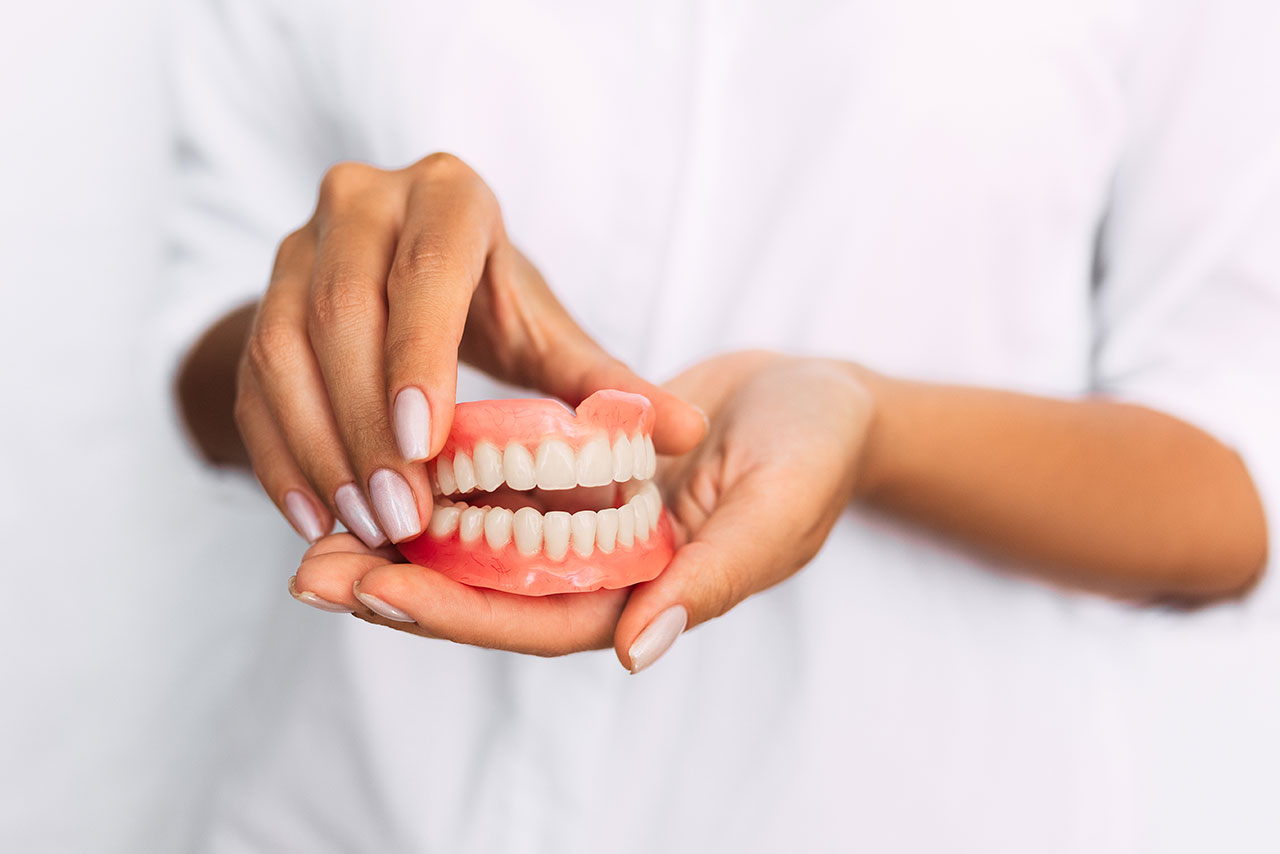
Replacing an entire set of teeth is a major decision, but it does not have…

Implant Supported Dentures In Coral Springs: More Stability For Everyday Life
Traditional dentures can restore a smile, but some patients eventually wish they had more stability while eating and speaking. If a denture moves, lifts, or feels less secure than it once did, there is another option worth exploring. Implant Supported Dentures combine the broad coverage of dentures with the stability provided by dental implants. For many patients, this approach can make everyday activities feel easier and more natural.
Implant Supported Dentures are designed for people who have lost many or all of their teeth and want a more secure replacement. Rather than relying only on the gums for support, the denture attaches to dental implants positioned in the jaw. This can reduce movement and improve stability while chewing and speaking. For patients in Coral Springs who are frustrated with loose traditional dentures, Implant Supported Dentures can provide an important alternative.
What Are Implant Supported Dentures?
Implant Supported Dentures are a type of removable or fixed tooth replacement that uses dental implants as anchors. Instead of resting entirely on the gums, the denture connects to implants that are placed in the jawbone.
The implants act as stable attachment points. Depending on the treatment plan, a denture may snap onto small attachments or connect to a bar or other support system. The exact design depends on the patient’s anatomy, number of implants, type of denture, and treatment goals.
This approach is different from a traditional denture because the implants provide additional stability. That difference can be especially noticeable when eating, speaking, laughing, or moving the jaw.
Why Traditional Dentures Can Become Less Stable
Dentures rely on the shape of the gums and jawbone for much of their support. Unfortunately, the jawbone naturally changes after teeth are lost. Over time, the ridge beneath a denture can become narrower or flatter, which may affect how securely the denture fits.
Changes in weight, facial tissues, and oral anatomy can also influence denture fit. A denture that once felt secure may eventually begin to move more than it did when it was new.
Implant Supported Dentures address part of this challenge by adding anchors within the jaw. Instead of depending entirely on the gum ridge, the denture gains support from implants. This can make a major difference for patients who have struggled with movement.
How Implant Supported Dentures Work
The process begins with a comprehensive evaluation. Your dentist will assess the gums, jawbone, bite, existing dentures if applicable, and overall oral health. Imaging may be used to determine bone volume and identify appropriate implant positions.
If the bone is adequate, implants can be placed in carefully selected areas of the jaw. After the implants heal and become stable, the attachments needed to connect the denture are added. The denture is then designed or modified to work with those attachments.
In some cases, existing dentures may be modified for implant support. In other situations, a new denture is created for the best possible fit. The goal is to produce Implant Supported Dentures that feel stable while also providing a comfortable bite and natural appearance.
Who May Benefit From Implant Supported Dentures?
Implant Supported Dentures may be considered by patients who are missing many or all of their teeth and want more stability than traditional dentures provide. They may also be useful for patients who experience repeated denture movement, difficulty chewing, or discomfort caused by an unstable appliance.
Patients considering Implant Supported Dentures should have enough bone to support the implants or be willing to consider procedures that may improve the available bone. Gum health and overall health are also important factors.
A consultation is the best way to determine whether this treatment fits your situation. Every patient has different anatomy, expectations, and needs, so there is no single implant configuration that works for everyone.
Eating With Implant Supported Dentures
One of the biggest reasons patients explore Implant Supported Dentures is chewing stability. Traditional dentures can sometimes shift when biting into foods that require more pressure. That movement can make certain meals frustrating or uncomfortable.
Implant support can provide a more secure foundation. Because the denture is anchored to implants, it is less likely to move during normal chewing. This does not mean patients can immediately eat every food without adjustment. It can take time to become comfortable with a new appliance, and very hard or sticky foods may still need to be approached carefully.
Over time, however, many patients appreciate the increased stability that Implant Supported Dentures can provide during meals.
Speaking With Implant Supported Dentures
Speech can also be affected when a denture moves. The tongue and lips rely on stable surfaces to produce certain sounds. If the denture shifts while talking, patients may feel that speech takes more effort.
Because Implant Supported Dentures are anchored more securely, many patients find that speaking feels more predictable. There may still be an adjustment period as the mouth adapts to the new appliance, but improved stability can make everyday conversations easier.
Implant Supported Dentures And Facial Support
Tooth loss can affect more than chewing. The jawbone naturally changes after teeth are lost, and that change can affect the shape and support of the lower face. Replacing missing teeth can help restore some of the support that was lost.
Implant Supported Dentures combine tooth replacement with implants placed in the jawbone. While they cannot completely stop all changes associated with aging or tooth loss, they provide a more structured approach to replacing missing teeth and supporting the denture.
Removable Versus Fixed Implant Supported Dentures
Not all Implant Supported Dentures are designed the same way. Some are removable by the patient for daily cleaning. These dentures attach securely during the day but can be taken out when needed.
Other implant-supported restorations may be designed to remain in place and be removed only by a dental professional. The right approach depends on the number and position of implants, available bone, oral hygiene needs, and the type of restoration being planned.
During a consultation, your dentist can explain which design is most appropriate and why. The important point is that implant-supported treatment can be customized rather than treated as a one-size-fits-all solution.
Benefits of Implant Supported Dentures
- Provides greater denture stability than traditional gum-supported dentures
- Can reduce unwanted movement during chewing and speaking
- May improve chewing comfort and confidence
- Can provide a more secure fit during everyday activities
- Can reduce reliance on denture adhesives in appropriate cases
- May improve speech by providing a more stable oral appliance
- Can support a more natural-feeling tooth replacement experience
- Allows treatment to be customized around individual anatomy and goals
- Can provide an option for patients who are dissatisfied with loose traditional dentures
- Combines the broad tooth replacement of dentures with implant stability
Caring For Implant Supported Dentures
Good maintenance is essential for the long-term success of Implant Supported Dentures. Removable dentures should be cleaned daily according to the instructions provided. The gums, tongue, and remaining oral tissues should also be cleaned to reduce bacteria and maintain comfort.
The areas around the implants require careful attention as well. Your dental team can demonstrate how to clean around attachments and under the denture. Professional checkups are important because your dentist can evaluate the implants, surrounding tissues, bite, and fit of the restoration.
Over time, the shape of the mouth can change. Even well-designed Implant Supported Dentures may require adjustments, maintenance, or replacement components. Regular visits help identify these changes before they become major sources of discomfort.
What To Expect During The Adjustment Period
Patients should expect a short adaptation period when receiving new Implant Supported Dentures. The tongue and cheeks need time to become familiar with the appliance. Eating may feel different at first, and speaking may require practice.
Starting with softer foods and smaller bites can help. Reading aloud can also help the tongue adjust to changes in tooth position and shape. As the mouth adapts, many of these early sensations become less noticeable.
Questions To Ask About Implant Supported Dentures
If you are considering Implant Supported Dentures, ask how many implants may be recommended, whether your current denture can be used, what type of attachment system is appropriate, and how long the overall process may take. You can also ask about maintenance, cleaning, expected adjustments, and replacement options.
It is helpful to discuss your daily priorities as well. If chewing certain foods is difficult, mention it. If your denture moves when you speak, explain when it happens. These details help your dental team design Implant Supported Dentures around the problems you actually want to solve.
A More Secure Approach To Tooth Replacement
Traditional dentures can restore a great deal, but some patients need more stability than a gum-supported appliance can provide. Implant Supported Dentures offer another approach by connecting the denture to implants placed within the jaw. The result can be a more secure, comfortable, and predictable experience for everyday eating and speaking.
If you are considering Implant Supported Dentures in Coral Springs, Pine Ridge Dental on Wiles can evaluate your oral health and discuss whether implant-supported treatment is appropriate for you. Visit 9132 Wiles Rd, Coral Springs, FL 33065, or call (954) 906-3337 to Schedule a Consultation and explore a more stable approach to replacing missing teeth.

Related Posts