Traditional dentures can restore a smile, but some patients eventually wish they had more stability…

Full Dentures In Coral Springs: What To Know When You Are Replacing An Entire Smile
Replacing an entire set of teeth is a major decision, but it does not have to mean giving up on comfortable meals, clear speech, or a natural-looking smile. Full Dentures have helped generations of patients restore everyday oral function after extensive tooth loss. Modern dentures are designed with comfort, appearance, fit, and function in mind, giving patients a practical way to replace missing teeth.
Full Dentures may be considered when all of the natural teeth in an upper or lower arch are missing or need to be removed because they cannot be restored predictably. For patients in Coral Springs, understanding the denture process can make a major decision feel much more manageable. From the first examination through adjustments and daily care, the goal is to create a replacement that supports your everyday life.
What Are Full Dentures?
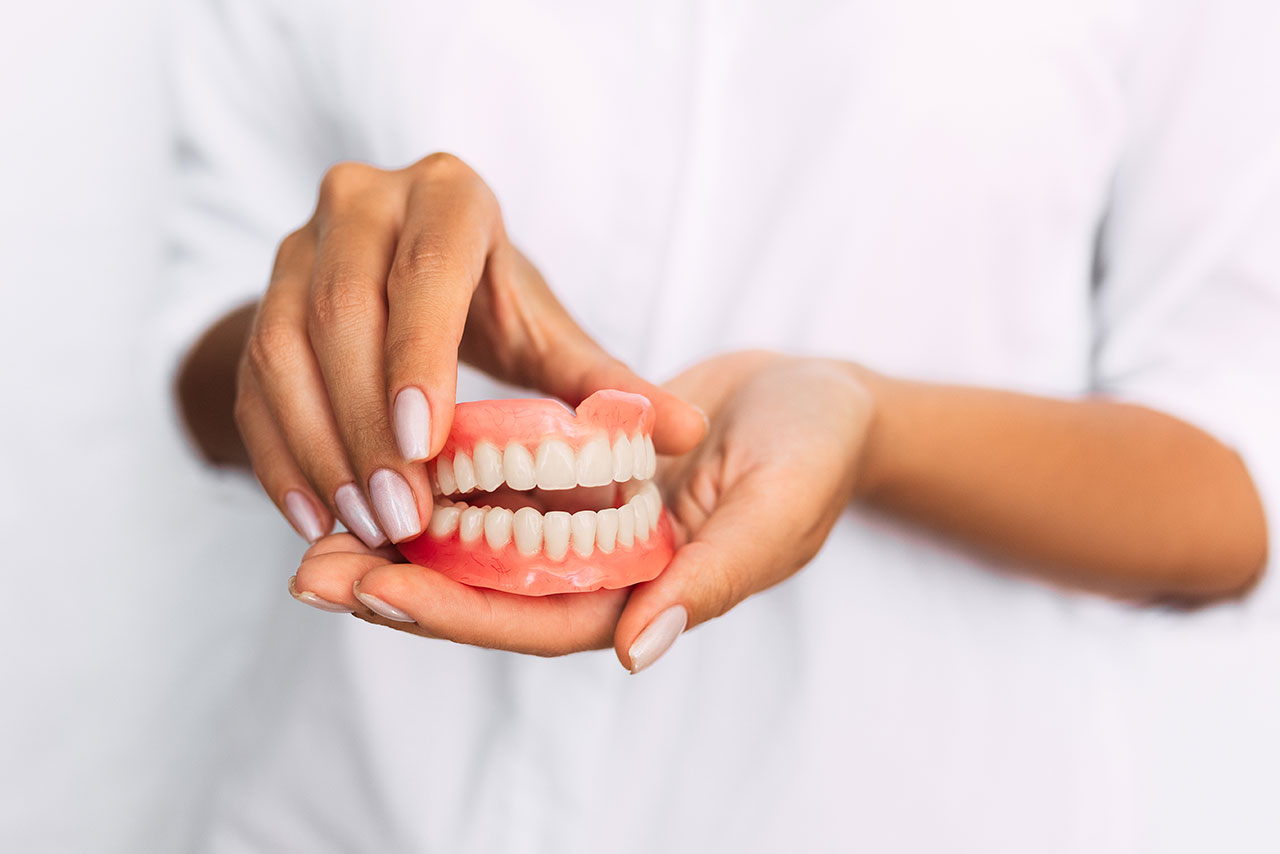
Full Dentures are removable dental appliances designed to replace a complete set of teeth on either the upper or lower arch. They include artificial teeth attached to a base that is designed to resemble natural gum tissue.
Upper and lower dentures are held in place differently. Upper dentures generally gain support from the shape of the palate and surrounding oral tissues. Lower dentures rest on the gum ridge and rely on the shape of the mouth, surrounding muscles, and proper fit for stability.
The design of Full Dentures is customized to the patient. Tooth size, shape, shade, bite, facial proportions, and other factors can all influence the final appearance.
When Full Dentures May Be Recommended
Full Dentures may be recommended when a patient has lost all of the teeth in one arch or when the remaining teeth are too damaged to provide a healthy and reliable foundation.
Severe decay, advanced gum disease, significant trauma, and extensive tooth damage can all contribute to tooth loss. Whenever possible, dentists generally look for ways to preserve healthy natural teeth. However, when teeth cannot be restored predictably, replacing them with a complete prosthesis may provide a more functional long-term plan.
The decision should be based on a thorough evaluation. The goal is not simply to remove teeth and provide dentures. The goal is to create a complete treatment plan that addresses oral health, function, appearance, and future maintenance.
The Process Of Getting Full Dentures
The process begins with an examination and treatment planning. If teeth remain and need to be removed, the timing of extraction and denture placement will depend on the patient’s circumstances.
Measurements, impressions, or digital information may be collected to help create a denture that fits the shape of the mouth. The dental team will also discuss the desired appearance of the artificial teeth, including their size, shape, and shade.
Depending on the treatment plan, temporary or immediate dentures may be considered when teeth need to be removed. These allow patients to have a tooth replacement during the healing period. Because the gums and jaw change as they heal, adjustments may be needed along the way.
Why Denture Fit Matters
A denture should feel secure enough to support normal daily activities while remaining comfortable. Fit matters because the gums and underlying bone provide much of the foundation for traditional Full Dentures.
After tooth loss, the jawbone naturally changes. As the shape of the ridge changes, a denture that once fit well may eventually become less stable. This does not necessarily mean the denture was poorly made. It means the mouth itself has changed.
Regular dental visits allow the fit to be monitored. Adjustments, relining, or replacement may be recommended when necessary.
Eating With Full Dentures
Eating with new Full Dentures can require an adjustment period. The mouth needs time to become familiar with the appliance, and patients often benefit from starting with softer foods and smaller bites.
As comfort improves, patients can gradually return to a broader range of foods. It may still be helpful to cut very firm foods into smaller pieces and distribute chewing evenly.
Patients should also understand that dentures do not provide exactly the same chewing experience as natural teeth. The goal is to restore useful function and comfort while providing a practical replacement for missing teeth.
Speaking With Full Dentures
Speech may sound slightly different when a person first receives Full Dentures. The tongue and lips need time to adjust to the new shape and position of the artificial teeth.
Most patients adapt with practice. Reading aloud can be useful because it gives the tongue an opportunity to become familiar with the new appliance. Speaking slowly and clearly during the first few days can also help.
If a denture continues to interfere with speech after the initial adjustment period, tell your dentist. Small changes in fit or shape may improve comfort and function.
How Full Dentures Restore Appearance
Tooth loss can change the support provided to the lips and cheeks. Replacing missing teeth can help restore some of that support and create a more balanced appearance.
Full Dentures can be designed with natural-looking tooth shapes and shades. The goal is not to make every artificial tooth look identical. Instead, the teeth can be selected and arranged to complement the patient’s facial features and overall appearance.
A natural-looking result depends on careful planning. Tooth position, gum color, bite, and facial proportions all influence how the final denture looks.
Benefits of Full Dentures
- Replace an entire arch of missing teeth
- Restore important chewing function
- Support clearer speech after an adjustment period
- Restore the appearance of a complete smile
- Provide support for the lips and cheeks
- Offer a removable tooth replacement option
- Can be customized to match facial proportions and cosmetic preferences
- May improve daily comfort compared with living without teeth
- Can provide a practical solution after extensive tooth loss
- Can be maintained and adjusted as the mouth changes over time
Taking Care Of Full Dentures
Daily cleaning is an important part of maintaining Full Dentures. Dentures should be cleaned according to the instructions provided by your dental team. The gums, tongue, and other oral tissues should also be cleaned regularly.
Patients should avoid using hot water on dentures because excessive heat can affect the shape of the appliance. When dentures are not being worn, follow the storage instructions provided by your dental office.
It is also important to continue dental visits even when all natural teeth have been replaced. Your dentist can evaluate the gums, oral tissues, bite, denture fit, and overall oral health.
Why Dentures May Need Adjustments
New Full Dentures may require adjustments as you become accustomed to them. A small area of pressure or irritation can sometimes be corrected by making a minor change to the appliance.
Over the years, additional adjustments may become necessary because the jawbone and gum tissues naturally change after tooth loss. A denture that becomes loose or uncomfortable should not simply be ignored. A professional evaluation can determine whether an adjustment, reline, or replacement is appropriate.
Full Dentures And Other Tooth Replacement Options
Full Dentures are one option for complete tooth replacement. Some patients may also qualify for implant-supported dentures or other implant-based solutions. These approaches use implants to provide additional support and can offer greater stability than traditional removable dentures.
The right option depends on bone levels, oral health, medical considerations, personal preferences, treatment goals, and budget. Some patients prefer the simplicity of removable dentures, while others may want the added stability of implant support.
A personalized consultation allows these options to be discussed without assuming that one solution is right for everyone.
Adjusting To Life With Full Dentures
Patience is important during the first few weeks. Eating, speaking, and placing the denture correctly may take practice. It is normal for the mouth to need time to adapt.
Most patients become more comfortable as they use the appliance consistently. If something feels persistently uncomfortable, however, do not simply assume you need to live with it. Denture adjustments are a normal part of care and can make a meaningful difference.
Questions To Ask Before Choosing Full Dentures
Before treatment, ask how the dentures will be made, what the expected timeline is, whether immediate dentures are appropriate, how adjustments will work, and what maintenance will be required. You can also discuss the expected appearance and how the replacement teeth will be selected.
It is helpful to discuss your lifestyle as well. If you enjoy certain foods, travel frequently, speak publicly, or have specific comfort concerns, mention them. These details can help guide the design and treatment plan for your Full Dentures.
A Practical Path Toward A Complete Smile
Extensive tooth loss can affect eating, speaking, and everyday routines, but there are dependable ways to restore function. Full Dentures provide a removable solution that can replace an entire arch of missing teeth while restoring the appearance and usefulness of the smile.
If you are considering Full Dentures in Coral Springs, Pine Ridge Dental on Wiles can evaluate your oral health and explain the available options. Visit 9132 Wiles Rd, Coral Springs, FL 33065, or call (954) 906-3337 to Book an Appointment and discuss a personalized plan for restoring your smile.

Related Posts