Consider how a well-fit pair of running shoes changes your day—suddenly every step feels easier.…
Implant Supported Dentures: Finally, Dentures That Don’t Move
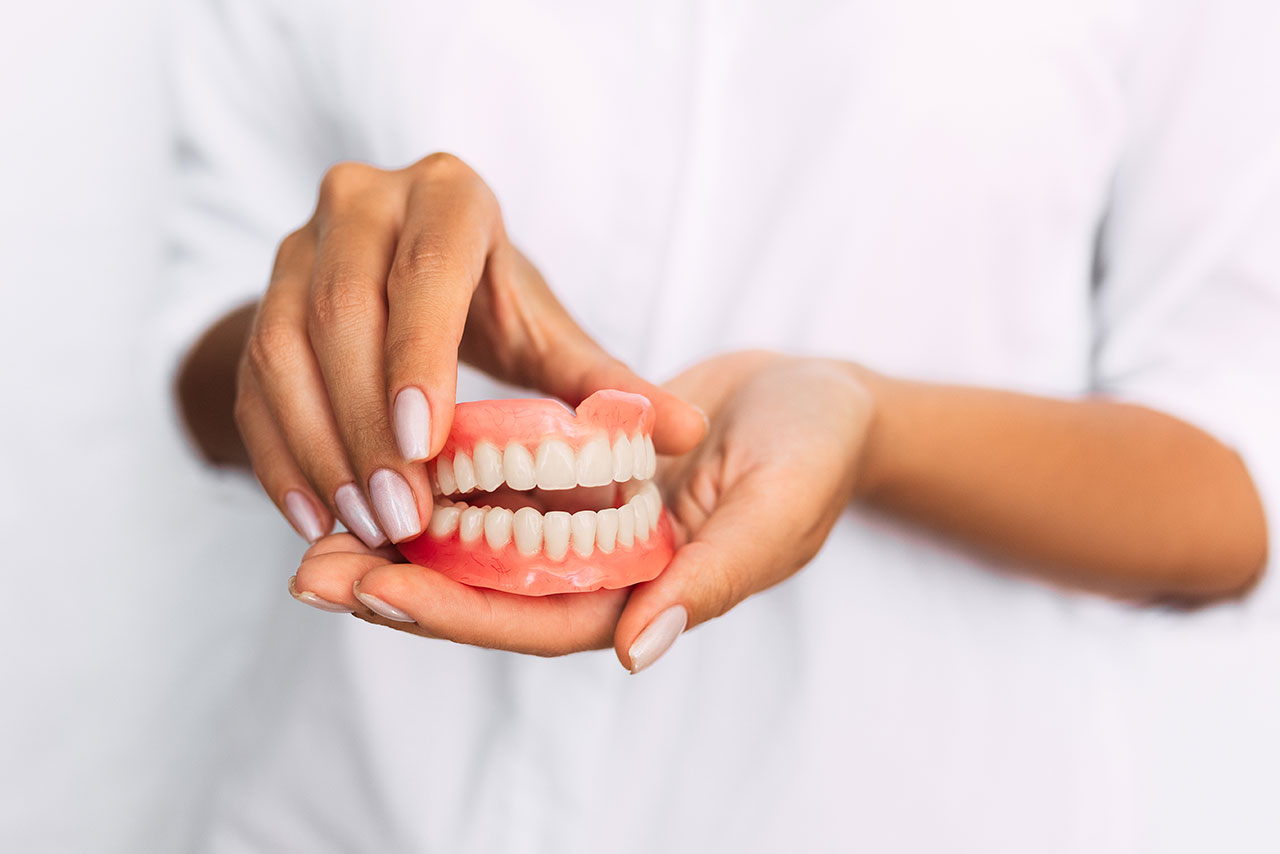
If your dentures slip, click, or hold your menu hostage, here’s a question worth asking: what would everyday life feel like if your teeth simply stayed put? Implant supported dentures bring that reality within reach. By anchoring your denture to a few small dental implants, you get stability for chewing, clearer speech, and confidence that doesn’t quit—without the bulk or wobble many people associate with traditional plates.
What are implant supported dentures? (Quick, clear definition)
Implant supported dentures combine the simplicity of a denture with the stability of implants. A few small implants—often two to four in the lower jaw and four to six in the upper—are placed in the bone. Your denture then attaches to them in one of two main ways:
- Removable overdentures (“snap-in”): The denture clicks onto the implants using low-profile attachments (like locator buttons or a bar). You remove it to clean, then snap it back in for the day.
- Fixed full-arch bridges: Sometimes called “All-on-X,” these are secured to the implants with tiny screws and are not removed at home. They feel the most like natural teeth and are cleaned with special floss and brushes.
Both versions are implant supported dentures—the right choice depends on your goals, anatomy, and budget.
Why the lower jaw needs help first
Traditional lower dentures are notorious for moving. The tongue, cheeks, and floor of the mouth make it hard for a lower denture to stay put. That’s why even two implants in the lower jaw can be life-changing: the denture finds its “home” and stops sliding. The upper jaw often needs more implants to overcome the natural suction of the palate and the softer upper bone.
The treatment timeline (step by step)
- Planning and imaging: We use 3-D scans to map bone, nerves, and sinuses and decide how many implants your implant supported dentures need.
- Implant placement: Implants are positioned in a short visit. Many people return to normal routines the next day.
- Healing and provisional teeth: During healing, you may wear a modified denture. If we place a fixed bridge, we’ll often use a provisional version while your gums settle.
- Attachment day: For overdentures, we add the snap-in connectors and tune the retention. For fixed bridges, we fasten the final bridge and fine-tune your bite.
- Maintenance visits: We’ll see you for periodic checks to replace worn inserts (for snap-ins) or to clean and check screws (for fixed).
Eating, speaking, and smiling with stability
With implant supported dentures, everyday tasks get easier—and fast. Chewing becomes more efficient because your denture doesn’t rock. You can talk and laugh without worrying about movement or adhesives. Many patients notice they can enjoy a wider menu, from salads and fruit to lean meats—foods that used to be frustrating with a loose plate.
How many implants do I need?
- Lower overdenture: Two implants are the minimum for a meaningful boost in stability; four improve support and reduce denture movement even more.
- Upper overdenture: Typically four implants, sometimes more, depending on bone quality. Using implants can also allow a palate-free design for better taste and temperature sensation.
- Fixed full-arch bridge: Usually four to six implants per arch, depending on bone and the length of the bridge.
We’ll match the number to your anatomy and goals so you get the most benefit for every implant placed.
Overdenture vs. fixed bridge—how to choose
- Overdenture (removable): Easier cleaning, simpler maintenance, lower cost. You’ll remove it nightly and snap it in each morning. Insert “liners” (retention rings) are replaceable over time.
- Fixed bridge (non-removable at home): Feels closest to natural teeth and stays in 24/7. Maintenance visits are a bit more involved, but daily life is as simple as brush-floss-smile.
Both are implant supported dentures, and both are far more stable than a traditional plate. Choice often comes down to budget, hygiene preferences, and whether you want the option to take your teeth out for cleaning.
Common questions
- Will the surgery be painful? You’ll be thoroughly numbed. Most people describe post-op soreness as “tender,” managed with over-the-counter relief.
- What if I’ve had dentures for years? Bone can shrink over time, but planning around the strongest areas—and using grafting when helpful—makes implant supported dentures possible for many long-time denture wearers.
- Do they look natural? Yes. We customize tooth shape and shade and design the gum areas to blend with your smile and face.
Daily care that keeps everything running smoothly
- Overdentures: Brush the denture and attachments daily. Soak the denture in a cleanser at night while you sleep. We’ll replace the tiny retention inserts when they loosen (it’s quick and inexpensive).
- Fixed bridges: Use a water flosser, super-floss, or interdental brushes to clean under the bridge. A nightguard can protect your implants if you clench.
And no matter which you choose, keep routine cleanings and checks. Maintenance is the secret to long-term success with implant supported dentures.
Benefits of implant supported dentures (supported by professional sources)
- Major stability and satisfaction gains: Systematic reviews conclude that two-implant mandibular overdentures provide significantly better retention and patient satisfaction than conventional dentures (Cochrane Oral Health; specialty prosthodontic literature).
- Improved chewing efficiency: Studies show that implant supported dentures enhance bite force and chewing compared with traditional plates, with positive impacts on diet and comfort (American College of Prosthodontists summaries and clinical studies).
- Predictable maintenance: Replaceable attachment inserts and scheduled hygiene visits help implant supported dentures stay comfortable for years (guidance from implant manufacturers and professional organizations).
Sources: Cochrane Oral Health; American College of Prosthodontists (ACP); professional maintenance guidance.
Who’s a good candidate (and who needs extra planning)
Most adults who are healthy enough for routine dental care can consider implant supported dentures. A few factors raise success even higher:
- Healthy gums: We’ll treat any gum disease first so the tissue around the implants stays stable.
- Adequate bone: 3-D scans show whether you have enough bone volume. If not, grafting or angled implant strategies can help.
- Tobacco-free healing: Smoking raises the risk of slower healing; taking a tobacco break during recovery is a big win.
- Good home care: Brushing, soaking (for overdentures), and routine cleanings keep inflammation low around implants.
If you take blood thinners or manage conditions like diabetes, we’ll coordinate with your physician so everything is safe and timed well.
Adhesives, be gone: why stability matters beyond convenience
When dentures slip, you chew on a moving platform. That’s tiring for your jaw joints and frustrating for your diet. Many people shift to softer, more processed foods and eat less fiber and protein. With implant supported dentures, stability returns—and with it, a wider, healthier menu. Crunchy veggies, lean meats, and whole grains become realistic again. That’s not just comfort; that’s nutrition, energy, and social ease.
Cost, insurance, and value over time
Yes, implant supported dentures cost more than conventional plates upfront. But they also deliver value: fewer sore spots, fewer emergency adjustments, fewer tubes of adhesive, and a lot more function. Insurance may contribute to parts of care (like the denture itself). We’ll map out a clear estimate and flexible payment plan options so you can choose what fits.
What could go wrong (and how we prevent it)
Long-term issues are uncommon with good planning and maintenance, but here’s what we watch for:
- Wear of attachment inserts: Over time, snap-in “liners” loosen; we replace them quickly in the chair.
- Sore spots: Early on, tiny pressure spots can happen. A simple adjustment solves them.
- Peri-implant inflammation: Just like natural gums, tissue around implants can get puffy if plaque is left behind. Great home care plus professional cleanings keep the tissue healthy.
- Fracture of a denture tooth or acrylic: It’s repairable. We’ll strengthen high-stress areas or consider a reinforcement bar if needed.
Our goal is simple: catch small things early, so they never become big things.
Can I get teeth the same day?
Sometimes, yes. In select cases we can place implants and attach a provisional denture or bridge the same day (often called “immediate load”). It depends on bone quality and how stable the implants are at placement. Even with same-day teeth, you’ll still need a healing period before the final, polished version is made—think of it like moving from a sturdy prototype to the finished set.
Speech, taste, and palates—little details that feel big
Many upper dentures cover the palate, which can muffle taste and change certain sounds. With enough implants, implant supported dentures can be made with an open-palate design. That means more of your natural taste, better temperature sense, and speech that feels familiar again.
The Coral Springs roadmap: from consult to confident bite
At Pine Ridge Dental on Wiles, your implant supported dentures plan is mapped out with comfort and clarity in mind:
- A conversation about your goals—foods you miss, frustrations you want to fix.
- A scan to check bone and plan implant positions (no guesswork).
- A clear timeline with costs and options side by side.
- Guided appointments with plenty of check-ins as you adapt.
A little planning turns into a big payoff: teeth that stay put when life happens.
The bottom line you can feel
You don’t need to settle for teeth that boss you around. With implant supported dentures, meals get more enjoyable, conversations feel effortless, and your schedule stops revolving around adhesive and sore-spot fixes. It’s a steady, proven path to comfort.
Ready to stop fighting with your dentures? Call Pine Ridge Dental on Wiles at (954) 906-3337 or visit us at 9132 Wiles Rd, Coral Springs, FL 33065 to schedule a consultation and see whether implant supported dentures are the upgrade your smile has been waiting for.

Related Posts