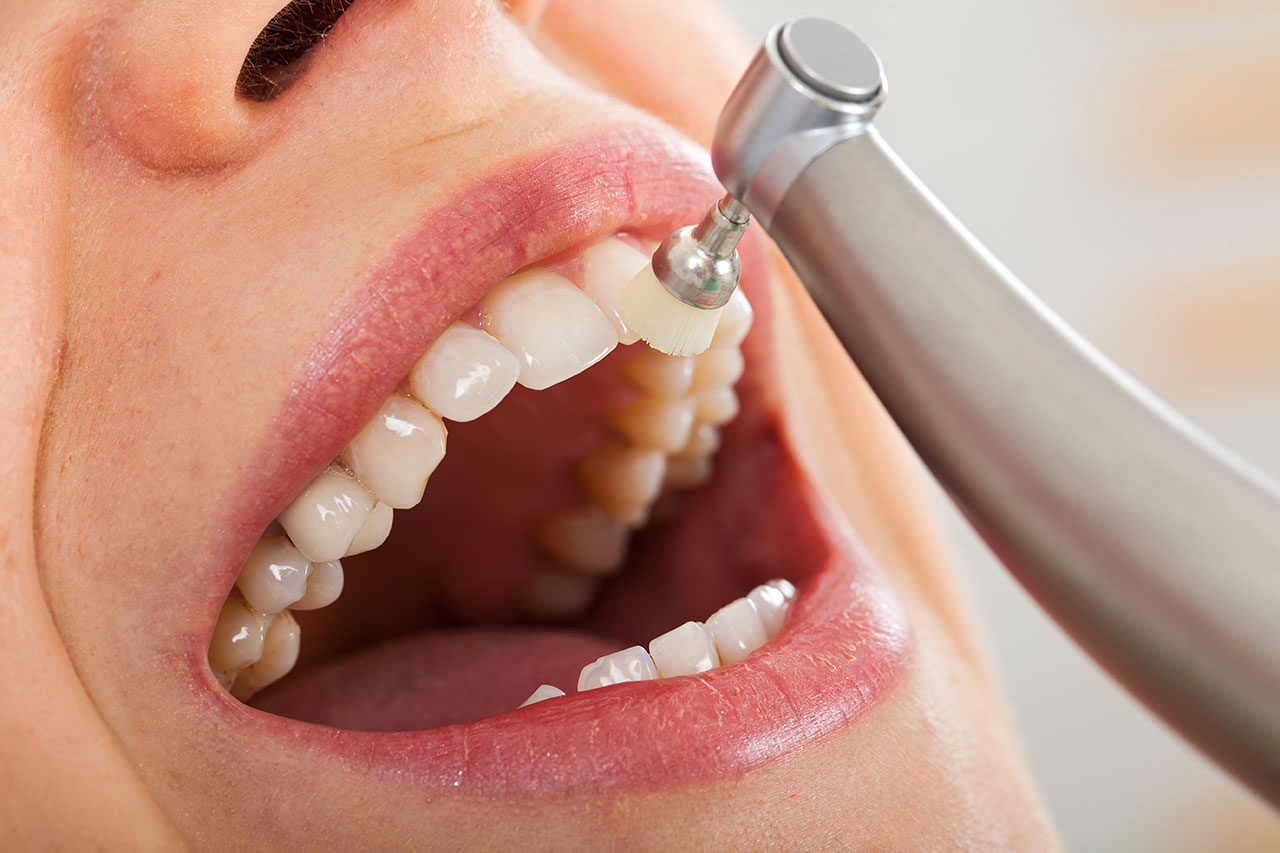
Regular dental checkups are about more than just avoiding cavities. Professional Teeth Cleaning removes plaque…
Professional Teeth Whitening In Coral Springs: What To Know Before Brightening Your Smile
A smile can gradually become darker without you realizing how much its shade has changed. Coffee, tea, certain foods, aging, and everyday exposure can all contribute to stains over time. When brushing alone does not bring back the brightness you want, professional Teeth Whitening can provide a more controlled way to refresh the appearance of your smile.
Teeth Whitening is one of the most popular cosmetic dental treatments because it focuses on one simple goal, making natural teeth look brighter. While whitening is not a replacement for good oral hygiene, it can complement routine dental care and provide noticeable cosmetic improvement for many patients. For Coral Springs patients considering professional whitening, knowing what affects tooth color and what results are realistic can help set the right expectations.
Why Teeth Become Discolored
Tooth color can change for many reasons. Some stains develop on the outside of the teeth, while others are associated with changes within the tooth structure.
Coffee, tea, red wine, tobacco, and strongly colored foods can contribute to surface staining. As people age, enamel can also become thinner, allowing the naturally darker dentin beneath it to become more noticeable.
Certain medications, dental injuries, and developmental factors can also affect the color of individual teeth. Because discoloration can have different causes, a dental evaluation is helpful before beginning Teeth Whitening.
How Professional Teeth Whitening Works
Professional Teeth Whitening uses whitening materials designed to lighten the natural color of teeth. The active ingredients work on certain types of discoloration and can produce a brighter appearance when used appropriately.
Professional treatment is different from simply brushing harder or using an abrasive product. Whitening is designed to change the color of the tooth rather than simply removing surface buildup.
The exact treatment method depends on the patient’s needs and the whitening system being used. Your dentist can explain how the process works and what type of result is reasonable based on your current tooth shade.
Why A Dental Exam Comes Before Whitening
Before Teeth Whitening, it is important to determine whether your teeth and gums are healthy enough for cosmetic treatment.
Cavities, cracked teeth, gum inflammation, or other dental problems may need attention first. Whitening a tooth that has an untreated problem can lead to unnecessary sensitivity or fail to address the actual cause of discoloration.
A dental examination also helps identify restorations such as crowns, fillings, veneers, and bonding. Whitening products affect natural enamel differently from restorative materials. If you have visible restorations, your dentist can explain how whitening may affect the overall appearance of your smile.
Professional Teeth Whitening Versus Store-Bought Products
There are many whitening products available without a prescription. These include toothpastes, strips, gels, and other products. While some can help with surface stains or provide modest whitening, professional Teeth Whitening offers a more individualized approach.
A dental professional can evaluate your starting shade, identify dental conditions that may affect treatment, and recommend a whitening approach suited to your needs.
Professional treatment may also provide more noticeable results in a shorter period, depending on the method used. However, the best option depends on the individual patient rather than assuming one whitening method works for everyone.
What Happens During A Whitening Appointment?
The process begins with an evaluation of your teeth and gums. Your dental professional will discuss your desired level of brightness and examine your current tooth color.
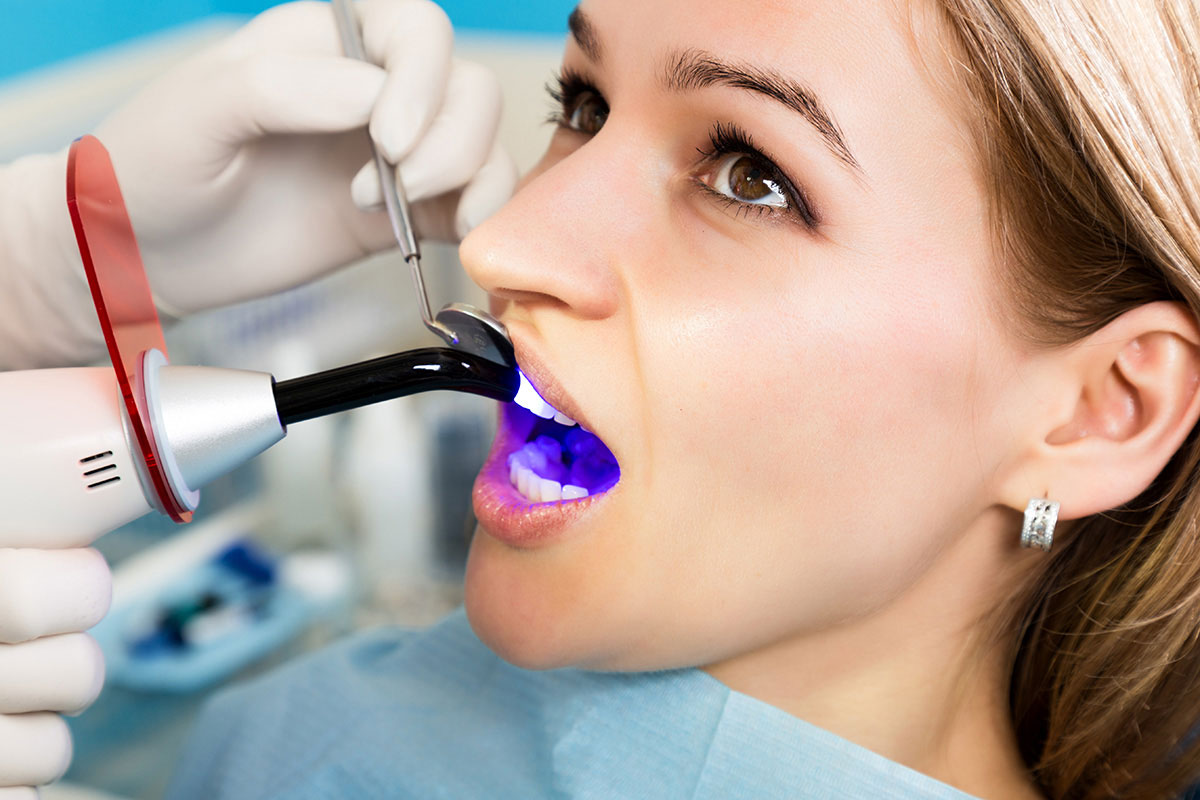
If professional whitening is appropriate, the teeth are prepared for treatment. The whitening material is then applied according to the specific system being used.
Throughout the process, the dental team focuses on protecting the surrounding tissues and following the manufacturer’s treatment guidelines. The exact length of the appointment varies depending on the whitening system and the desired result.
Tooth Sensitivity And Teeth Whitening
Temporary tooth sensitivity is one of the most common concerns associated with Teeth Whitening. Some patients notice sensitivity to cold air, beverages, or foods during or shortly after treatment.
Not everyone experiences sensitivity, and the intensity can vary. Your dentist can discuss strategies for reducing discomfort based on your dental history.
If you already have sensitive teeth, mention this before treatment. Your dental provider may recommend a different approach or address the cause of sensitivity first.
How Long Do Teeth Whitening Results Last?
Teeth Whitening is not permanent. Natural teeth can gradually become darker again because of diet, aging, oral habits, and other factors.
Patients who drink coffee, tea, or other dark beverages frequently may notice staining sooner. Tobacco use can also contribute to discoloration.
Good oral hygiene and regular professional cleanings can help maintain a brighter appearance. Depending on your needs, your dental provider may also discuss occasional touch-up treatment.
Teeth Whitening And Dental Restorations
One important consideration is that whitening primarily changes the color of natural teeth. Crowns, veneers, bridges, and composite fillings do not necessarily lighten in the same way as natural enamel.
This means whitening should be planned carefully when visible restorations are present. If a patient wants to replace a visible restoration after whitening, the final shade can be selected to complement the newly whitened natural teeth.
Planning the sequence of cosmetic treatments can help prevent noticeable shade differences.
Who May Be A Good Candidate For Teeth Whitening?
Adults with healthy teeth and gums who want to improve the color of their natural teeth may be good candidates for professional Teeth Whitening.
Patients with untreated cavities, active gum disease, significant sensitivity, or certain types of discoloration may need additional care first.
Deep discoloration within a tooth may not respond to traditional whitening in the same way as surface staining. In those cases, another cosmetic option may provide a more predictable result.
Benefits of Teeth Whitening
- Can brighten the appearance of natural teeth
- Can reduce the appearance of certain types of staining
- Provides a non-invasive cosmetic treatment option
- Can refresh the appearance of a smile without changing tooth shape
- Can be incorporated into a broader cosmetic dental plan
- Professional treatment can be tailored to the patient’s starting shade and goals
- May provide more noticeable results than routine brushing alone
- Can complement other cosmetic treatments when properly planned
- Allows dental professionals to evaluate oral health before whitening
- Can help maintain a brighter smile when combined with good home care
How To Maintain A Brighter Smile
After Teeth Whitening, everyday habits can affect how long the results remain noticeable. Brushing twice daily, cleaning between your teeth, and keeping regular dental appointments are important.
It can also help to limit frequent exposure to strongly staining foods and drinks. When you do enjoy coffee or tea, rinsing with water afterward can help reduce the amount of residue left on the teeth.
Professional cleanings can remove plaque and surface buildup that may make teeth appear dull. Whitening and preventive dental care work well together when the goal is a healthy-looking smile.
Questions To Ask Before Teeth Whitening
Before beginning treatment, ask what type of discoloration you have, how much whitening may be realistic, whether you have existing restorations, and what sensitivity you might experience.
You can also ask whether you need a cleaning or restorative treatment before whitening. These questions help make sure cosmetic treatment is performed on a healthy foundation.
Frequently Asked Questions About Teeth Whitening
Is Professional Teeth Whitening Safe?
Professional Teeth Whitening can be appropriate for many patients when performed according to professional guidance and treatment instructions. A dental evaluation helps identify conditions that may require attention first.
Will Teeth Whitening Make Crowns And Fillings Whiter?
Whitening primarily affects natural teeth. Existing crowns, fillings, veneers, and other restorations may not change color in the same way, so cosmetic treatment should be planned with restorations in mind.
How Long Do Teeth Whitening Results Last?
Results vary from person to person. Diet, oral habits, age, and exposure to staining substances can affect how long the teeth remain bright.
A Brighter Smile Starts With The Right Plan
Teeth Whitening can provide a straightforward way to refresh the appearance of natural teeth, but the best results begin with realistic expectations and a healthy foundation. A professional evaluation can help determine what type of whitening is appropriate and whether another cosmetic treatment would better address your specific concerns.
If you are considering professional Teeth Whitening in Coral Springs, Pine Ridge Dental on Wiles can help you explore your options. Visit 9132 Wiles Rd, Coral Springs, FL 33065, or call (954) 906-3337 to Schedule a Consultation and learn how professional whitening may brighten your smile.

Related Posts