A smile can gradually become darker without you realizing how much its shade has changed.…

Simple Habits, Strong Smile: Your Guide to Teeth Cleaning That Works
If your bathroom counter looks like a mini dental aisle—flossers, picks, fancy pastes—you’re not alone. The trick isn’t owning gear; it’s a teeth cleaning routine you’ll actually keep. Here’s a friendly plan that blends home care with professional help so your mouth stays calm and your checkups stay quick.
Build a morning and night rhythm
Consistency beats intensity. Aim for two minutes, twice a day. Use a soft-bristle brush angled at 45 degrees toward the gumline. Short, gentle strokes sweep away plaque where it hides. If you like gadgets, an electric brush can be a great coach—most buzz every 30 seconds so you cover all four sections. The goal of teeth cleaning at home is thorough, not forceful.
Toothpaste without the hype
A basic fluoride toothpaste is still the champ. Whitening versions are fine, but go easy on gritty formulas that can scratch enamel. If you get sensitivity after teeth cleaning, try a sensitivity paste and give it two weeks to kick in. Ask about prescription-strength fluoride if you have frequent cavities or dry mouth.
Flossing, reimagined
Don’t love string floss? Totally normal. Interdental brushes or a water flosser count as teeth cleaning between teeth, too. The key is daily contact with those tight spaces. If floss shreds, you probably have a rough edge—mention it at your visit so we can smooth the spot.
Food and drinks: small shifts, big results
Sipping sweet coffee or soda all afternoon gives bacteria a constant sugar drip. Try keeping treats with meals and make water your in-between drink. After citrus or sparkling water, rinse with plain water to neutralize acids before you brush. Simple swaps support your teeth cleaning efforts.
Professional cleanings: what actually happens
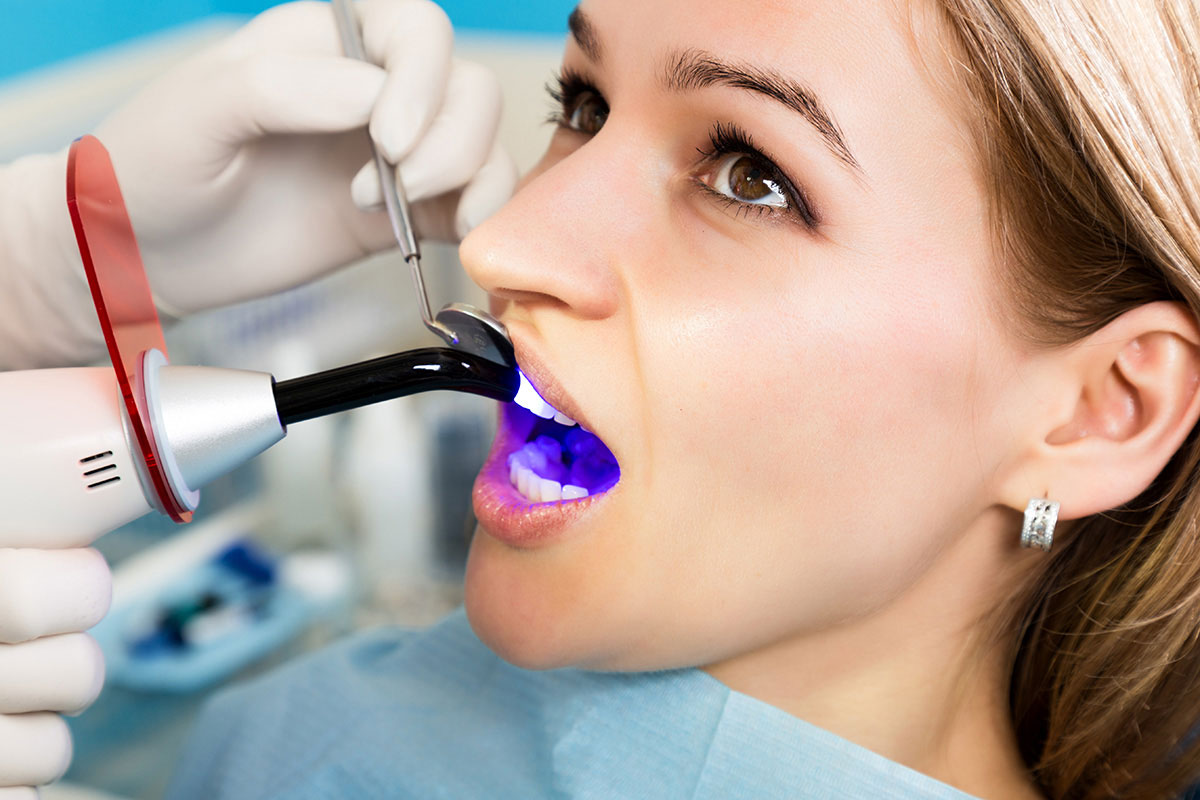
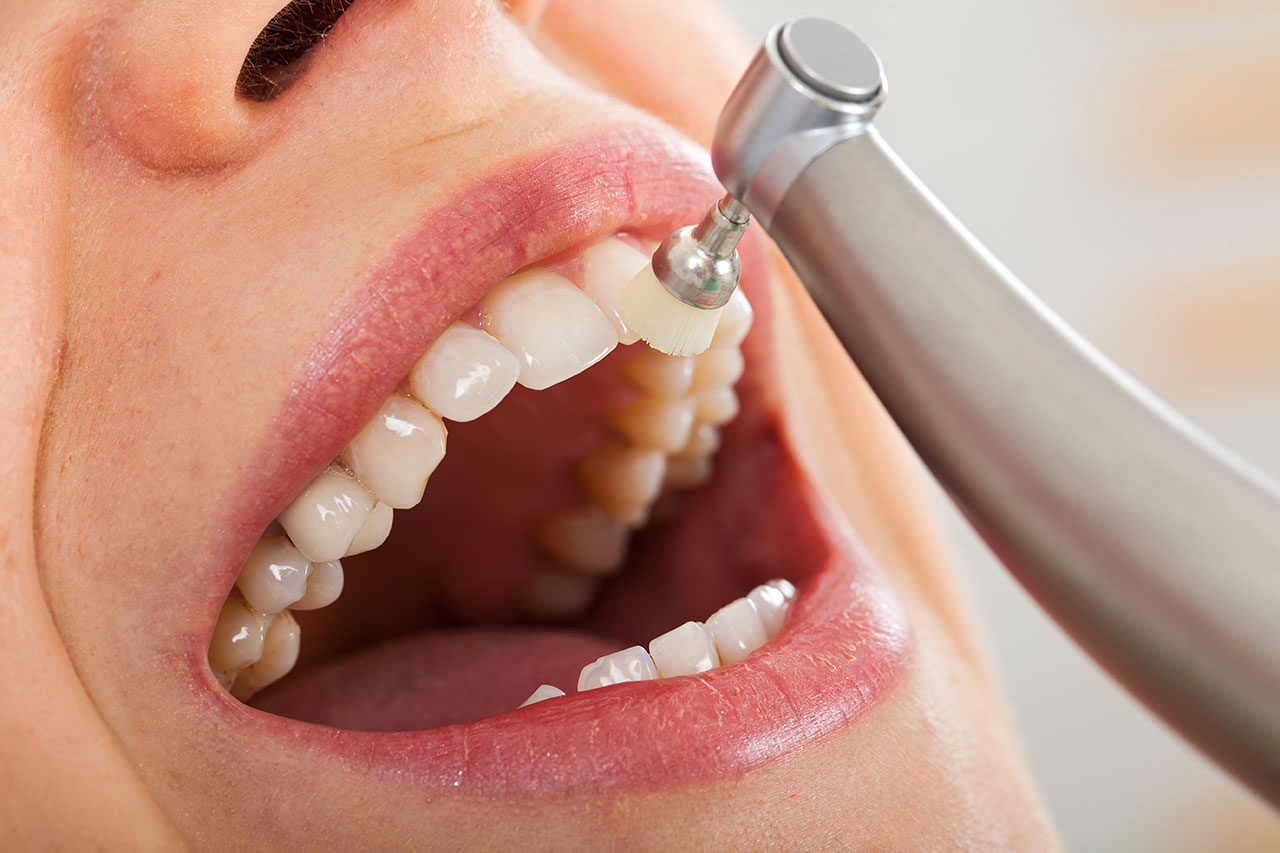
At your appointment, a hygienist removes tartar that toothbrushes can’t touch, polishes stain, and checks gum health with simple measurements. If deeper pockets are present, a focused cleaning (sometimes called scaling and root planing) may be recommended. Those visits are part of smart teeth cleaning when inflammation is active.
Timing: how often is “right”?
Every mouth is different. Most people do well with teeth cleaning visits every six months. If you have gum disease, diabetes, braces, or smoke, you may benefit from more frequent visits for a while. Risk-based schedules keep problems small and visits efficient.
Fresh breath without the mints
Bad breath usually comes from bacteria on the tongue and around the gums. Clean your tongue gently from back to front, especially at night, and don’t forget the back molars where plaque loves to camp out. Constant mints can bathe teeth in sugar—try sugar-free if you like something to freshen between teeth cleaning sessions.
Protection for grinders and sports fans
If you clench or grind, a custom nightguard shields enamel and reduces morning jaw soreness. For contact sports, a mouthguard protects more than teeth—it lowers the risk of lip and cheek injuries. Consider both as part of your larger teeth cleaning and prevention plan.
Benefits of consistent teeth cleaning (what experts emphasize)
- Fewer cavities and healthier gums: Regular professional cleanings plus daily brushing and interdental cleaning lower decay and gingivitis rates, according to summaries from the American Dental Association and CDC.
- Early detection: Routine teeth cleaning appointments help spot cracked fillings, enamel wear from reflux or grinding, and signs of dry mouth before they snowball, highlighted in ADA and NIDCR resources.
- Confidence and comfort: Cleaner teeth mean fresher breath, less bleeding, and easier brushing at home—benefits reinforced across dental health education materials.
Troubleshooting common roadblocks
Bleeding gums? Keep gently brushing and cleaning between teeth—bleeding usually improves within a week as inflammation calms. Sensitive areas? Use a softer brush, lighter pressure, and mention it at your visit; varnishes or desensitizing pastes can help. Busy schedule? Pair cleanings with other life anchors—back-to-school and mid-winter, for example.
Step-by-step brushing that actually hits the spots
Split the mouth into four areas: upper right, upper left, lower left, lower right. Spend 30 seconds on each. Brush the outside, inside, and chewing surfaces. Tip the bristles vertically to sweep the back of the front teeth where plaque clings. For teeth cleaning with an electric brush, let the head do the work—slowly guide it along the gumline without scrubbing.
Mouthwash: useful or extra?
Consider mouthwash a supporting actor. Alcohol-free fluoride rinses can help if you’re cavity-prone or wear braces. Antibacterial rinses can calm gum inflammation during intensive teeth cleaning phases. If your mouth feels dry, pick a rinse made for dry mouth and sip water more often.
Kids, teens, and braces
For kids, a fun timer or a song can keep brushing on track. Floss picks help small hands. Teens with braces need extra attention around brackets; a water flosser and small interdental brushes make teeth cleaning faster and more thorough. Sealants on new molars are a low-effort way to prevent grooves from trapping plaque.
Adults and seniors
Life gets busy, and teeth cleaning can slip. Put supplies where you’ll actually use them—keep a travel kit in your bag or desk. For seniors, watch for dry mouth from medications; it raises cavity risk along the gumline. A high-fluoride toothpaste and extra water can help. If arthritis makes flossing tough, try larger-handled brushes or powered flossers.
Myth-busting quick hits
- “My gums bleed, so I’ll brush less.” Actually, gentle, consistent cleaning is what stops the bleeding.
- “Hard bristles clean better.” Soft bristles clean best without scratching enamel or gums.
- “Whitening toothpaste replaces teeth cleaning.” It polishes stain; it doesn’t remove tartar or treat gum inflammation.
Put it all together for a calm, clean mouth
Design a routine that matches your life, not someone else’s. Pair brushing with habits you already have—after coffee, before bed, before you scroll at night. Keep it simple, keep it steady, and your next teeth cleaning appointment will feel easy.
Want a personalized teeth cleaning plan or overdue for a visit? Contact Pine Ridge Dental on Wiles at (954) 906-3337 in Coral Springs, FL to Schedule a Consultation.

Related Posts