Consider how a well-fit pair of running shoes changes your day—suddenly every step feels easier.…

Partial Dentures: A Simple, Secure Way to Fill the Gaps
What if you could replace missing teeth in a way that looks natural, restores your bite, and doesn’t require surgery or months of downtime? That’s the promise of partial dentures—custom, removable replacements that bring balance back to your smile. If you’ve been weighing your options, this guide breaks down how partial dentures work, who they’re best for, and how to keep them comfortable and secure day after day.
What are partial dentures, exactly?
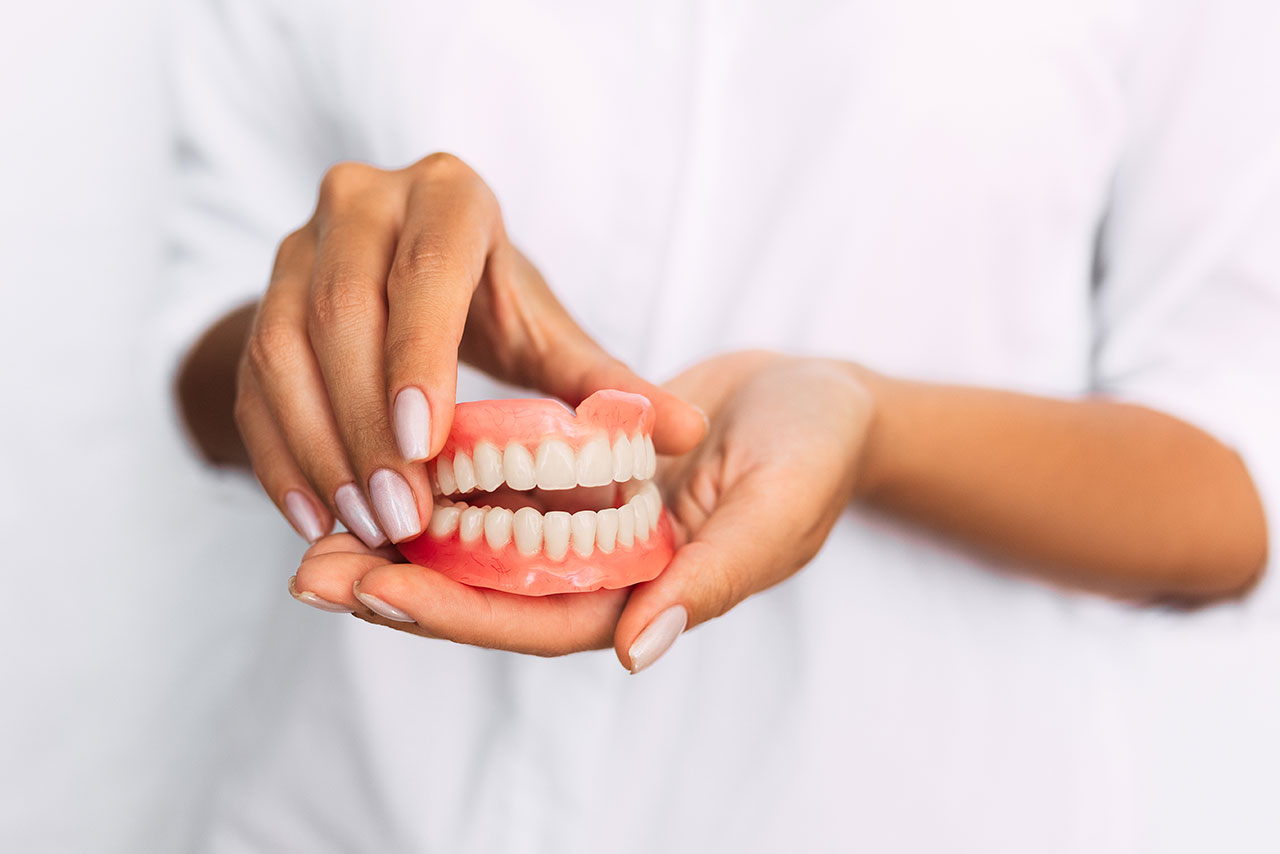
A partial denture (often just called a “partial”) is a custom appliance that replaces one or more missing teeth while the rest of your natural teeth stay in place. The base blends with your gums, the teeth are color-matched to your smile, and small clasps or connectors help the partial denture anchor to nearby teeth. You take it out for cleaning and sleep; you wear it during the day for eating, speaking, and smiling with confidence.
There are several styles of partial dentures, each designed for a different set of needs and priorities. Knowing the differences helps you choose wisely.
Types of partial dentures (and when each shines)
- Acrylic (interim) partial dentures: Affordable and quick to make, these are perfect when you need a short-term solution—say, while you heal from an extraction or plan for a dental implant. They’re slightly bulkier but easy to adjust.
- Cast metal partial dentures: Built on a slim, strong metal framework, these are the classic long-term partial dentures. They’re durable, thin, and stable, with clasps that can be hidden for a natural look.
- Flexible partial dentures: Made from a nylon-like material, these partial dentures are lightweight and have no metal clasps. Many people find them very comfortable; in some mouths, though, they can be trickier to adjust.
- Implant-assisted partial dentures: If a few small implants are placed, they can add “snap-in” stability to a partial denture. This can be especially helpful in areas where clasps aren’t ideal.
We’ll walk you through the pros and trade-offs of each style and match the design to your bite, your gum health, and the number of teeth being replaced.
Who’s a good candidate for partial dentures?
If you’re missing several teeth in the same arch but still have healthy teeth to support an appliance, partial dentures are a smart, conservative option. They’re great when you want to:
- Restore chewing on one or both sides.
- Keep the remaining teeth from drifting into open spaces.
- Improve speech sounds that rely on front teeth.
- Stay within a set budget or avoid surgery.
Healthy gums and stable anchor teeth matter. If those need care first—like cleanings, fillings, or gum therapy—we’ll handle that to set your partial denture up for success.
How partial dentures are made (and how long it takes)
The process is easy and very step-by-step:
- Consult and planning: We review your goals, check gum and tooth health, and decide on the best partial denture design.
- Digital scans or impressions: These give the lab an exact model of your bite, including the way your teeth meet.
- Try-in: Many partial dentures have a “try-in” visit to check the look and fit before the final version is completed.
- Delivery and adjustments: We place the partial denture, fine-tune pressure points, and show you how to take it in and out.
- Follow-up: Tiny tweaks make a big difference. A quick adjustment after a week or two is common as your mouth gets used to the new appliance.
From start to finish, most partial dentures are ready in a few weeks.
Eating and speaking with a new partial
Your mouth is adaptable, but it appreciates a gentle on-ramp. Cut food into smaller bites, chew slowly on both sides, and start with softer foods—eggs, pasta, cooked veggies, fish—before moving to crunchier items. For speech, practice reading aloud for 10 minutes a day for the first week. It’s a small habit that pays off quickly.
If the partial denture feels high in one area or pinches, that’s a sign you need a quick adjustment, not that the appliance is “wrong for you.” Don’t “tough it out”—call us.
Care and cleaning that keeps partials fresh
Clean your partial denture every day. A simple routine works best:
- Rinse it after meals to wash away food and sugars.
- Use a soft brush and non-abrasive cleanser (not regular toothpaste) once daily.
- Soak it in a denture cleanser at night while you sleep; water alone doesn’t kill odor-causing bacteria.
- Brush and floss your natural teeth as usual to keep the anchors strong.
Skip boiling water, bleach, or harsh cleaners—those can warp the base or roughen the surface, making it harder to keep clean.
Repairs, relines, and longevity
Partial dentures are sturdy, but your mouth changes over time. If the fit loosens, that’s normal. A reline refreshes the inner surface so it fits like new again. If a clasp loosens or a tooth chips, bring it in; repairs are usually straightforward. On average, a well-cared-for partial denture lasts many years. Keeping up with routine checkups lets us catch small issues early.
Partial dentures vs. bridges vs. implants—how to choose
Each option has a role:
- A dental bridge is fixed in place and works beautifully when the neighboring teeth already need crowns.
- A dental implant stands on its own, doesn’t rely on other teeth, and helps preserve bone.
- Partial dentures are removable, budget-friendly, and ideal when multiple teeth are missing or when you want to avoid surgery for now.
Many patients even use a partial denture as a stepping-stone—replacing a missing tooth now while planning an implant for later.
Common questions we hear (and quick answers)
- Will my partial look obvious? No. Shade matching and careful clasp design make modern partial dentures look very natural.
- Will I lisp? Maybe for a few days. Your tongue adapts quickly with a bit of practice.
- Can I sleep in it? It’s better to remove your partial denture at night to protect your gums and let the tissue rest.
- What about sticky or hard foods? Enjoy them—just be mindful. Cut chewy foods into smaller pieces and avoid biting straight into very hard items.
Benefits of partial dentures (supported by professional sources)
- Restore function and confidence: Replacing missing teeth improves chewing and speech—benefits highlighted in patient-education materials from the American Dental Association (ADA) and National Institute of Dental and Craniofacial Research (NIDCR).
- Protect your remaining teeth: Filling spaces helps prevent neighboring teeth from drifting or tipping, a change that can alter your bite over time; the American College of Prosthodontists (ACP) underscores replacing missing teeth to maintain stability.
- Comfort and hygiene: Daily cleaning and overnight soaking in a denture cleanser help control bacteria and odors, recommendations found in ADA and NIDCR care instructions.
Sources: ADA MouthHealthy; NIDCR patient resources; American College of Prosthodontists (ACP).
Your Coral Springs partner for a comfortable fit
A well-made partial denture shouldn’t feel like a compromise—it should feel like getting your balance back. With the right design, a few simple habits, and quick in-office adjustments, most patients find partial dentures an easy, reliable way to complete their smile.
Curious whether partial dentures are right for you? Call Pine Ridge Dental on Wiles at (954) 906-3337 or visit us at 9132 Wiles Rd, Coral Springs, FL 33065 to book an appointment and get a custom plan that fits your life and your budget.

Related Posts