
Imagine turning down the volume on a blaring radio. That’s what a well-planned root canal…
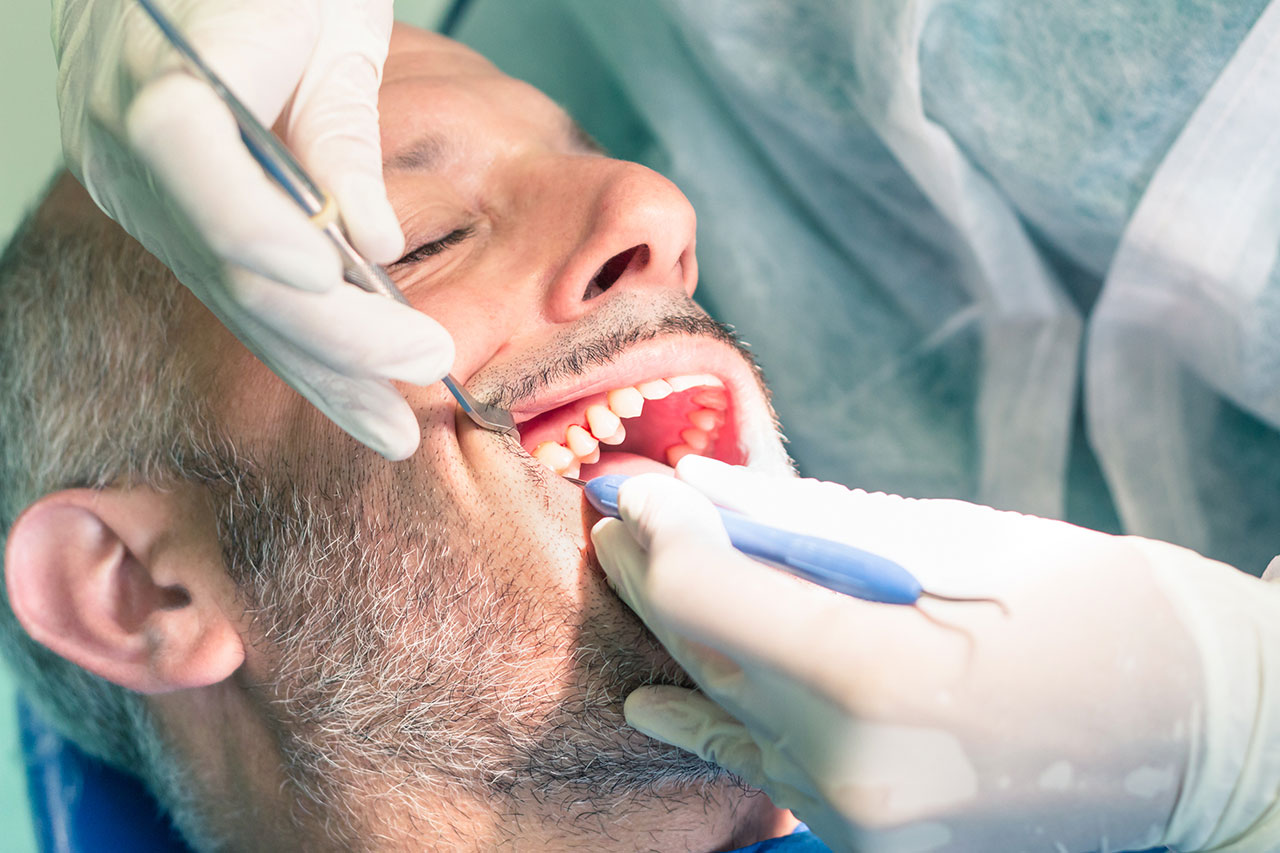
Root Canals: Fast Pain Relief That Saves Your Tooth
When a tooth keeps you up at night—throbbing, sensitive, impossible to ignore—what you want is relief that lasts. Root canals deliver exactly that. Despite the myths, a root canal doesn’t cause pain; it removes the inflamed or infected tissue inside the tooth that’s causing pain, then seals the space so you can chew again with confidence.
What a Root Canal Actually Is
Inside every tooth is a small space with nerves and blood vessels. Deep decay, cracks, or trauma can irritate or infect this tissue (the pulp). Root canals clean and shape those tiny channels, disinfect the space, and seal it with a biocompatible filling material. The outside of your tooth—the part you see—stays. Think of root canals as a rescue mission: you keep your natural tooth and stop the infection in its tracks.
Signs You May Need a Root Canal
- Lingering pain after hot or cold
- Spontaneous throbbing or night pain
- Pain when chewing or touching the tooth
- A pimple-like bump on the gums (may drain infection)
- Deep decay or a crack that reaches the nerve
- A darkening tooth after injury
Not every ache means root canals are required, but these signs are red flags. The sooner we check, the simpler the fix.
Step-by-Step: What to Expect
- Comfort first: We numb the area thoroughly. If you’re anxious, we’ll discuss calming options.
- Access: A small opening on the chewing surface lets us reach the canals.
- Cleaning: Tiny instruments and disinfecting solutions clear out the inflamed tissue and bacteria.
- Sealing: We place a rubber-like material (gutta-percha) and a sealer to close the space.
- Build-back: A filling seals the access. Many back teeth need a crown afterward to protect against cracks.
Most root canals are completed in one visit; complex cases may take two. Many patients return to normal activities the same day.
Will It Hurt?
With modern anesthesia and technique, root canals are comfortable. In fact, people often say, “That felt like getting a filling.” Afterward, mild soreness—especially when chewing—can last a day or two and responds well to over-the-counter pain relief. If you had significant infection, we may pair the procedure with antibiotics, but the true fix is cleaning and sealing the inside of the tooth.
Crowns After Root Canals: Why They Matter
Back teeth take heavy bite forces. After root canals, the remaining tooth can be brittle, especially if decay removed a lot of structure. A crown wraps and protects the tooth so that a random popcorn kernel doesn’t crack it. Front teeth often do fine with a bonded filling, but we’ll recommend a crown if there’s a large chip or heavy wear.
Alternatives to Root Canals (and Trade-Offs)
The main alternative is extraction. Sometimes that’s the right call—if the tooth is fractured below the gum or has too little structure left to restore. But if the tooth can be saved, root canals usually offer a faster, more affordable path back to chewing. If a tooth must be removed, we’ll discuss replacement options like dental implants, bridges, or partial dentures.
Myths, Busted
- “Root canals make you sick.” False. This myth is based on century-old science that’s been thoroughly debunked. Modern root canals remove infection; they don’t cause it.
- “It’s better to pull the tooth.” Not if the tooth can be saved. Keeping your natural root maintains bone and helps your bite stay balanced.
- “They never work.” Success rates are high when the tooth is restorable and properly sealed, especially with a protective crown on back teeth.
Caring for Your Tooth After Treatment
Avoid chewing hard foods on the treated tooth until the final restoration is placed. Keep brushing and flossing normally. If you feel the bite is high or tender after a few days, let us adjust it—simple fix, big relief. And keep regular cleanings; a well-sealed tooth still needs healthy gums around it.
Benefits of Root Canals (Supported by Professional Sources)
- Relief and preservation: Root canals stop pain and let you keep your natural tooth—a point emphasized by the American Association of Endodontists (AAE).
- High success: When paired with a quality final restoration, long-term success is strong in the research and professional consensus.
- Cost-effective: Saving a restorable tooth with root canals is often less costly and faster than extraction plus implant or bridge (AAE and comparative studies).
Sources: AAE patient resources and clinical guidance; evidence reviews on endodontic outcomes.
Bringing It All Together
Root canals aren’t the villain—they’re the rescue crew. They calm the tooth, clear the infection, and give you a second chance with your natural smile. With a careful diagnosis, clear step-by-step care, and the right final restoration, you’ll be back to normal life fast.
To find out if root canals are the right solution, call Pine Ridge Dental on Wiles at (954) 906-3337 or stop by 9132 Wiles Rd, Coral Springs, FL 33065 to book an appointment and get comfortable again.

Related Posts