What if the most powerful dental treatment wasn’t a big procedure at all, but a…

Preventive Dentistry: Small Habits, Big Payoffs for Lifelong Teeth
Here’s a thought: what if your best dental treatment was the one you never needed? That’s the aim of preventive dentistry. By focusing on cleanings, checkups, and smart daily habits, you can lower your risk for decay, gum disease, bad breath, and surprise bills. Preventive dentistry keeps care simple, affordable, and—dare we say—boring in the best way.
Why Preventive Dentistry Matters
Cavities and gum disease don’t happen overnight. They build slowly as plaque bacteria feed on sugars and produce acids that weaken enamel and irritate gums. Preventive dentistry interrupts that cycle early. With routine cleanings, we remove tartar that brushing can’t reach. With exams and X-rays when appropriate, we catch small problems before they snowball. Add fluoride, sealants for deep grooves, and a few at-home habits, and you’ve slashed your risk.
There’s another reason preventive dentistry is powerful: your mouth and your body talk to each other. Gum inflammation links with issues like diabetes control and heart health. Keeping gums calm helps your whole system.
What Happens at a Preventive Visit
A preventive dentistry visit is straightforward:
- Cleaning: We gently remove plaque and tartar, polish away stain, and review home care tips that fit your lifestyle.
- Exam: We check teeth, gums, bite, jaw joints, and soft tissues. If something’s off, we’ll explain clearly and show you images.
- X-rays when helpful: Digital films use very low radiation and help spot decay between teeth or changes in bone.
- Personalized plan: Everyone’s risk is different. We discuss fluoride, sealants, nightguards, or gum therapy if helpful.
No lectures, no shaming—just a clear picture and a plan that works.
Fluoride, Sealants, and Other Simple Boosters
- Fluoride: Think of it as armor for enamel. In office treatments and fluoride toothpaste both strengthen teeth and slow early decay. Preventive dentistry often pairs fluoride with cleanings for high-risk areas.
- Sealants: A thin coating that flows into the deep grooves of molars and hardens into a smooth, cleanable surface. Quick, painless, and super helpful for kids (and some adults with deep grooves).
- Desensitizers: If cold drinks make you wince, a quick in-office varnish can quiet those nerve endings and keep brushing comfortable.
- Custom trays or nightguards: For dry mouth or clenching, preventive dentistry can include trays to hold remineralizing gels or a guard to shield enamel at night.
Food, Drinks, and Your Enamel
Your teeth don’t mind treats; they mind frequency. Sipping a sweet drink for two hours feeds bacteria for two hours. With preventive dentistry, we talk timing: enjoy the latte with a meal, then rinse with water. Choose snacks that fight acid—cheese, nuts, crunchy veggies—and keep sticky, sugary foods as a once-in-a-while thing. If you use sports drinks, alternate with water.
Dry mouth from medications or vaping? That’s a big cavity risk. We’ll suggest saliva-friendly tips and products so preventive dentistry works even when your mouth feels parched.
Gum Health: Quiet Tissue, Strong Foundation
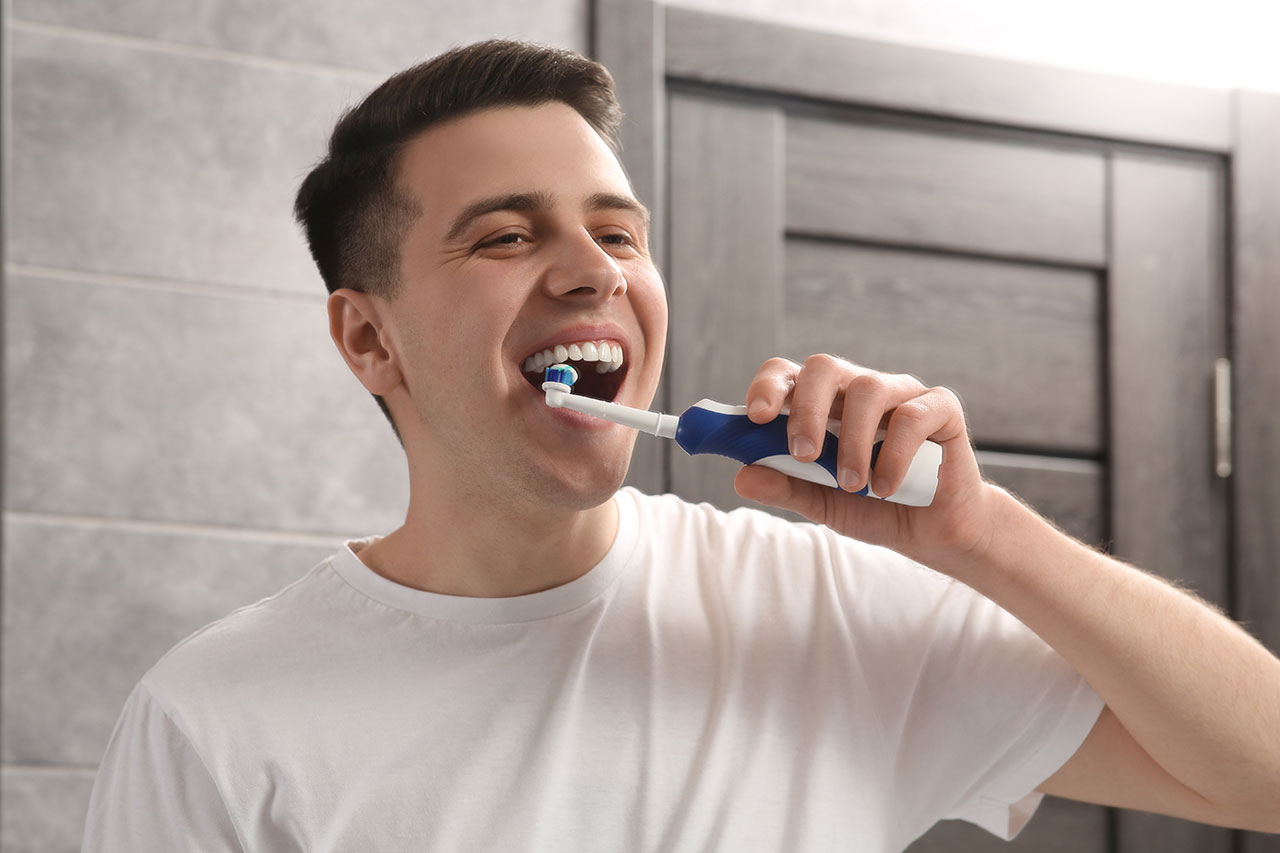
Healthy gums don’t bleed when you brush. If they do, that’s inflammation talking. Preventive dentistry tackles this early with a deep cleaning when needed, then regular maintenance to keep pockets shallow and tissue calm. Home help matters too: daily interdental cleaning (floss, picks, or a water flosser) and an electric toothbrush make a measurable difference.
Kids, Teens, and Adults: Same Playbook, Different Pages
- Kids: Gentle cleanings, fluoride, sealants, and fun coaching make preventive dentistry feel easy. We also track growth and bite changes.
- Teens: Sports mouthguards, wisdom tooth checks, and habit coaching (hello, energy drinks) keep risk low.
- Adults: Stress grinding? We’ve got guards. Expecting a baby? Extra gum checks help. Managing health conditions? Preventive dentistry coordinates with your physician when needed.
How Often Should I Come In?
Most people do well with six-month visits. If you’re prone to tartar, have gum inflammation, or wear braces or Invisalign, you might benefit from three- to four-month cleanings. Preventive dentistry is personalized—not one size fits all.
Benefits of Preventive Dentistry (Supported by Professional Sources)
- Lower cavity and gum risk: Routine professional care plus home hygiene reduces disease rates (American Dental Association—ADA).
- Sealants work: School-based data show sealants reduce molar cavity risk by about 50% in children (Centers for Disease Control and Prevention—CDC).
- Whole-health connections: Managing gum inflammation supports better diabetic control and lowers systemic inflammatory burden (ADA and periodontal literature).
Sources: ADA MouthHealthy; CDC sealant guidance; American Academy of Periodontology summaries.
Bringing It All Together
When preventive dentistry is steady, dental care gets easier, faster, and less expensive. You spend more time on quick cleanings and less time in the “fix it” chair. It’s a simple deal: a few routine visits, thoughtful home habits, and smart add-ons like fluoride or sealants.
Ready to make preventive dentistry part of your routine? Call Pine Ridge Dental on Wiles at (954) 906-3337 or stop by 9132 Wiles Rd, Coral Springs, FL 33065 to schedule a consultation and set up your next cleaning.

Related Posts