
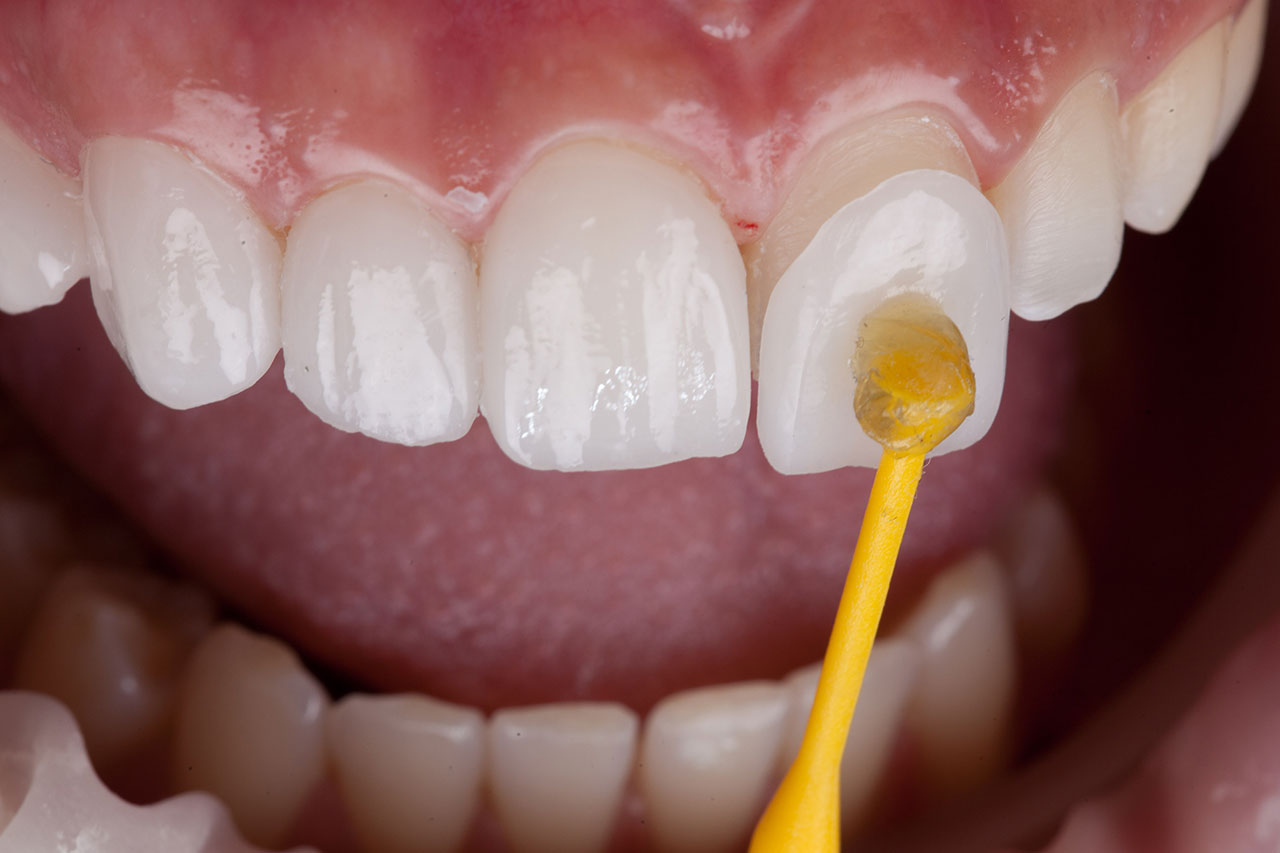
Porcelain Veneers Vs. Bonding: Which Cosmetic Fix Is Right For Your Front Teeth?
Start With Your Smile Goals
Do you catch yourself hiding your smile in photos because of chips, uneven edges, or discoloration that whitening won’t fix? If so, you’ve probably come across two popular cosmetic dentistry options: porcelain veneers and dental bonding. Both improve the look of front teeth, but they aren’t interchangeable. Understanding durability, cost, maintenance, and timeline helps you choose a solution that fits your goals and budget.
What Are Porcelain Veneers?
Porcelain veneers are ultra-thin, custom shells that cover the front surface of a tooth. Because they’re made in a dental lab to match your desired shape and shade, veneers can create a dramatic, natural-looking transformation. They’re especially useful for masking deep discoloration, closing small gaps, and making minor alignment or shape corrections for a consistently bright, symmetrical smile.
What Is Dental Bonding?
Bonding uses tooth-colored resin that is shaped directly on the tooth and then polished. It’s conservative and fast, often completed in a single visit. Bonding can repair a small chip, lengthen a worn edge, or fill in a little space between teeth. For many patients, it’s a cost-effective way to test-drive a cosmetic change before investing in a longer-lasting solution like veneers.
Durability And Longevity
Veneers are known for strength and color stability. With good home care and regular checkups, they can last 10–15 years or longer. Because the ceramic surface resists staining, your smile tends to stay bright with everyday coffee and tea habits. Bonding, by comparison, typically lasts 3–7 years. It’s more porous than porcelain, so it can stain and may need occasional polishing or touch-ups.
Aesthetics: Color, Shape, And Translucency
Porcelain mimics the light-reflecting properties of natural enamel. As a result, veneers can deliver highly lifelike depth and translucency. The lab can fine-tune the shade to your exact preferences—subtle, bright, or somewhere in between. Meanwhile, bonding blends beautifully for small changes and single-tooth repairs, but it may be harder to maintain a perfect shade match across multiple teeth over time.
Tooth Preparation And Reversibility
To place veneers, we often remove a thin layer of enamel—usually about the thickness of a fingernail—so the veneers sit flush and look natural. While conservative, that step means veneers are a long-term commitment. Bonding, however, is usually additive; little to no enamel is removed. If you want a reversible or trial approach, bonding offers flexibility.
Speed, Appointments, And Smile Preview
Bonding can be completed quickly—often in one visit. Veneers typically require two appointments: one to prepare teeth and take impressions or scans, and a second to bond the finished veneers. Along the way, we’ll use photos, mockups, or digital previews so you can visualize your result before it’s final.
Maintenance And Everyday Care
Both options benefit from excellent brushing, flossing, and regular professional cleanings. However, if you clench or grind, a night guard can help protect your new smile—especially veneers. Additionally, avoid biting directly into very hard items (like ice) with treated front teeth. Simple habits go a long way toward preserving your investment.
Cost And Value
While veneers cost more upfront, they deliver premium, long-lasting aesthetics with minimal maintenance. Bonding is more affordable and great for smaller corrections or budget-friendly smile upgrades. In many cases, patients start with bonding on one or two teeth, then transition to veneers when they’re ready for a comprehensive makeover.
When Veneers Make Sense
- Multiple cosmetic concerns across several front teeth
- Deep stains that whitening can’t fix
- Desire for a stable, long-lasting color and shape
- Goal of a “wow” transformation with minimal maintenance
When Bonding Is A Win
- Small chips or uneven edges
- One or two front teeth that need subtle shaping
- A budget-conscious, same-day refresh
- A reversible option to test aesthetics
Your Cosmetic Dentistry Partner In Coral Springs
Still deciding between veneers and bonding? At Pine Ridge Dental on Wiles in Coral Springs, FL, we’ll evaluate your enamel, bite, and lifestyle to recommend the ideal path—sometimes a combination of both. Ready for personalized guidance? Call (954) 906-3337 to schedule a consultation and begin planning your best smile.
