Sometimes a smile does not need to be rebuilt, it just needs to be refined.…
Porcelain Veneers In Coral Springs: A Personalized Approach To Smile Enhancement
Sometimes a smile does not need a complete transformation to look more balanced. A few teeth may have uneven edges, stubborn discoloration, small gaps, or shapes that do not seem to match the rest of the smile. Porcelain Veneers can address several of these concerns at once by placing thin, custom-made shells over the front surfaces of selected teeth.
Porcelain Veneers are a cosmetic dental treatment designed to improve the appearance of teeth while creating a natural-looking result. They can change the visible color, shape, size, and proportions of selected teeth. For patients in Coral Springs, veneers may offer a way to address multiple cosmetic concerns through one carefully planned treatment.
What Are Porcelain Veneers?
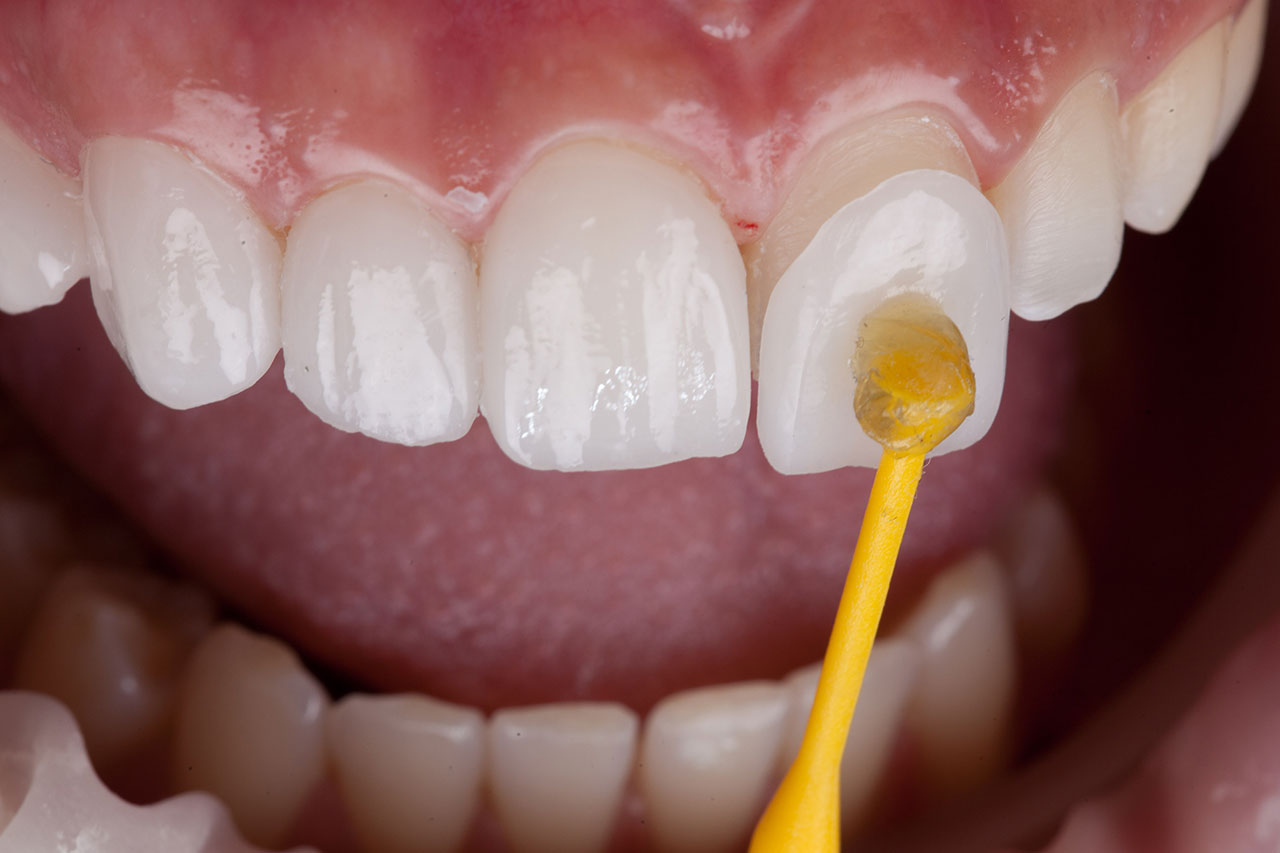
Porcelain Veneers are thin, custom-made shells designed to cover the front surface of a tooth. They are created to fit the individual tooth and are bonded into place once the final design has been approved.
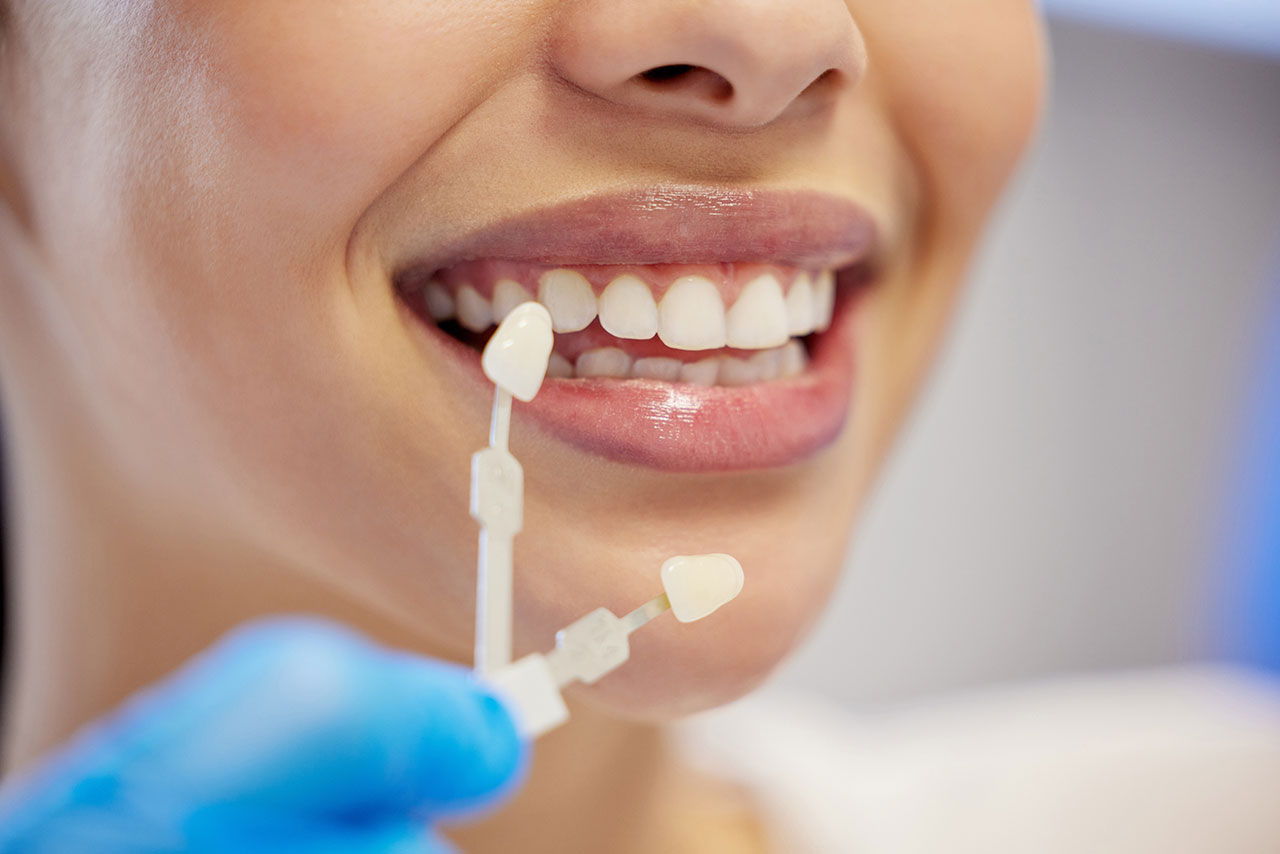
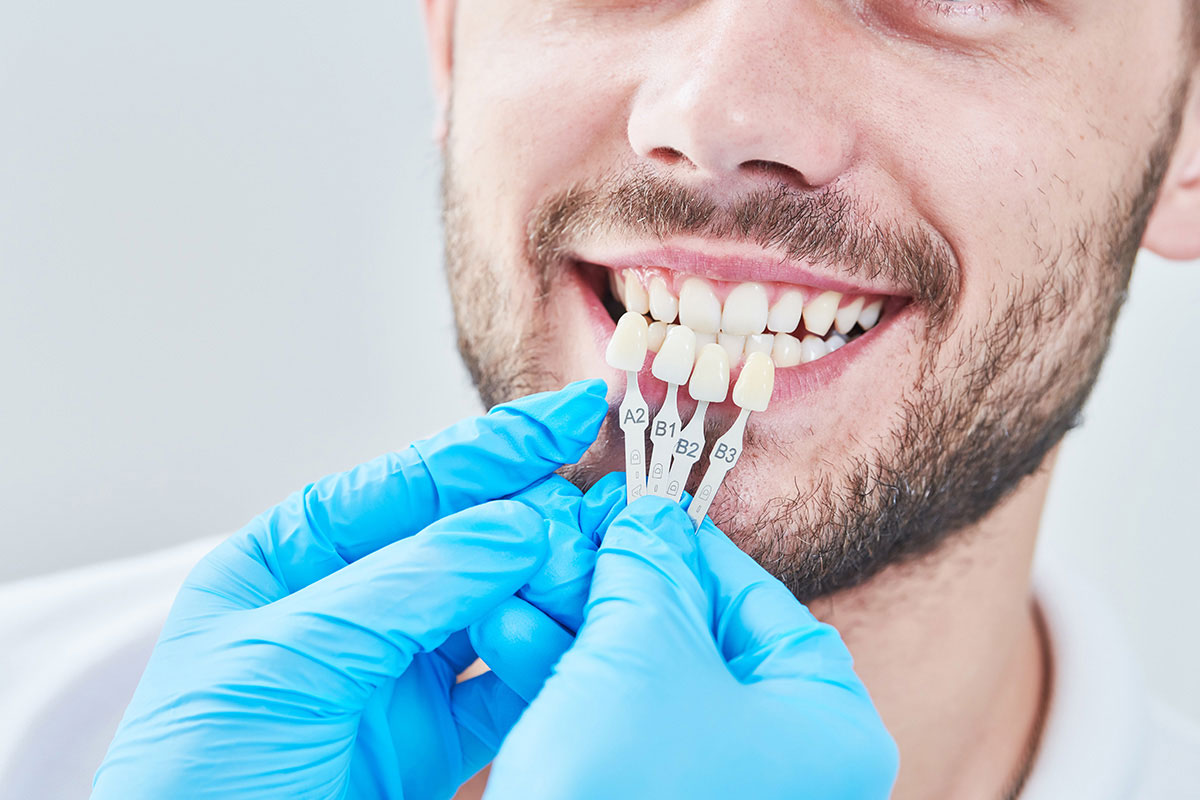
Because each veneer is customized, the dentist and dental laboratory can consider factors such as tooth shade, shape, length, width, and overall smile balance. The goal is to create a result that looks appropriate for the patient’s face and surrounding teeth.
Veneers are different from crowns because they generally cover the visible front portion of the tooth rather than completely surrounding it. They are primarily cosmetic restorations, although they may provide some protection to the treated surface.
What Can Porcelain Veneers Improve?
Porcelain Veneers can address several cosmetic concerns at the same time. Patients may consider veneers for teeth that have persistent discoloration, uneven shapes, small spaces, worn edges, or minor visual imperfections.
Common cosmetic concerns that may be considered for veneers include:
- Persistent discoloration
- Uneven tooth shape
- Small gaps between selected teeth
- Minor chips or worn edges
- Teeth that appear too short or uneven in length
- Teeth with cosmetic imperfections that do not respond well to whitening
- Smile proportions that appear unbalanced
Not every cosmetic concern requires veneers. In some cases, whitening, bonding, orthodontic treatment, or another approach may provide a more conservative solution.
Why Planning Matters With Porcelain Veneers
A beautiful veneer is not simply a bright white shell placed over a tooth. The design needs to consider the entire smile.
When planning Porcelain Veneers, the dentist may evaluate tooth proportions, gum position, facial features, bite, smile line, and the appearance of surrounding teeth. These factors help determine how the final restoration should look.
The goal should be balance rather than an artificial appearance. A veneer that looks attractive by itself may not look natural if its size, shade, or shape does not work with the rest of the smile.
Porcelain Veneers And Tooth Color
One reason patients choose Porcelain Veneers is to address discoloration that may not respond predictably to whitening. Some stains are deeper or affect individual teeth differently than the surrounding enamel.
Veneers can provide a new visible surface with a carefully selected shade. This makes them useful when a patient wants to address both color and shape at the same time.
However, whitening may be recommended before veneers in some cases. Natural teeth and veneers should be planned together so the final shades work well with one another.
How Porcelain Veneers Are Placed
The veneer process begins with a consultation and evaluation. Your dentist will examine your teeth and gums and discuss the cosmetic changes you want to make.
When veneers are appropriate, the teeth are prepared according to the planned restoration. Depending on the treatment design, a small amount of enamel may need to be removed to create space for the veneer and allow it to fit naturally.
Impressions or digital scans are then used to create the custom restorations. Temporary coverings may be used while the permanent veneers are being made.
At the final appointment, the veneers are carefully evaluated. The dentist checks the fit, color, shape, and bite before permanently bonding them to the teeth.
Porcelain Veneers And Natural Appearance
Modern porcelain can be designed to resemble natural enamel. Its appearance can change subtly as light reflects across the surface, which helps create a more lifelike result.
The final appearance depends on more than the material itself. Tooth position, shade, gum position, facial features, and the number of teeth being treated all influence the result.
Porcelain Veneers are often planned as part of the overall smile rather than as isolated restorations. This approach helps create consistency from tooth to tooth.
Who May Be A Candidate For Porcelain Veneers?
Patients with generally healthy teeth and gums who want to improve selected cosmetic concerns may be candidates for Porcelain Veneers.
However, active decay, untreated gum disease, significant tooth damage, or certain bite problems may need attention first. Veneers are not a substitute for treating underlying dental disease.
Patients who grind or clench their teeth may also need to discuss protective strategies. Excessive pressure can increase the risk of damage to cosmetic restorations.
Porcelain Veneers Compared With Dental Bonding
Dental bonding and Porcelain Veneers can both improve selected cosmetic concerns, but they work differently.
Bonding uses composite resin that is applied directly to the tooth and sculpted into shape. It can be useful for smaller changes and may require minimal preparation.
Porcelain veneers are custom-made restorations created outside the mouth and then bonded to the tooth. They may provide a more comprehensive change in shape, color, and appearance for selected patients.
The right choice depends on the condition of the teeth, desired outcome, budget, bite, and long-term goals. A consultation can help determine whether bonding, veneers, or another treatment makes the most sense.
How To Care For Porcelain Veneers
Porcelain Veneers require many of the same daily habits as natural teeth. Brush twice a day, clean between your teeth, and attend regular dental visits.
Avoid using your teeth to open packages or bite hard objects. Although porcelain can be durable, it is not indestructible. Excessive force can damage veneers or the underlying tooth.
If you grind or clench your teeth, your dentist may recommend a night guard or another protective approach. Protecting the restoration is an important part of maintaining your investment.
How Long Can Porcelain Veneers Last?
The lifespan of Porcelain Veneers varies based on oral hygiene, bite forces, habits, the condition of the underlying teeth, and the quality of ongoing maintenance.
Patients who maintain good oral hygiene and avoid excessive pressure can help their veneers remain attractive and functional for many years. Regular dental visits allow your dentist to monitor both the veneers and the natural teeth underneath them.
Benefits of Porcelain Veneers
- Can improve the visible color of selected teeth
- Can reshape teeth with uneven proportions
- Can address certain small gaps
- Can improve the appearance of worn or chipped edges
- Can create a more balanced-looking smile
- Can provide a durable cosmetic restoration for appropriate patients
- Can be customized to complement surrounding teeth
- Can address multiple cosmetic concerns through one treatment plan
- Can provide a natural-looking alternative for selected cosmetic concerns
- Can help create greater consistency in tooth shape and shade
What Porcelain Veneers Cannot Do
Understanding the limits of Porcelain Veneers is just as important as understanding their benefits. Veneers cannot replace missing teeth, treat active decay, or correct every type of bite problem.
They also do not make the underlying teeth immune to cavities or gum disease. The natural tooth beneath and around the veneer still requires proper care.
For some patients, orthodontic treatment or restorative dentistry may be more appropriate. A comprehensive evaluation helps ensure that the chosen treatment addresses the actual dental concern.
Frequently Asked Questions About Porcelain Veneers
Do Porcelain Veneers Look Natural?
They can. Veneers are customized based on tooth color, shape, size, and surrounding teeth. Careful planning helps create a result that complements the smile.
Can Porcelain Veneers Fix Crooked Teeth?
Veneers can make selected teeth appear more aligned, but they do not physically move teeth into new positions. More significant alignment concerns may be better addressed with orthodontic treatment.
Can I Whiten Porcelain Veneers?
Traditional whitening primarily affects natural enamel. Porcelain veneers generally do not whiten in the same way, which is why treatment sequencing and shade selection are important.
A Thoughtful Approach To Cosmetic Dentistry
The best cosmetic dental treatment is not always the most dramatic one. It is the treatment that addresses the patient’s concerns while fitting naturally with the rest of the smile. Porcelain Veneers can provide a versatile option for improving color, shape, proportion, and selected cosmetic imperfections when they are appropriate.
If you are considering Porcelain Veneers in Coral Springs, Pine Ridge Dental on Wiles can evaluate your smile and discuss whether veneers are the right cosmetic option for you. Visit 9132 Wiles Rd, Coral Springs, FL 33065, or call (954) 906-3337 to Schedule a Consultation and explore a personalized approach to improving your smile.

Related Posts