Many people wish for straighter teeth but hesitate to pursue treatment because traditional braces can…

Invisalign In Coral Springs: How Clear Aligners Fit Into Everyday Life
Straightening your teeth does not have to mean putting your daily routine on hold. For many people, the appeal of clear aligners is simple. They can gradually move teeth while remaining removable for meals, brushing, and special occasions. Invisalign provides a modern approach to orthodontic treatment that can fit more naturally into everyday life.
Invisalign uses a series of custom-made clear aligners to gradually guide teeth toward planned positions. Each aligner is designed to make controlled changes based on an individualized treatment plan. For patients in Coral Springs, understanding how Invisalign works, what daily wear involves, and what affects treatment success can help determine whether clear aligners are a good fit.
What Is Invisalign?
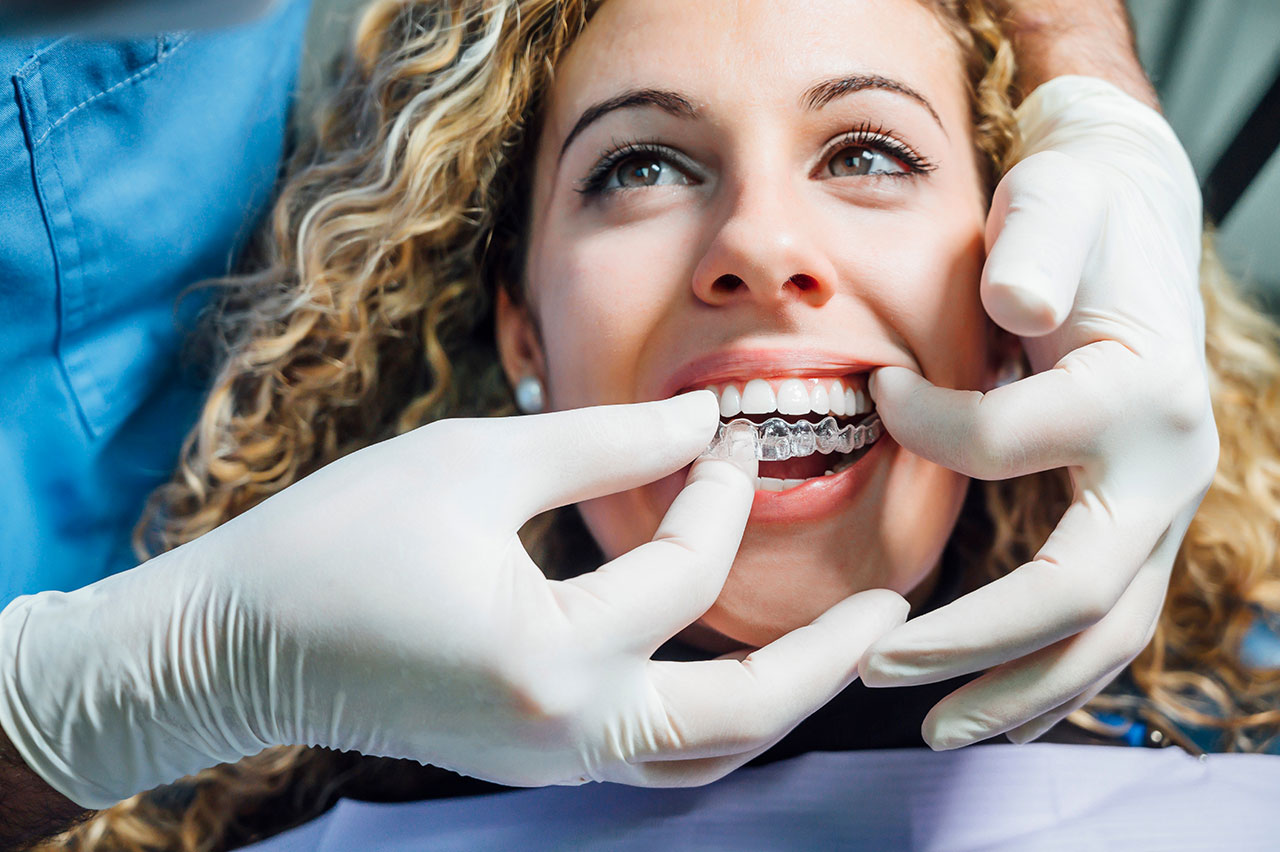
Invisalign is an orthodontic treatment system that uses clear, removable aligners instead of traditional metal brackets and wires.
Each set of aligners is designed for a particular stage of treatment. As you move through the series, the aligners gradually guide selected teeth into new positions.
The aligners are custom-made for the patient. This means the treatment is based on the starting position of the teeth and the desired final result rather than using a standard tray for everyone.
How Invisalign Moves Teeth
Teeth can move when controlled pressure is applied over time. Invisalign uses a series of aligners to create these gradual changes.
Each aligner may move certain teeth slightly. After wearing the aligner as directed, the patient progresses to the next one in the series.
The process is gradual because teeth and the surrounding tissues need time to adapt. The treatment plan is designed to guide movement in a controlled sequence rather than attempting to move everything at once.
Why Removable Aligners Are Convenient
One of the most noticeable differences between Invisalign and traditional braces is that the aligners can be removed.
Patients can take the aligners out for eating and drinking. They can also remove them for brushing and flossing, which makes maintaining daily oral hygiene straightforward.
This flexibility can be appealing to adults and teens who want orthodontic treatment that works around school, work, travel, sports, or social activities.
However, the ability to remove the aligners also creates a responsibility. Patients need to wear them for the recommended amount of time each day to keep treatment progressing according to plan.
What Happens At An Invisalign Consultation?
The process begins with an examination and discussion of your goals. The dentist evaluates the alignment of your teeth and considers your bite and overall oral health.
Digital scans or other records may be used to create a treatment plan. These records help show how the teeth are positioned and allow the dental team to plan the sequence of movement.
Your dentist can then explain whether Invisalign is appropriate and what type of result may be realistic.
How Long Does Invisalign Take?
Treatment time varies from person to person. The length depends on the type and extent of tooth movement needed, how consistently the aligners are worn, and how the teeth respond to treatment.
Some cases may be relatively short, while others require more time and more aligners.
Following the treatment schedule is important. If aligners are not worn as directed, the teeth may not move according to the planned sequence, which can affect the overall timeline.
Daily Life With Invisalign
Many patients appreciate that Invisalign fits into normal daily routines. The aligners are designed to be worn most of the day, with removal for meals and oral hygiene.
At first, wearing the aligners may feel unusual. The mouth needs time to become familiar with them. Some patients notice a temporary change in speech, but this often improves as they become accustomed to the aligners.
Keeping the aligners clean is also important. Follow the cleaning instructions provided by your dental team and avoid exposing the trays to conditions that could damage or distort them.
Eating And Drinking With Invisalign
Because Invisalign aligners are removable, patients generally take them out before eating. This allows you to enjoy a normal variety of foods without having to work around brackets and wires.
After eating, brush or clean your teeth before putting the aligners back in when possible. This helps reduce the amount of food and bacteria trapped against the teeth.
Water is generally the simplest choice while wearing aligners. Follow your dental provider’s instructions for other beverages.
Invisalign And Oral Hygiene
Good oral hygiene remains essential during Invisalign treatment. Aligners fit closely over the teeth, so plaque and food particles can remain trapped against the enamel if teeth are not cleaned properly.
Brush twice a day and clean between your teeth every day. Regular dental visits also remain important during orthodontic treatment.
Clear aligners can make brushing easier than fixed braces because the trays are removable. However, they do not replace good oral hygiene.
Invisalign And Existing Dental Work
Some patients have fillings, crowns, bridges, or other dental restorations before beginning Invisalign. These restorations do not automatically prevent orthodontic treatment, but they need to be considered during planning.
The dentist may evaluate how the existing restoration affects tooth movement and whether the final position of the teeth could change the appearance or function of the restoration.
This is another reason an individualized evaluation is important. Orthodontic treatment should be planned alongside the patient’s overall dental health.
Who May Benefit From Invisalign?
Invisalign may be appropriate for patients with certain alignment concerns, including crowded teeth, spacing issues, and selected bite problems.
The suitability of clear aligners depends on the specific movements required. Some complex orthodontic cases may need other treatment approaches.
Age alone does not determine candidacy. Teens and adults may both be candidates when their teeth and oral health are suitable for treatment.
Benefits of Invisalign
- Uses clear aligners that are less noticeable than traditional braces
- Aligners can be removed for eating
- Aligners can be removed for brushing and flossing
- Can fit more easily into many daily routines
- Allows treatment to be planned around specific tooth movements
- Can address selected crowding and spacing concerns
- May improve certain alignment and bite concerns
- Can provide a more flexible orthodontic experience for appropriate patients
- Does not require permanent brackets and wires on the teeth
- Can be monitored through scheduled dental visits
Why Compliance Matters With Invisalign
The removable nature of Invisalign is one of its greatest advantages, but it also means patients have an important role in treatment success.
If aligners are left out for long periods, the teeth may not receive the planned amount of pressure. This can slow progress or cause the aligners to stop fitting properly.
Following the wear schedule and changing aligners according to professional instructions helps keep treatment moving in the intended direction.
What Happens After Invisalign Treatment?
Once the teeth reach their planned positions, patients generally need a retention plan. Teeth can naturally shift after orthodontic treatment, so retainers help maintain the result.
Your dental provider will explain how often the retainer should be worn and how to care for it. Long-term retention is an important part of protecting the investment made during orthodontic treatment.
Frequently Asked Questions About Invisalign
Is Invisalign Completely Invisible?
Invisalign aligners are clear and designed to be much less noticeable than traditional metal braces. They can still be visible at close range, but their appearance is generally subtle.
Can I Eat With Invisalign Aligners In?
Patients generally remove Invisalign aligners before eating. This helps protect the aligners and allows you to enjoy food without working around the trays.
How Many Hours A Day Should I Wear Invisalign?
Your dental provider will give you specific wear instructions. Consistent daily wear is important because the aligners need sufficient time on the teeth to create the planned movement.
Can Teenagers Use Invisalign?
Some teenagers are good candidates for Invisalign. The decision depends on dental development, alignment concerns, oral health, and the patient’s ability to follow the treatment plan.
A Clearer Way To Approach Orthodontic Treatment
Straighter teeth can make everyday dental care easier and may improve the balance of a smile. Invisalign offers a removable, clear-aligner approach that allows many patients to pursue orthodontic treatment without traditional brackets and wires.
If you are considering Invisalign in Coral Springs, Pine Ridge Dental on Wiles can evaluate your teeth and explain whether clear aligner treatment may fit your goals. Visit 9132 Wiles Rd, Coral Springs, FL 33067, or call (954) 906-3337 to Book an Appointment and explore your orthodontic options.

Related Posts