Have you ever fixed a favorite book with a sturdy cover so the pages stay…
Implant Crowns: The Finishing Touch for a Natural-Looking New Tooth
Here’s a helpful question: if the implant is the root, what makes your smile look like a smile again? The answer is the implant crown—the custom top that attaches to your implant and completes the tooth. An implant crown is where art and engineering meet: it needs to look right, feel right, and stand up to everyday life. This guide explains how implant crowns are designed, how they’re attached, and what helps them last for years.
What is an implant crown? (And how is it different from a regular crown?)
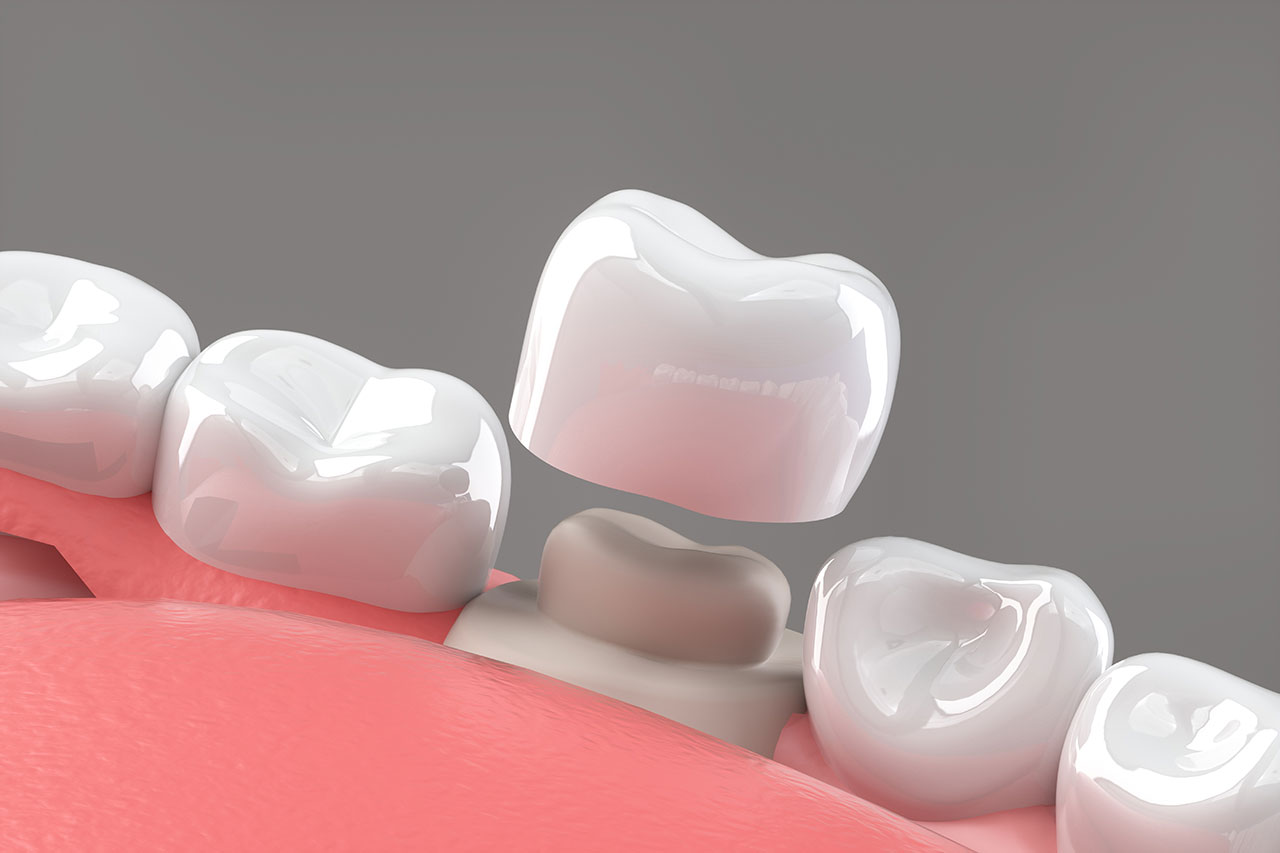
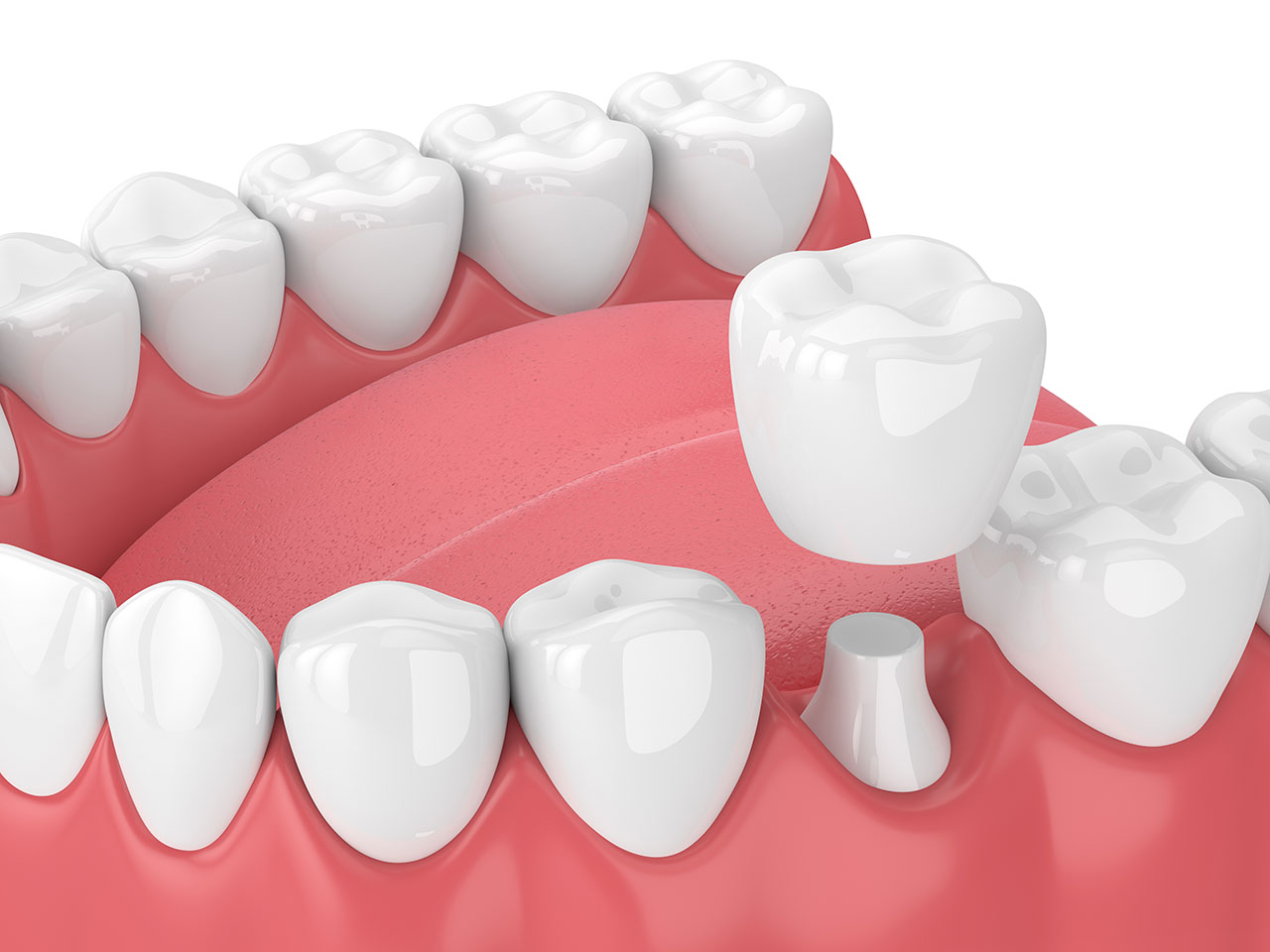
A regular crown covers a natural tooth that’s been shaped to accept it. An implant crown replaces the visible part of a missing tooth and attaches to a dental implant instead of a natural root. Between the implant and the crown sits a connector called an abutment. Think of the implant as the foundation, the abutment as the post, and the implant crown as the part you see and use every day.
Because there’s no nerve inside an implant, you won’t feel temperature changes through an implant crown the way you might with a natural tooth. That’s normal—and a reminder why precision in the bite matters so much.
Two ways implant crowns are attached
- Screw-retained implant crowns: A small screw passes through the crown and connects it to the implant or abutment. The access hole is filled with a tiny plug and tooth-colored material. The advantage? Easy retrievability for maintenance and a reduced risk of cement irritating the gums.
- Cement-retained implant crowns: The crown is cemented onto the abutment like a traditional crown. These can be very aesthetic because there’s no access hole. The key is using the right cement and technique so extra cement doesn’t linger under the gum.
Neither option is “right” for everyone. We choose the attachment style based on implant position, bite forces, and how much space we have to work with. The goal is simple: a secure, cleanable implant crown that looks great.
Materials that look like teeth (and act like them, too)
Today’s implant crowns are most often made from:
- Zirconia: Very strong and chip-resistant. Great for back teeth or people who clench.
- Porcelain-fused-to-metal (PFM): A time-tested blend of beauty and strength. A metal substructure supports layered porcelain.
- Lithium disilicate (e.g., IPS e.max): Translucent and highly aesthetic. Often used for front teeth when the bite allows.
We’ll match the material and shade to your neighboring teeth. Photos in natural light, a custom shade session, and lab artistry help a front-tooth implant crown disappear into your smile.
Custom abutment vs. stock abutment—why it matters
A custom abutment is shaped specifically for your gumline and bite. It helps the implant crown emerge naturally from the tissue and can improve both hygiene and appearance—especially in the front of the mouth. A stock abutment is pre-made and adjusted to fit; it works well in many back-tooth cases. We’ll recommend the right approach based on where the implant sits and the look we’re aiming for.
How an implant crown is made (the short, clear version)
- Impressions or scans: We record the exact implant position using a small connector and either a digital scanner or precision impression material.
- Bite records and photos: These guide the shape, contact points, and shade of your implant crown.
- Try-in or delivery: For some cases—especially front teeth—we test the shape first. For others, we deliver the final crown and adjust the bite on the spot.
- Attachment: The crown is either screwed in place or cemented to the abutment with a careful, clean technique.
- Final check: We verify your bite, contacts, and home-care plan so the area stays healthy.
Matching one front tooth (the true art project)
Replacing a single front tooth with an implant crown is one of dentistry’s most precise tasks. Natural teeth are a little translucent at the edge and a bit more opaque near the gum. There are faint color shifts and light reflections. To mimic that, we work closely with the lab, sometimes bringing you in for a custom stain-and-glaze session. The payoff? A front implant crown that doesn’t call attention to itself—because it simply looks like you.
Getting the bite just right
Because implants don’t have a ligament like natural teeth, they don’t “give” under pressure. That’s why we fine-tune the bite carefully on day one—and again at follow-ups if needed. Even, light contacts reduce the chance of stress cracks, screw loosening, or gum irritation around an implant crown.
Home care for implant crowns (easy and effective)
- Brush twice daily with a soft brush and low-abrasion toothpaste.
- Clean the sides with floss, a water flosser, or small interdental brushes.
- Nightguard if you clench or grind—especially for front implant crowns.
- Checkups every six months (sometimes more often for complex cases).
A few minutes a day protects your investment and keeps the tissue around implant crowns calm and healthy.
Troubleshooting: small issues, simple fixes
- Loose feeling or clicking: It may be a loose screw, which we can retighten, or a bite adjustment that’s needed.
- Gum irritation: Often improved with better cleaning around the crown or switching to a screw-retained design to avoid cement.
- Chipping: Material-specific repairs or replacement keep the area looking good and biting comfortably.
None of these are “failures.” They’re maintenance items—and we design your implant crown so they can be handled smoothly if they ever pop up.
Benefits of implant crowns (grounded in professional guidance)
- Preserve neighboring teeth: An implant crown replaces only the missing tooth; it doesn’t require reshaping the teeth next door the way a traditional bridge often does—an advantage outlined by the American College of Prosthodontists (ACP).
- Durable and hygienic: With the right material and cleaning routine, implant crowns are long-lasting and easy to keep clean. Maintenance protocols from implant and periodontal organizations focus on routine hygiene to keep implant tissues healthy.
- Aesthetics that inspire confidence: Modern ceramics and custom abutments allow implant crowns—even front-tooth cases—to blend with your natural smile, a priority stressed in clinical esthetics literature and ADA patient resources.
Sources: American College of Prosthodontists (ACP); implant and periodontal maintenance guidance; ADA patient resources.
A note on timelines and “immediate” crowns
Sometimes a temporary implant crown can be placed the same day the implant goes in—great for front-tooth appearance. That temporary protects the gum shape while the implant bonds with bone. The final crown follows after the implant is fully stable. In back teeth, we’re often more conservative and wait for healing before placing the permanent implant crown. The right pace is the one that protects long-term success.
Your Coral Springs plan, step by step
When it’s time to restore an implant at Pine Ridge Dental on Wiles, you can expect:
- A design visit to set shape and shade expectations.
- A clean, precise attachment appointment with bite fine-tuning.
- Clear home-care tips and a schedule for routine checks.
Our goal is simple: an implant crown that you forget about—because it looks and feels like it’s always been there.
Ready to finish your implant the right way with a custom implant crown? Call Pine Ridge Dental on Wiles at (954) 906-3337 or visit 9132 Wiles Rd, Coral Springs, FL 33065 to book an appointment and get your smile back in action.

Related Posts