
What if the most powerful dental treatment wasn’t a big procedure at all, but a…
How Oral Health Shapes Your Whole-Body Wellness: The Case for Preventive Dentistry
Here’s a simple truth that sounds almost too obvious: your mouth isn’t separate from the rest of you. Sore gums, bleeding when you floss, or a cavity that keeps flaring up—all of it feeds your body’s overall health story. That’s why preventive dentistry isn’t just about clean teeth; it’s a wellness habit with ripple effects you can feel.
What preventive dentistry actually includes
Think of preventive dentistry like routine maintenance for a car you want to keep forever. It includes professional cleanings, exams, X-rays when needed, fluoride, sealants for deep grooves, and coaching on daily habits. Small, steady visits make problems boring and predictable rather than dramatic and expensive.
The mouth-body connection, in plain language
Gums are living tissue with a rich blood supply. When plaque hardens into tartar and irritates those tissues, they can swell and bleed—a condition called gingivitis. Left alone, it can progress to periodontitis, where the bone around teeth slowly thins. That chronic inflammation can raise the overall “alarm level” in your body. Research summarized by national groups shows links between periodontal disease and conditions like diabetes control issues, heart disease risk markers, and adverse pregnancy outcomes. Preventive dentistry helps calm that background noise.
Sugar, acids, and the daily tug-of-war
Cavity-causing bacteria love sugars and refined starches. They turn them into acids that pull minerals out of enamel. Saliva tries to remineralize the surface, especially if it has a boost from fluoride toothpaste. When the “acid time” wins too often, tiny soft spots become full cavities. Preventive dentistry tips the balance—cleanings remove hardened plaque, fluoride strengthens enamel, and sealants block deep grooves that trap food.
Habits that make the biggest difference
- Brush twice daily with a soft brush and a pea-size fluoride toothpaste; angle the bristles toward the gumline.
- Clean between teeth every day—floss, interdental brushes, or a water flosser.
- Sip water often, especially after coffee, soda, or citrus.
- Keep most sweets with meals, not as “sippers” all afternoon.
- Schedule preventive dentistry visits at intervals your provider recommends based on your risk, not just the calendar.
Signs your gums need attention now
Bleeding when you brush, bad breath that lingers, gums that look puffy or tender, or teeth seeming a bit longer (receding gums) all point to inflammation. Sensitivity to cold can hint at exposed root surfaces. Don’t wait for pain; inflammation is quieter than a cavity but just as important.
Dental exams are health checkups
A checkup is more than a shine and a polish. Your provider checks gum measurements, reviews changes to your medical history, screens for oral cancer, and looks for grinding wear. Bite issues, dry mouth from medications, or acid reflux can all show up in your mouth first. Addressing those early is part of smart preventive dentistry.
Home kit that keeps you on track
Pick a toothbrush you like (manual or electric), a gentle fluoride paste, floss you’ll actually use, and a small interdental brush for wider spaces. A travel kit in your bag turns “I forgot” into “I’ve got this.” If you clench or grind, talk about a nightguard—it protects enamel and fillings you’ve already paid for.
Benefits of preventive dentistry (what respected sources say)
- Lower cavity and gum disease rates: Regular cleanings and fluoride are associated with fewer cavities and healthier gums in summaries from the American Dental Association and the Centers for Disease Control and Prevention.
- Healthier pregnancy, better diabetes control: Managing gum inflammation aligns with improved markers in studies reviewed by dental and medical organizations (ADA, NIDCR, and medical journals).
- Earlier detection of problems: Routine preventive dentistry exams improve detection of oral cancer signs, cracked teeth, and dry-mouth effects, leading to simpler treatment—consistently highlighted in ADA and NIDCR materials.
Barriers—and realistic ways around them
Busy schedule? Book before work or set reminders for the month you’re due. Sensitive teeth? Ask about medicated varnishes and a gentler polishing paste. Budget questions? Preventive visits are usually far less than fixing a crown or root canal. Nervous about cleanings? Share that; small adjustments—numbing gel for tender spots or breaks between sections—make a big difference.
When “watching” is the right choice
Not every spot needs treatment today. Early enamel changes can reharden with daily fluoride and fewer acid attacks. Small chips that don’t hurt can be smoothed and monitored. A custom plan is part of good preventive dentistry—treat what’s active, watch what’s stable, and keep everything clean.
The oral microbiome in easy terms
Your mouth hosts a community of helpful and harmful bacteria. When you snack frequently or skip cleaning between teeth, the balance shifts toward acid-making species. Rinsing with water after meals, limiting “grazing,” and using fluoride toothpaste favor the helpful side. That’s preventive dentistry at the microscopic level.
Heart health, diabetes, and inflammation
Inflamed gums leak tiny amounts of bacteria and inflammatory signals into the bloodstream. Over time, that can worsen blood-sugar control and may affect cardiovascular risk markers. Treating gum disease reduces bleeding and inflammation—small changes that can support overall health. Pair your cleanings with your medical care for a one-team approach.
Fluoride and sealants—simple science, big payoff
Fluoride helps remineralize early weak spots by pulling helpful minerals back into enamel. Sealants are clear shields painted onto deep grooves in molars so food can’t hide there. Kids benefit a lot, but adults with deep grooves or sensitive areas can benefit too. Both are core tools of preventive dentistry.
A quick age-by-age game plan
- Kids and teens: Cleanings every six months, sealants for new molars, sports mouthguards, and friendly braces chats when needed.
- Adults: Six-month preventive dentistry visits for most, sooner if you have gum disease, diabetes, or dry mouth from medications. Add nightguards if you grind.
- Older adults: Watch for root-surface decay and dry mouth; adjust rinses and toothpaste to stay comfortable and protected.
FAQ: “Do electric toothbrushes matter?”
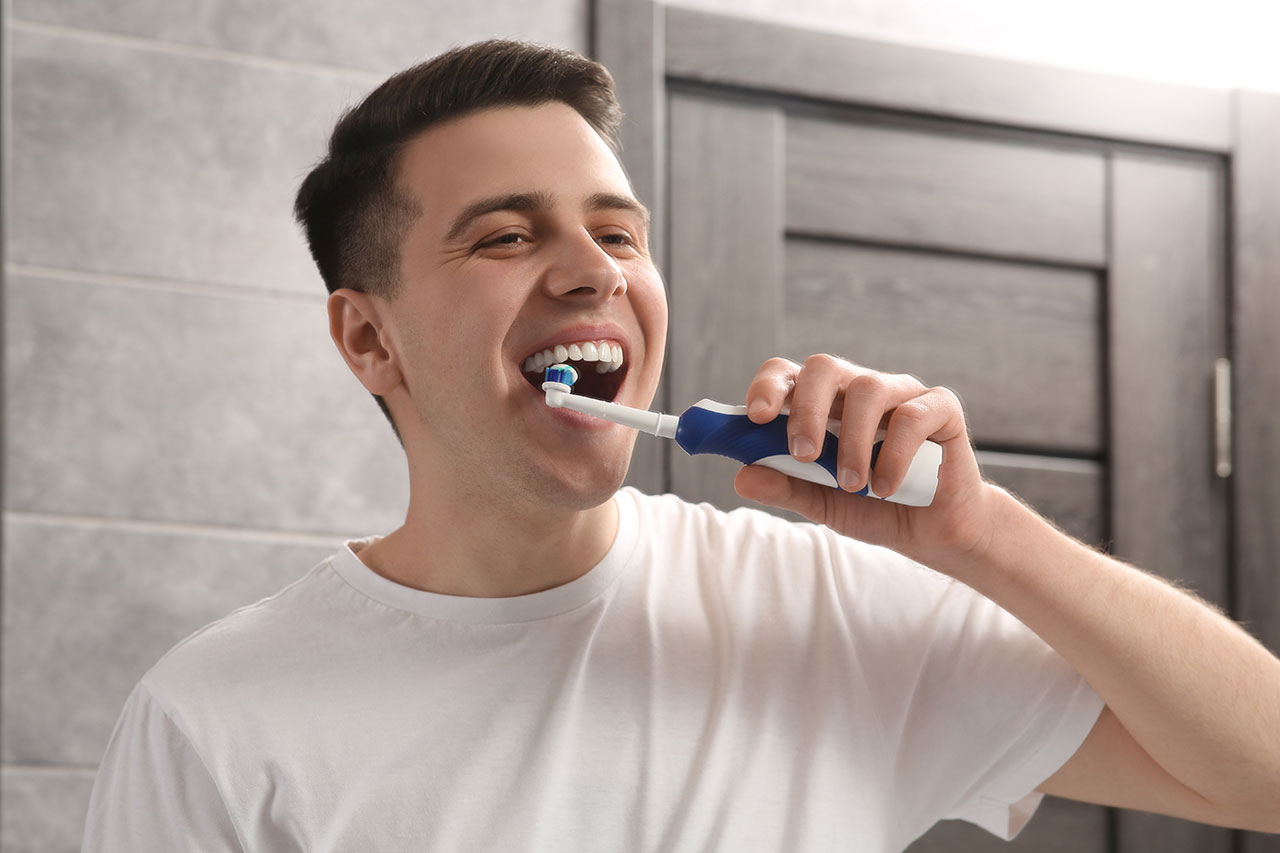
Many people do better with electrics because they encourage the right technique and timing. But the best brush is the one you’ll use twice a day. Soft bristles, gentle pressure, and consistency beat force every time.
Map out your next 12 months
Pick months you’re less busy—say January and July—and block your preventive dentistry visits now. Add a calendar reminder to replace your brush head every three months. Tiny systems keep your smile—and your whole-body health—steady.
Have questions about preventive dentistry or want a personalized plan? Reach out to Pine Ridge Dental on Wiles at (954) 906-3337 in Coral Springs, FL to Book an Appointment.

Related Posts