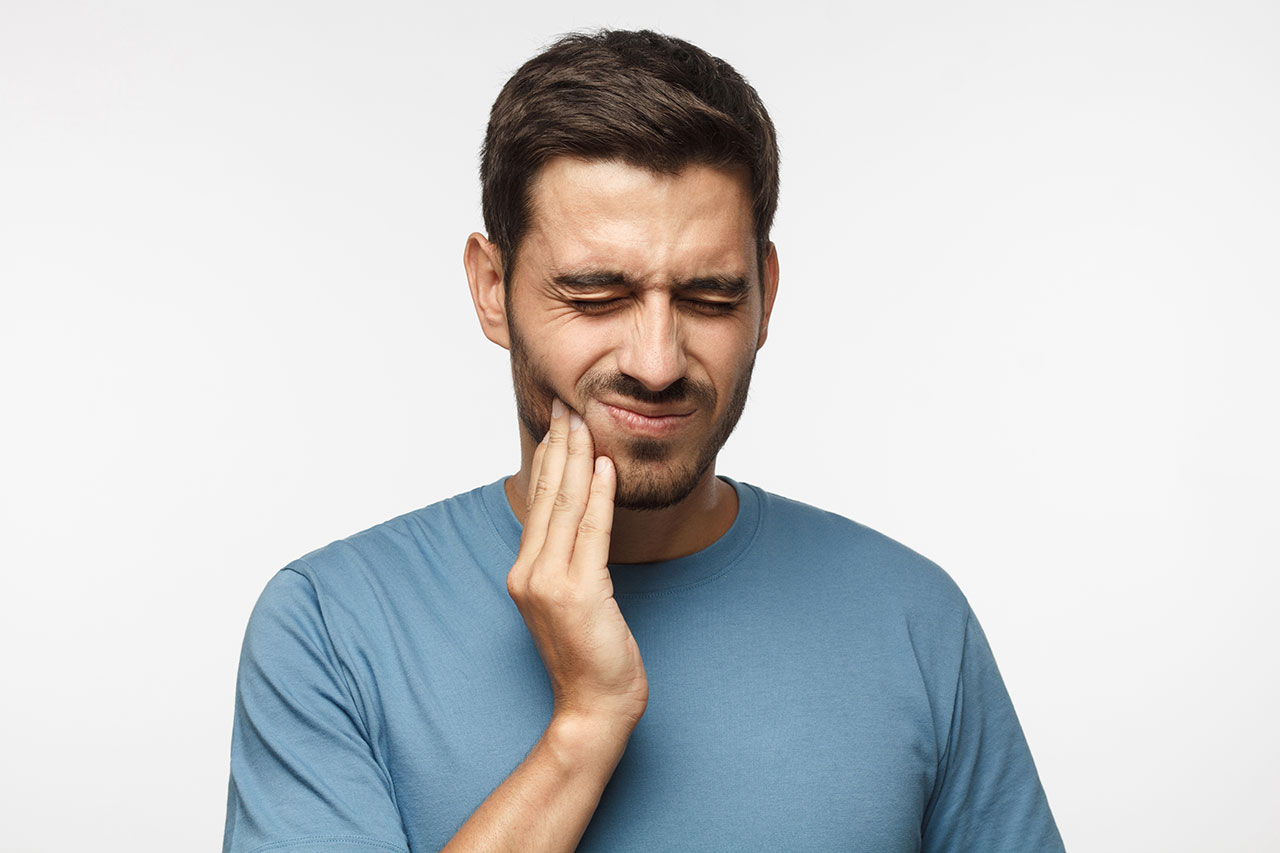
A dental emergency rarely arrives at a convenient moment. It can start as a sudden…

Dental Emergency Guide: What to Do Before You See an Emergency Dentist
Tooth pain doesn’t schedule itself. It crashes your lunch break, shows up before a flight, or starts pulsing right when you want sleep. In those first tense minutes, what you do—and what you avoid—can save a tooth, shorten healing, and lower stress. This practical playbook keeps you steady until you reach an emergency dentist.
Step one: calm, assess, and protect the area
Take a breath. Rinse gently with lukewarm water and look for the basics: bleeding, swelling, broken tooth, or a crown that’s popped off. Place clean gauze and hold steady pressure for 10–15 minutes if you’re bleeding. For swelling, rest a cold compress on your cheek for short intervals. Never place aspirin on the gums—it can burn tissue. If a filling or crown fell out, tuck it in a small container. That piece might make your repair faster and simpler.
Chipped or cracked tooth: smart moves that actually help
Small chips can wait a day; sharp edges can’t. Cover jagged spots with orthodontic wax or sugar-free gum so your tongue and cheek stay safe. If there’s a visible crack or it hurts to bite, avoid chewing on that side and call an emergency dentist promptly. Sensitivity that lingers to cold often means the inside of the tooth is irritated and needs timely care.
Knocked-out tooth: the “golden hour” really matters
Pick up the tooth by the crown (the white part), not the root. If it’s dirty, rinse for a second with milk or saline—don’t scrub. Try to place it back in the socket and bite softly on gauze. If that’s not possible, store the tooth in cold milk or an emergency preservation kit, not plain water. Time is critical; seeing an emergency dentist quickly gives the highest chance of saving the tooth.
Lost crown or filling: safe, short-term fixes
Clean the tooth and the crown carefully. Over-the-counter temporary dental cement can hold a crown in place for a day or two; follow the directions and skip sticky foods. For a lost filling, temporary material can seal the spot and reduce sensitivity until your visit. These are bandages—not the final fix—so schedule as soon as you can.
Toothache that won’t quit: what pain is trying to tell you
A deep throb usually points to nerve irritation from a cavity, a crack, or an abscess. Rinse with lukewarm salt water, take over-the-counter pain relief as directed, and avoid extreme temperatures. If you see swelling or a pimple-like bump on the gums, that can signal infection. Contact an emergency dentist—delays can turn a simple repair into something bigger.
Braces and soft-tissue injuries
A poking wire? Cover it with wax and call for a quick adjustment. For lip, gum, or cheek cuts, clean gently, apply pressure with gauze, and use a cold compress. If bleeding doesn’t slow after 15 minutes of firm pressure, it’s time for urgent help.
What not to do (even if a blog says otherwise)
Skip home “hacks” like peroxide rinses several times a day, aspirin on the tooth, or using glue on a broken device. Heat on swelling can worsen inflammation, so stick with cold compresses. And don’t test a loose tooth with your tongue—stabilize it and call.
When it’s an emergency—and when it’s urgent but not dire
Call an emergency dentist right away if you have a knocked-out tooth, uncontrollable bleeding, face swelling, severe pain with fever, or a suspected broken jaw. Chipped teeth without pain, a lost crown, or mild toothaches are urgent—aim to be seen soon—but you usually have a bit more time to plan.
Benefits of timely emergency care (based on professional guidance)
- Higher chance of saving teeth: Fast action and proper storage for avulsed teeth boost survival, emphasized in dental trauma guidelines and summaries used in general practice (American Association of Endodontists; ADA patient resources).
- Fewer complications: Early treatment of infections helps limit spread and preserves bone and soft tissue (ADA clinical guidance; NIDCR summaries).
- Lower overall cost and stress: Fixing problems before they escalate often means simpler procedures and shorter chair time—consistently reflected in ADA educational materials.
Building your home kit (makes the next hiccup easier)
A small pouch can be a big relief: clean gauze, a compact mirror, orthodontic wax, temporary cement, a tiny container with lid, saline, and the phone number of your emergency dentist. Add sugar-free gum and over-the-counter pain relief, and you’re ready for most surprises.
ER or emergency dentist—who should you see first?
If you’ve taken a hard hit and suspect a broken jaw, trouble breathing, uncontrolled bleeding, or high fever with facial swelling, go to the emergency room first. For most tooth-related problems—broken or knocked-out teeth, lost crowns, severe toothaches—an emergency dentist is the right first stop because they have the tools to numb, repair, and stabilize teeth on the spot.
Medications, allergies, and what to bring
Bring a quick list of meds and allergies. Mention blood thinners, heart issues, joint replacements, recent dental work, or pregnancy so your emergency dentist can plan safely.
X-rays during emergencies: why they matter
Quick, low-dose dental X-rays reveal cracks, abscesses, and hidden decay. If you’re pregnant, tell your emergency dentist—shielding is standard.
Kids, sports, and school mishaps
Falls and soccer collisions are common reasons families meet an emergency dentist. If a baby tooth is knocked out, don’t try to replant it—it can harm the developing adult tooth. Control bleeding with gauze and call. For permanent teeth in kids, follow the same “golden hour” guidelines as adults. And consider a custom mouthguard for future practices and games.
Aftercare basics you’ll likely hear
Stick to soft foods, chew on the opposite side, and brush gently around the area. Warm salt-water rinses soothe tissues. If a temporary repair is in place, treat it kindly until your follow-up.
How preventive care lowers the chance of emergencies
Most emergencies don’t happen in a vacuum. Regular exams catch cracks before they split, cleanings remove tartar that can irritate gums, and simple fixes like a new filling prevent weekend toothaches. A plan with an emergency dentist plus routine checkups is the best one-two punch for calm, predictable dental health.
Need guidance now or a same-day evaluation plan? Contact Pine Ridge Dental on Wiles in Coral Springs, FL at (954) 906-3337 to Schedule a Consultation with an emergency dentist.

Related Posts