Have you ever fixed a favorite book with a sturdy cover so the pages stay…
Dental Crowns In Coral Springs: How They Protect And Restore Damaged Teeth
A tooth does not have to be completely broken to need extra protection. Sometimes a large cavity, old filling, crack, or previous dental treatment can leave a tooth too weak to function safely on its own. In these situations, a dental crown can provide the coverage and support needed to restore the tooth while helping it remain useful for years to come. For patients considering Dental Crowns in Coral Springs, understanding when a crown may be recommended can make the treatment decision much easier.
Dental Crowns are custom restorations designed to cover a damaged or weakened tooth. They can restore the tooth’s shape, protect the remaining structure, and improve chewing function. Although crowns are often associated with major dental problems, they can also be part of a carefully planned treatment that prevents a weakened tooth from becoming an even larger concern.
What Are Dental Crowns?
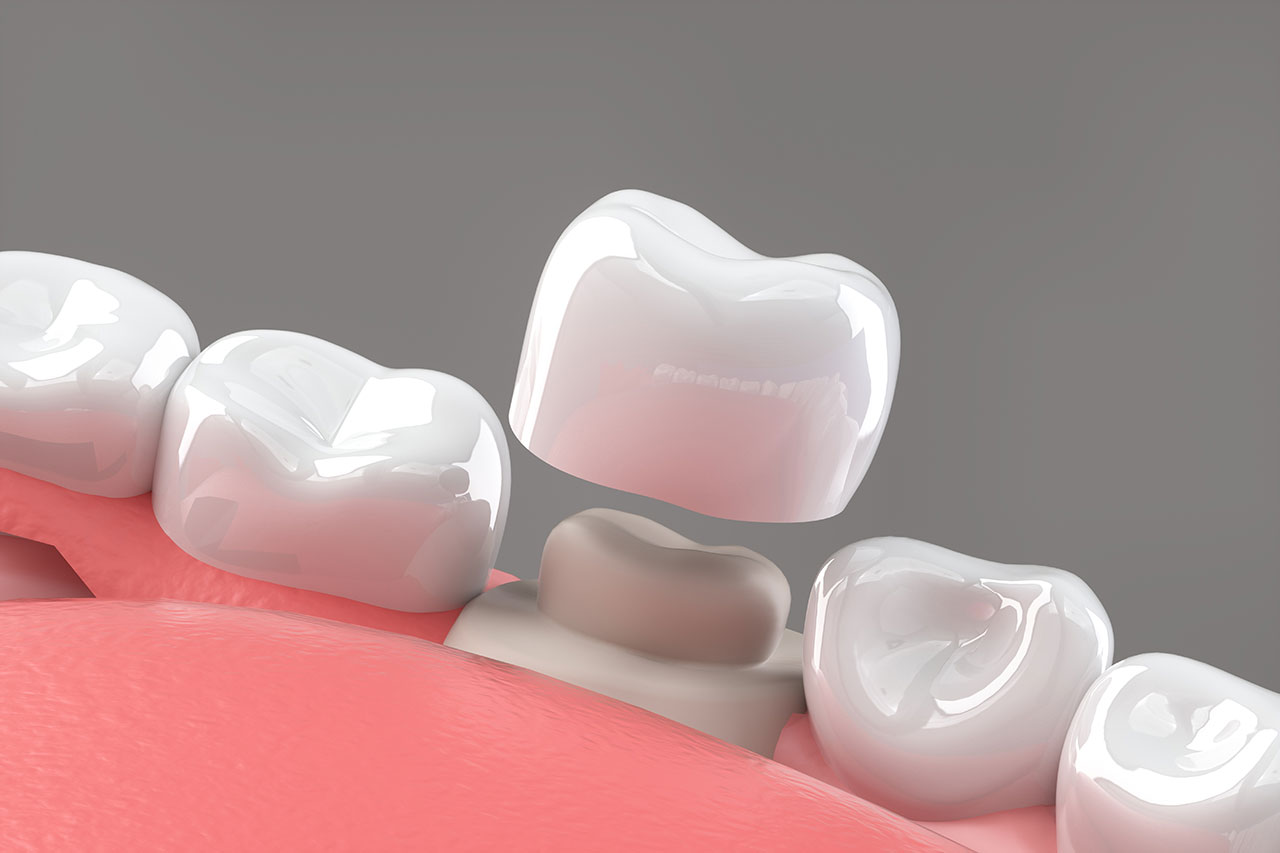
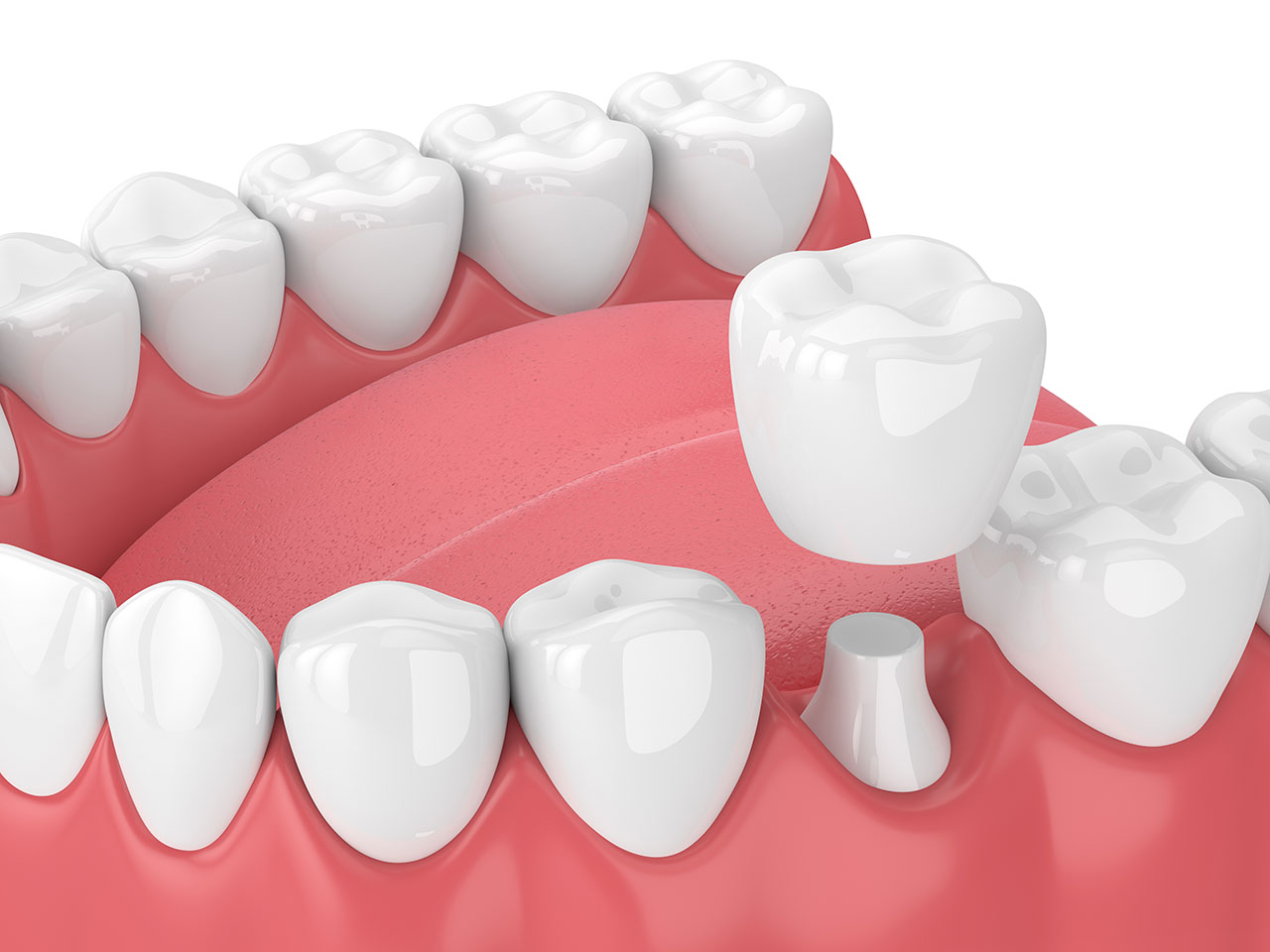
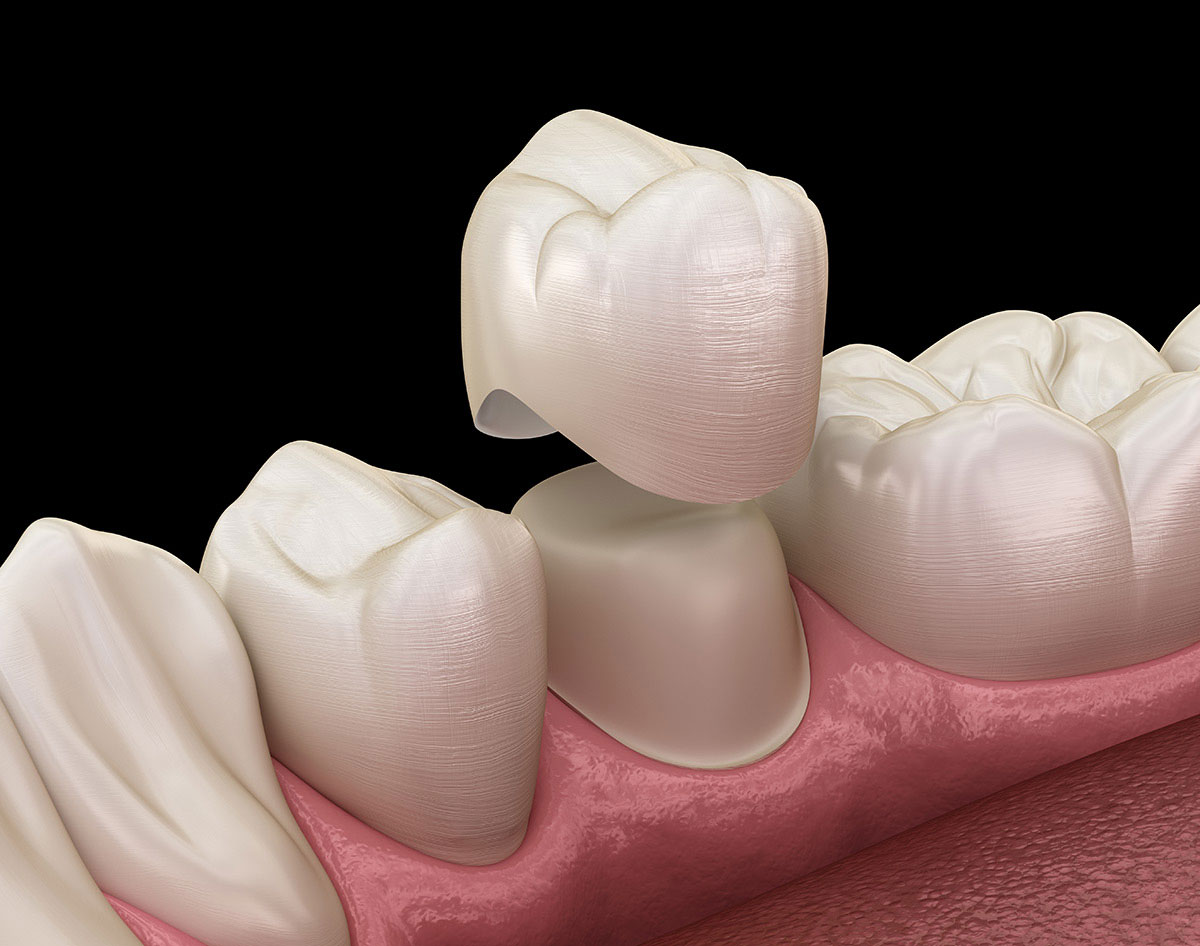
A dental crown is a tooth-shaped restoration that fits over a prepared tooth. It covers much of the visible portion of the tooth and is designed to restore its shape, strength, and function.
Dental Crowns may be made from materials such as porcelain, ceramic, metal, or combinations of materials. The appropriate choice depends on the location of the tooth, the amount of force it experiences, appearance goals, and other factors.
For visible teeth, appearance can be especially important. A tooth-colored crown can be designed to blend with neighboring teeth. For back teeth, strength and chewing forces may play a larger role in selecting the restoration.
Why A Tooth May Need A Crown
Teeth can become weakened for many reasons. A large cavity may remove too much natural structure for a simple filling to provide adequate support. A tooth can also crack, fracture, or become worn over time.
A tooth that has received root canal treatment may also require additional protection depending on the amount of remaining structure and its location. Without adequate support, a weakened tooth may be more vulnerable to further damage.
Dental Crowns can provide a protective covering that helps hold the remaining tooth structure together and restore the tooth to useful function.
Common reasons a crown may be considered include:
- A tooth with extensive decay
- A large or failing filling
- A cracked or significantly weakened tooth
- A tooth that has experienced substantial wear
- A tooth that needs protection after certain root canal treatments
- A tooth that requires significant structural restoration
- Certain cosmetic situations involving the shape or appearance of a tooth
Dental Crowns And Large Cavities
Small cavities can often be repaired with fillings. However, as decay becomes larger, more of the natural tooth may be lost. At some point, simply filling the space may not provide enough strength.
This is where Dental Crowns can become useful. Instead of filling only the damaged area, the crown covers the remaining tooth and provides broader protection.
The exact treatment depends on how much healthy tooth structure remains. Your dentist will evaluate the tooth carefully before recommending a crown. The goal is to select a restoration that is appropriate for the condition of the tooth rather than automatically choosing the most extensive option.
Dental Crowns After Root Canal Treatment
A root canal removes infected or damaged tissue from inside a tooth and allows the natural tooth to remain in place. Afterward, the tooth may need additional protection because a significant amount of internal structure may have been removed.
Depending on the tooth and the amount of remaining structure, Dental Crowns may be recommended to help restore its strength and function.
The crown does not replace the natural tooth. Instead, it works with the remaining tooth structure to create a durable restoration. This approach can allow patients to continue using their natural tooth rather than replacing it with a bridge, denture, or implant.
What Happens During The Dental Crown Process?
The process generally begins with an examination of the tooth. Your dentist will evaluate the amount of damage and determine whether a crown is appropriate.
If a crown is recommended, the tooth is prepared so the restoration can fit securely. Impressions or digital scans may be used to create the final crown. A temporary restoration may be placed while the permanent crown is being prepared.
Once the final crown is ready, the temporary restoration is removed and the permanent crown is evaluated for fit, shape, color, and bite. Adjustments can be made when necessary. Once everything is satisfactory, the crown is permanently secured to the tooth.
How Dental Crowns Restore Function
A damaged tooth may make chewing uncomfortable or cause you to avoid using one side of your mouth. A properly designed crown can restore the tooth’s shape and allow it to participate in normal chewing.
Restoring function is important because avoiding a tooth for too long can change how pressure is distributed throughout the mouth. A balanced bite helps teeth work together rather than forcing certain teeth to handle more pressure than others.
Dental Crowns are therefore not only about appearance. They can play an important restorative role when a tooth needs additional protection and support.
Dental Crowns And Natural Appearance
Modern crowns can be designed to look natural. Color, shape, size, and contour are considered when creating the restoration.
A crown should generally complement the surrounding teeth rather than appear disconnected from them. For front teeth, this can be especially important because even small differences in shape or color may be noticeable.
Patients should understand that the appearance of a crown also depends on the condition of the surrounding teeth. If neighboring teeth have significant discoloration or wear, additional cosmetic planning may be discussed.
How Long Can Dental Crowns Last?
The lifespan of Dental Crowns varies. Daily habits, oral hygiene, bite forces, the location of the tooth, and the material used can all affect longevity.
Good home care is important. Brush twice a day, clean between your teeth, and attend routine dental visits. Avoid using your teeth as tools and be cautious with extremely hard foods.
Patients who grind or clench their teeth may also need additional protection. A dental professional can determine whether a night guard or other strategy may be appropriate.
When A Crown May Not Be The Right Choice
Although Dental Crowns can restore many weakened teeth, not every damaged tooth can support one. If there is not enough healthy tooth structure remaining, another treatment may be needed.
In some situations, the tooth may be better treated with a filling. In others, a root canal may be needed before restoration. If a tooth cannot be saved predictably, extraction and replacement may be considered.
This is why a comprehensive examination is important. The goal is to understand the condition of the tooth before choosing the restoration.
Benefits of Dental Crowns
- Protect weakened teeth from additional damage
- Restore the shape and function of damaged teeth
- Can provide coverage for teeth with extensive decay
- May protect selected teeth after root canal treatment
- Can restore chewing function
- Can improve the appearance of damaged or heavily restored teeth
- Can be designed to blend with surrounding natural teeth
- May help preserve a natural tooth that might otherwise require removal
- Provide a durable restorative option when properly maintained
- Can be customized based on the location and needs of the tooth
Caring For A Tooth With A Crown
A crowned tooth still needs daily care. The crown itself does not develop decay, but the natural tooth around and underneath it remains vulnerable to bacteria and plaque.
Continue brushing twice a day and cleaning between your teeth. Pay attention to the gumline surrounding the crown and attend regular dental exams so your dentist can monitor the restoration.
If a crown ever feels loose, painful, unusually sensitive, or different when you bite, contact your dental office rather than waiting for the problem to worsen.
Frequently Asked Questions About Dental Crowns
Are Dental Crowns Only Used For Broken Teeth?
No. Dental Crowns may be recommended for teeth affected by extensive decay, large restorations, significant wear, cracks, or other structural concerns. They may also be used in selected cosmetic situations.
Will A Dental Crown Look Like A Natural Tooth?
Modern crowns can be designed to closely match surrounding teeth. Shade, shape, size, and contour are considered when planning the restoration.
Can I Eat Normally With A Dental Crown?
Once the permanent crown is properly placed and your dentist confirms that the bite is comfortable, it is generally designed to function with normal chewing. Good care and avoiding excessive force can help protect the restoration.
A Stronger Foundation For A Damaged Tooth
A weakened tooth does not always need to be removed. In many cases, the right restorative treatment can protect the remaining structure and return the tooth to useful function. Dental Crowns provide one of the most established ways to cover and protect a tooth that needs more support than a filling can provide.
If you have a damaged, heavily restored, or weakened tooth in Coral Springs, Pine Ridge Dental on Wiles can evaluate your options. Visit 9132 Wiles Rd, Coral Springs, FL 33065, or call (954) 906-3337 to Schedule a Consultation and learn whether a dental crown may be appropriate for your smile.

Related Posts