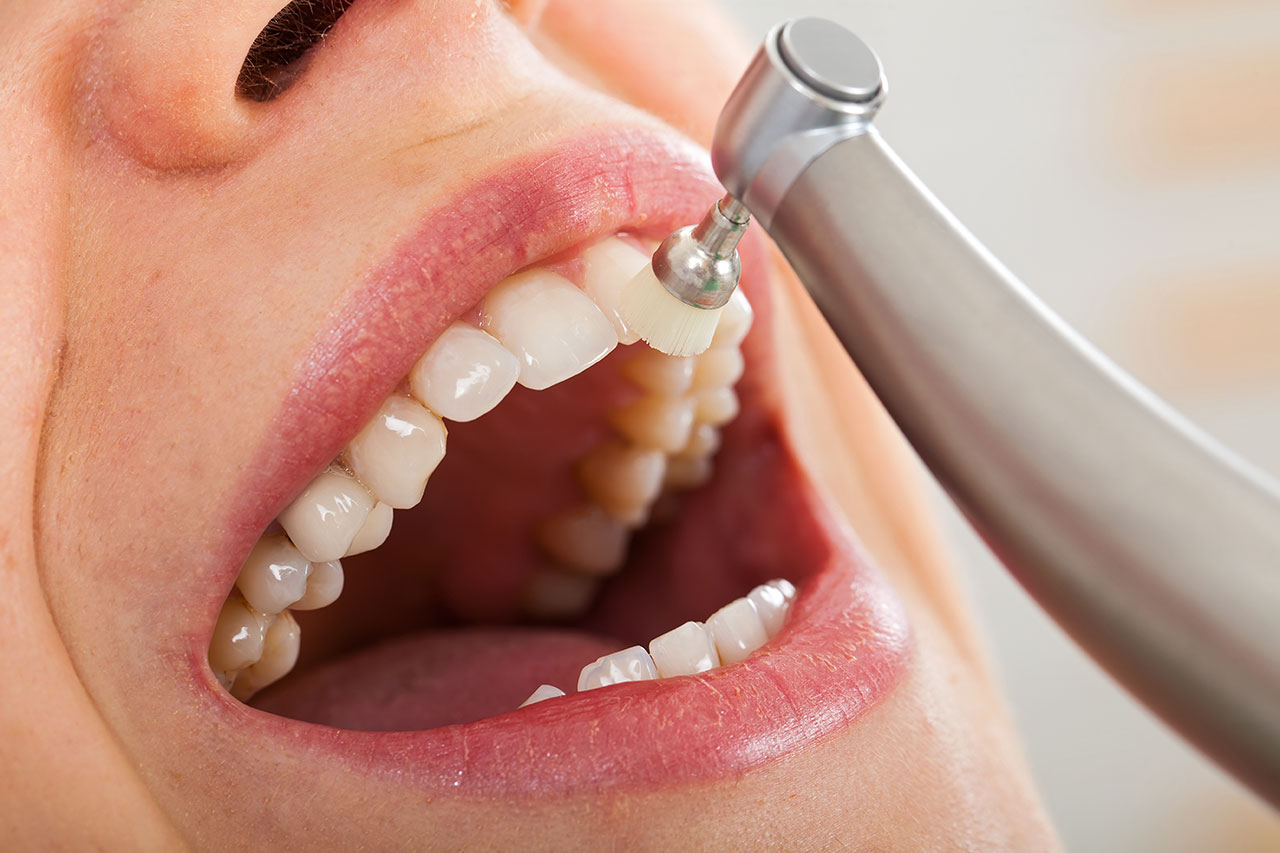
It is easy to think of a professional cleaning as just a quick polish that…
Cavities 101: What They Are and How Dental Exams Help You Avoid Them
A cavity might look small on a screen, but it’s a living process, not just a “hole.” The good news? With smart habits and regular dental exams, most cavities can be prevented—or caught when they’re tiny and easy to fix.
Cavities explained in everyday terms
Bacteria in plaque use sugars and starches as fuel and make acids as waste. Those acids pull minerals out of enamel. Saliva and fluoride try to put minerals back. When acid wins more often than saliva, an early weak spot forms. Once the surface collapses, a cavity appears. Dental exams find those changes before they turn into major repairs.
Why small cavities matter
Tiny cavities don’t stay tiny. They spread toward the nerve, and the tooth can ache to hot or cold. Left long enough, the bacteria can reach the pulp and a root canal or extraction may be needed. Regular dental exams and cleanings keep the timeline short and the fix simple.
Habits that stop decay in its tracks
- Brush twice daily for two minutes with a fluoride toothpaste.
- Clean between teeth every day—floss, interdental brushes, or a water flosser all count.
- Keep sweets and acidic drinks with meals; sip water between.
- Chew sugar-free gum after snacks to boost saliva.
- Schedule dental exams at a risk-based interval recommended for you.
Fluoride and sealants: small steps, big gains
Fluoride helps enamel reharden after acid attacks. Sealants are thin coatings placed on the biting grooves of molars to keep food and bacteria out. Kids benefit a lot, but adults with deep grooves can, too. At dental exams, your provider will suggest where these tools make sense.
Diet truths that matter
It’s not just what you eat; it’s how often. Grazing on crackers, sipping sweet tea, or nursing a sports drink extends the “acid time” in your mouth. Make treats part of meals and stick to water between. Rinse with water after citrus, coffee, or wine before brushing to protect enamel.
Dry mouth raises risk
Saliva is your natural defender, buffering acids and bathing teeth with minerals. If medications, vaping, or mouth breathing leave you dry, mention it during dental exams. Sipping water, using a dry-mouth rinse, and sometimes switching medications (with your physician) can help.
What happens during a dental exam
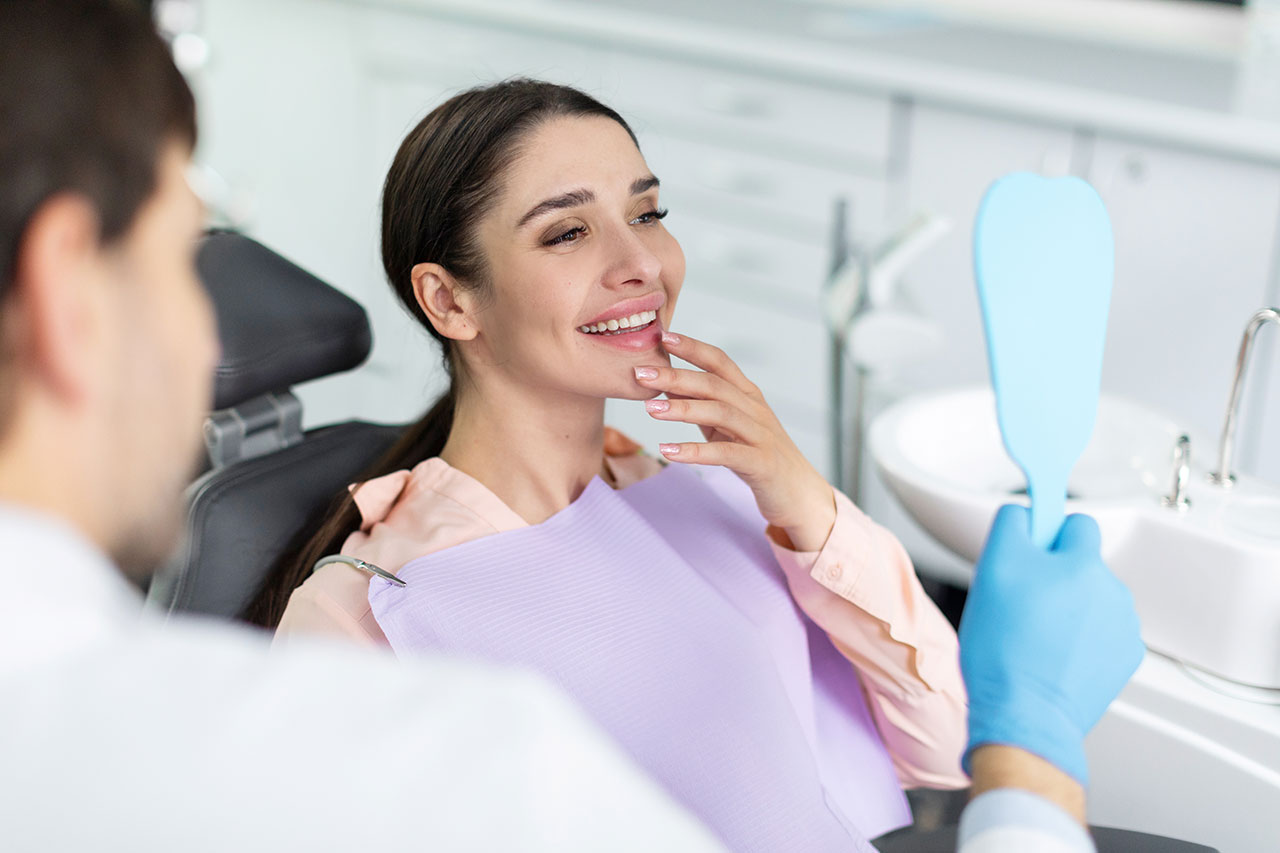
A typical visit looks simple but covers a lot. We review your health history, check gums and bite, and take X-rays when they’re likely to change your plan. Photos or a small camera let you see what we see. That clarity is a big part of why dental exams work—no mystery, just a clear plan based on what’s present today.
Benefits of regular dental exams (what professional groups highlight)
- Fewer and smaller cavities: Routine dental exams and cleanings identify risk early and remove tartar you can’t reach at home, emphasized by the ADA and CDC.
- Better overall health: Treating gum inflammation supports better diabetes control and pregnancy outcomes, according to reviews cited by the ADA and NIDCR.
- Early detection saves teeth: X-rays and careful checks catch cracks, infections, and enamel wear early, making treatment simpler.
Myths worth letting go
- “If nothing hurts, I’m fine.” Decay doesn’t hurt until it’s big. Dental exams are how you stay ahead.
- “Sugar-free drinks are always safe.” Some are acidic enough to soften enamel. Water is the safest between meals.
- “Brushing hard cleans better.” Gentle, frequent cleaning beats force—and protects gums.
Special situations to watch
- Kids and teens: New molars have deep grooves; sealants at dental exams protect them. Reminders matter—teens with aligners or braces trap more plaque and benefit from water flossers and fluoride rinses.
- Adults with busy schedules: Keep a travel kit in your bag. Even a quick brush after lunch shortens acid time.
- Older adults: Root surfaces can be exposed as gums recede and are more cavity-prone. Medications that dry the mouth increase risk; high-fluoride toothpaste can help.
Acid and pH—why spacing snacks helps
After a sugary or starchy snack, acids stay active for about 20–30 minutes. Constant sipping resets the clock. Give your mouth a break between exposures so saliva can restore a safer pH. That’s why dental exams often pair diet tips with cleanings—it’s all the same story.
Sports drinks, energy drinks, and “healthy” snacks
Many performance drinks are both sugary and acidic. Dried fruit, granola bars, and crackers stick to teeth. If you use these, keep them with meals and rinse with water. Your dental exams are a great time to talk through substitutes that still fuel your day.
Nighttime is high-risk time
Saliva flow drops while you sleep, which is why cavities on root surfaces often start near the gumline. Brush before bed and skip a final sugary snack. If reflux is an issue, coordinate with your physician; acid reaching the mouth can wear enamel and raise cavity risk.
FAQ: X-rays and safety
Dental X-rays use very low radiation, and protective shields are standard. They let your dentist see between teeth and under fillings. If you’re pregnant, let the team know—images are taken only when necessary and with extra precautions. The goal of dental exams is informed decisions, not more pictures.
Putting prevention on autopilot
Set two annual reminders for dental exams—for example, your birthday month and six months after. Keep floss in the shower if that’s when you remember best. Choose a fluoride toothpaste you like the taste of so you’ll actually use it. Small systems beat willpower every time.
The bottom line
Cavities are preventable for most people. With daily fluoride, cleaning between teeth, smart snacking, and regular dental exams, you can keep repairs small—or skip them altogether.
Want a straightforward plan to lower your cavity risk? Contact Pine Ridge Dental on Wiles at (954) 906-3337 in Coral Springs, FL to Schedule a Consultation for comprehensive dental exams.

Related Posts