When a tooth is lost, the jawbone beneath it may begin to shrink over time,…
Bone Grafting In Coral Springs: Building A Strong Foundation For Dental Implants
A missing tooth leaves more than an empty space. The bone that once supported the tooth can gradually change after tooth loss, which may make future tooth replacement more challenging. Fortunately, losing bone does not always mean that dental implants are off the table. Bone Grafting can sometimes help rebuild the foundation needed for implant treatment.
Bone Grafting is a procedure used to add bone material to an area where additional support may be needed. It is often considered as part of a dental implant treatment plan, although the need for grafting depends on the individual patient. For Coral Springs patients exploring tooth replacement, understanding why bone matters and what grafting involves can make the treatment process easier to understand.
Why Bone Matters After Tooth Loss
Natural teeth are held within the jawbone. The roots provide stimulation to the surrounding bone during normal chewing. When a tooth is removed or lost, that stimulation decreases, and the bone in the area can gradually change.
This process does not happen at exactly the same rate for everyone. The amount of bone change can depend on factors such as the location of the missing tooth, the length of time the tooth has been missing, infection, trauma, and individual healing patterns.
When a patient later considers dental implants, the amount and shape of available bone become important because the implant needs adequate support.
What Is Bone Grafting?
Bone Grafting involves placing grafting material in an area where additional bone volume is needed. The material acts as a framework that supports the body’s natural bone-building process.
Over time, the grafted area can develop stronger bone structure. The healing period depends on the location, size of the graft, overall health, and treatment plan.
Bone grafting is not automatically required before every dental implant. Some patients already have enough bone to support implant placement. Others may need additional support before the implant can be placed safely.
Why Someone May Need Bone Grafting
Several situations can contribute to reduced bone volume. Tooth loss is one of the most common reasons. Bone can also be affected by infection, trauma, certain dental conditions, or natural changes that occur over time.
A patient may have had a tooth removed years ago and only later decide to pursue an implant. During that time, the jawbone may have changed shape.
Bone Grafting can provide a way to address that deficiency rather than simply ruling out implant treatment.
Bone Grafting And Dental Implants
The connection between Bone Grafting and dental implants is straightforward. An implant needs sufficient bone support to remain stable.
If the bone is too thin or lacks adequate height in the planned location, the dentist may recommend grafting before implant placement. The graft is allowed to heal before the implant is placed or, in selected situations, the procedures may be performed together.
The timing depends on the patient’s anatomy and the type of grafting required.
What Happens During Bone Grafting?
The procedure begins with an examination and treatment planning. Dental imaging may be used to evaluate the existing bone and determine how much additional support may be needed.
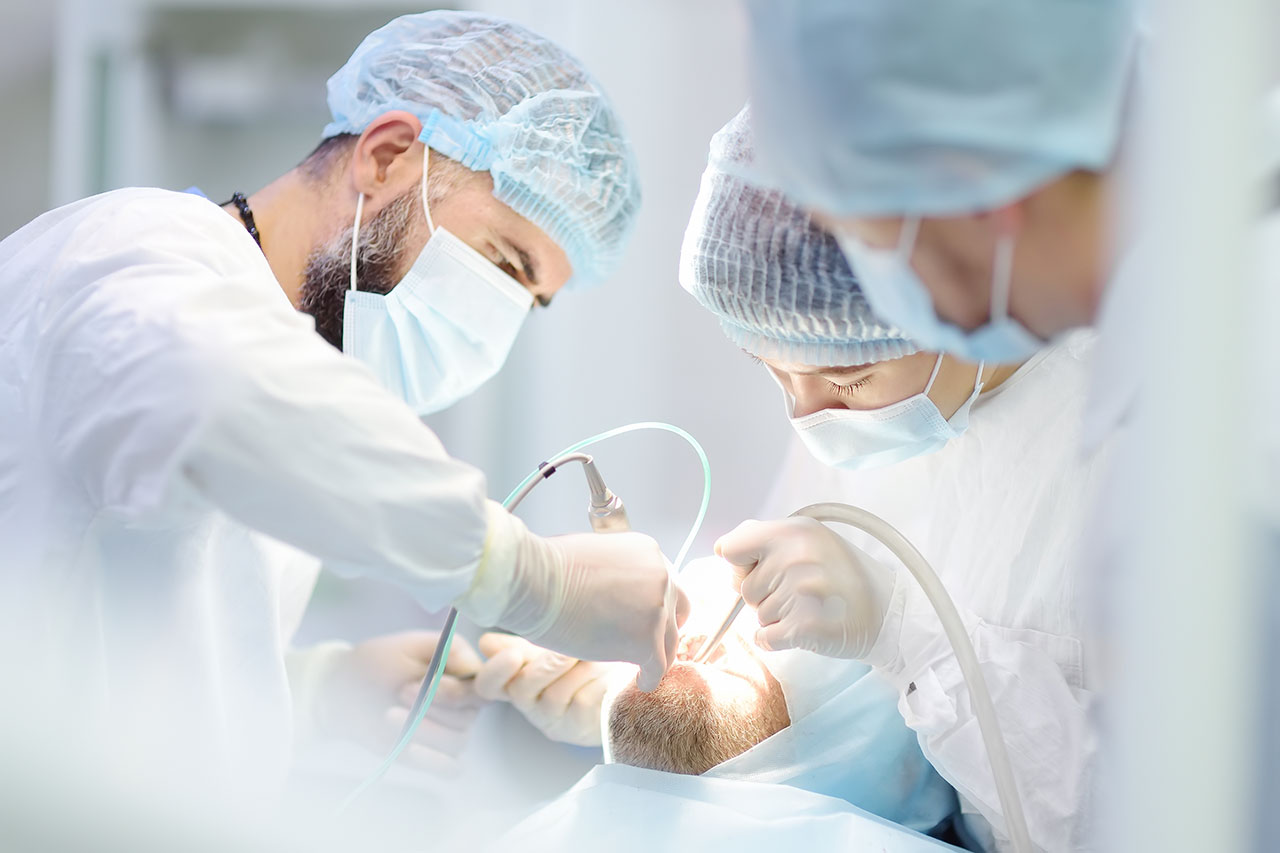
During the procedure, grafting material is placed in the area that needs additional bone support. The site is then protected so healing can begin.
Patients receive specific instructions for caring for the area during recovery. Following these instructions carefully helps protect the graft while the healing process takes place.
Where Does Bone Grafting Material Come From?
Several types of grafting materials can be used in dentistry. The appropriate material depends on the procedure and the patient’s needs.
Some graft materials come from human sources, while others may come from animal sources or synthetic materials. The dentist selects the appropriate option based on the treatment plan and the type of bone support required.
The material is not simply placed and left to do all the work. The body participates in the healing process by developing new bone within and around the grafted area.
How Long Does Bone Grafting Take To Heal?
Healing times vary depending on the size and location of the graft and the patient’s individual response to treatment.
A small graft may heal differently from a larger graft designed to rebuild a significant area of bone. Your dental provider will explain the expected timeline based on the procedure being performed.
Patience is important. The purpose of Bone Grafting is to create a stronger foundation, and that requires time for the tissues and bone to heal.
Does Bone Grafting Hurt?
During Bone Grafting, local anesthesia is used to keep the treatment area comfortable. Depending on the procedure and patient, additional comfort options may also be discussed.
After treatment, some soreness, swelling, or tenderness may occur. These symptoms generally improve as healing progresses.
Your dental team will provide aftercare instructions. Follow them closely and contact the office if you experience symptoms that seem unusual or significantly worsen.
Bone Grafting After Tooth Extraction
In some cases, grafting may be recommended around the time a tooth is removed. This approach can help preserve the shape and volume of the extraction area for possible future tooth replacement.
This does not mean every extraction requires a graft. The decision depends on the condition of the area and whether future implant placement or another treatment is being considered.
Discussing tooth replacement plans before extraction can help the dental team determine whether preserving the area is important.
Benefits of Bone Grafting
- Can increase bone volume in areas with insufficient support
- May help make dental implant treatment possible for selected patients
- Can provide additional structural support for future implant placement
- May help preserve the shape of an extraction site
- Can address bone changes associated with tooth loss
- May help create a more suitable foundation for tooth replacement
- Allows treatment planning to be customized to the patient’s anatomy
- Can expand tooth replacement options for some patients
- May help support a more stable long-term implant restoration
- Provides a way to address bone deficiency rather than automatically ruling out implants
What To Expect During Recovery
After Bone Grafting, protecting the treatment area is important. Your dental team may provide instructions about brushing, eating, physical activity, and other habits during the early healing period.
Soft foods may be easier to manage initially. Avoid disturbing the treatment area with your tongue or fingers. If you smoke or use tobacco products, ask your dental provider about how this may affect healing.
Keep follow-up appointments so the dental team can monitor the healing process.
Does Everyone Need Bone Grafting Before An Implant?
No. Many patients have enough bone to support an implant without a graft.
The only way to know whether Bone Grafting is necessary is through an individual evaluation. Dental imaging and an examination help determine the available bone and the planned implant position.
It is also possible that a different tooth replacement option may be more appropriate. A bridge or removable prosthesis may be considered depending on the patient’s situation.
Bone Grafting And Long-Term Planning
Bone grafting is often part of a larger treatment plan rather than a standalone procedure. The ultimate goal may be dental implant placement, but the treatment needs to be planned in stages.
This can be especially important when a tooth has been missing for a long time. Building the foundation first may provide a more predictable path toward implant placement later.
Good planning also gives patients a chance to understand the timeline and make informed decisions about each stage of care.
Frequently Asked Questions About Bone Grafting
Does Everyone Getting Dental Implants Need Bone Grafting?
No. Bone grafting is only recommended when additional bone support is needed for the planned implant treatment.
How Long Does Bone Grafting Take To Heal?
Healing time varies based on the location, size of the graft, and individual healing response. Your dental provider can give you a more specific estimate after evaluating your situation.
Can Bone Grafting Be Done At The Same Time As A Tooth Extraction?
In some cases, grafting can be performed during or around the time of extraction. The appropriate approach depends on the condition of the extraction site and future treatment plans.
Is Bone Grafting Only Used For Dental Implants?
Bone grafting is commonly associated with implant preparation, but the appropriate use depends on the dental situation and the area requiring additional bone support.
Creating A Better Foundation For Tooth Replacement
A lack of bone does not automatically mean that dental implants are impossible. Bone Grafting can provide a way to rebuild support in selected situations and create a stronger foundation for future tooth replacement.
If you have been told that you do not have enough bone for a dental implant, Pine Ridge Dental on Wiles can evaluate your options. Visit 9132 Wiles Rd, Coral Springs, FL 33067, or call (954) 906-3337 to Schedule a Consultation and discuss whether bone grafting may be part of your personalized treatment plan.

Related Posts