
Picture a house built on soft sand. No matter how beautiful the walls, the foundation…
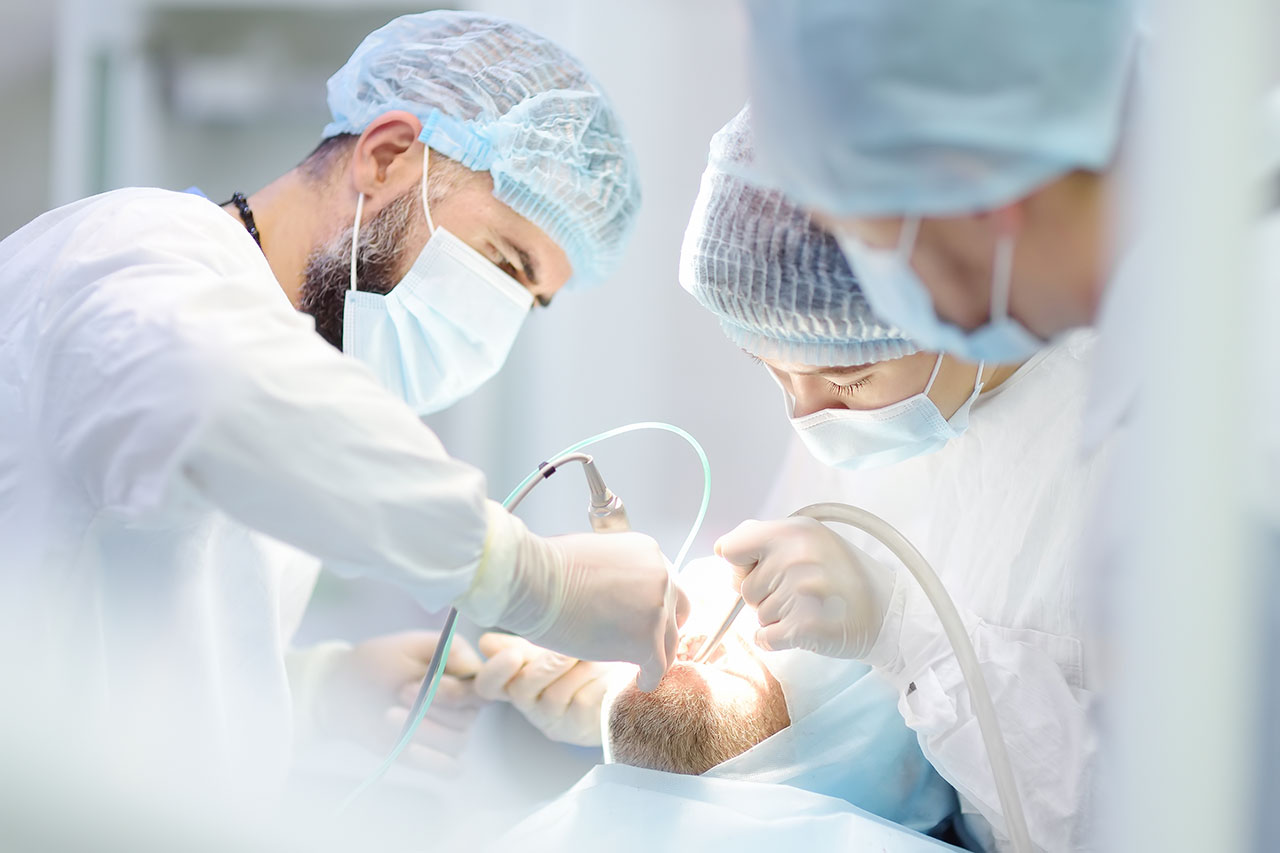
Bone Grafting: Building a Strong Foundation for Future Dental Implants
If you were constructing a house, you wouldn’t place the walls on soft sand—you’d pour a solid base. Bone grafting does the same thing for your teeth. When bone has thinned after tooth loss, infection, or trauma, bone grafting rebuilds the foundation so future treatments—especially dental implants—have the support they need. The process is far gentler than most people imagine, and the payoff can be life-changing.
What Bone Grafting Is (and Why It’s Used)
Simply put, bone grafting adds or preserves bone in areas where it’s thin or shrinking. After a tooth is removed, the socket often collapses and loses volume—most rapidly in the first few months. A small graft placed at the time of extraction (socket preservation) helps maintain height and width. If the space has been empty for a while, a ridge-augmentation bone grafting procedure can rebuild volume. In the upper back jaw, a sinus lift gently raises the sinus floor and adds bone, creating room for implants.
The goal of bone grafting isn’t just adding volume; it’s guiding your body to remodel and strengthen the area so it can support a tooth or implant long term.
Where Graft Material Comes From
Modern bone grafting materials are well-studied and safe. Options include:
- Autograft: Your own bone—often tiny amounts from a nearby site.
- Allograft: Donor bone processed to be sterile and biocompatible.
- Xenograft: Purified mineral from animal sources that acts like a scaffold.
- Alloplast: Synthetic materials designed to support bone growth.
These materials act as a framework while your body lays down new bone. Over time, the graft integrates with your bone and becomes part of you. A thin membrane may be used to protect the area and shape healing—a common technique called guided bone regeneration.
When Bone Grafting Is Recommended
- You’re planning dental implants and the site is too narrow or shallow.
- A recent extraction needs socket preservation to minimize collapse.
- Long-standing tooth loss left a visible dip in the ridge and you want a smoother contour for a bridge or denture.
- The sinus floor is low in the upper back jaw and a lift will create the height needed for stable implants.
Not everyone needs bone grafting, but when you do, it’s the difference between “maybe” and “let’s do this right.”
What the Appointment Is Like
For most patients, bone grafting is a comfortable, routine visit. You’ll be thoroughly numbed. We clean the area, place the graft, and stabilize it. If this is done with an extraction, it adds only a few extra minutes. For larger ridge-builds or sinus lifts, the appointment is a bit longer, and we’ll review your comfort options.
After bone grafting, you’ll leave with simple instructions: bite gently, avoid smoking or vaping during healing, skip straws, and keep the area clean with gentle rinsing. Some swelling and mild soreness are normal for a few days and respond well to over-the-counter relief.
Healing Timeline and Next Steps
Grafts heal in stages. Early on, your body stabilizes the material with new blood vessels. Over the next few months, that scaffold is replaced with your own bone. Smaller socket grafts often mature in 8–12 weeks; larger bone grafting procedures may take 4–6 months before they’re ready for an implant. We’ll check progress with exams and imaging and give you a clear “green light” when it’s time for the next step.
Risks and How We Minimize Them
Complications with bone grafting are uncommon and usually minor. The biggest risks are irritation if the area is rubbed or brushed too hard, or delayed healing if smoking continues. Infection is rare with good technique and home care. We’ll show you exactly how to clean around the site and what to avoid while it settles. If stitches are placed, they’re usually dissolvable or removed in a quick follow-up.
FAQs We Hear All the Time
- Is bone grafting painful? With numbing and after-care, most people describe mild soreness, not sharp pain.
- Will I look swollen? Some puffiness for a day or two is common, especially with sinus lifts. Ice packs help.
- Can I return to work? Many people do the next day for socket grafts; plan an extra day of rest for larger procedures.
- What about allergies? We select materials that are safe and biocompatible; let us know about sensitivities so we tailor your plan.
How Bone Grafting Helps Dentures and Bridges, Too
Even if you’re not getting an implant, bone grafting can smooth a ridge for more comfortable dentures or create a better contour under a bridge. Stable, well-shaped bone supports the gums, which support your prosthetic. Comfort goes up; sore spots go down.
Benefits of Bone Grafting (Supported by Professional Sources)
- Stable implant sites: Rebuilding bone improves implant placement and long-term success (American Academy of Periodontology—AAP; American Association of Oral and Maxillofacial Surgeons—AAOMS).
- Socket preservation works: Placing graft material at extraction helps conserve ridge dimensions, making later implants or bridges more predictable (periodontal and implant literature).
- Function and comfort: Adequate bone under dentures or fixed teeth improves fit and chewing, echoed in prosthodontic guidance.
Sources: AAP and AAOMS clinical statements; American College of Prosthodontists summaries; peer-reviewed reviews on ridge preservation and sinus augmentation.
Bringing It All Together
Strong teeth need strong support. Bone grafting is a practical, proven way to rebuild that support so your next step—an implant, a bridge, or a steadier denture—has the best chance to last. The procedure is straightforward, healing is predictable, and the results are worth it.
Curious whether bone grafting could set you up for success? Call Pine Ridge Dental on Wiles at (954) 906-3337 or visit 9132 Wiles Rd, Coral Springs, FL 33065 to schedule a consultation and map out a plan that fits your goals.

Related Posts