
Losing a tooth can affect more than appearance. It may impact chewing, speaking, and the…
Dental Implants In Coral Springs: How They Replace Missing Teeth And Restore Function
A missing tooth can change more than the way a smile looks. It can affect how food is chewed, how nearby teeth come together, and how confident you feel about everyday activities. Fortunately, modern tooth replacement offers several options. Dental Implants are one approach designed to replace a missing tooth with a restoration supported by an implant in the jaw.
Dental Implants are different from traditional removable dentures and traditional bridges because they are designed to replace the root portion of a missing tooth as well as the visible crown. For appropriate patients, this can provide a stable foundation for a replacement tooth and support everyday chewing. Understanding the process can help Coral Springs patients determine whether implants are worth discussing with a dental professional.
What Are Dental Implants?
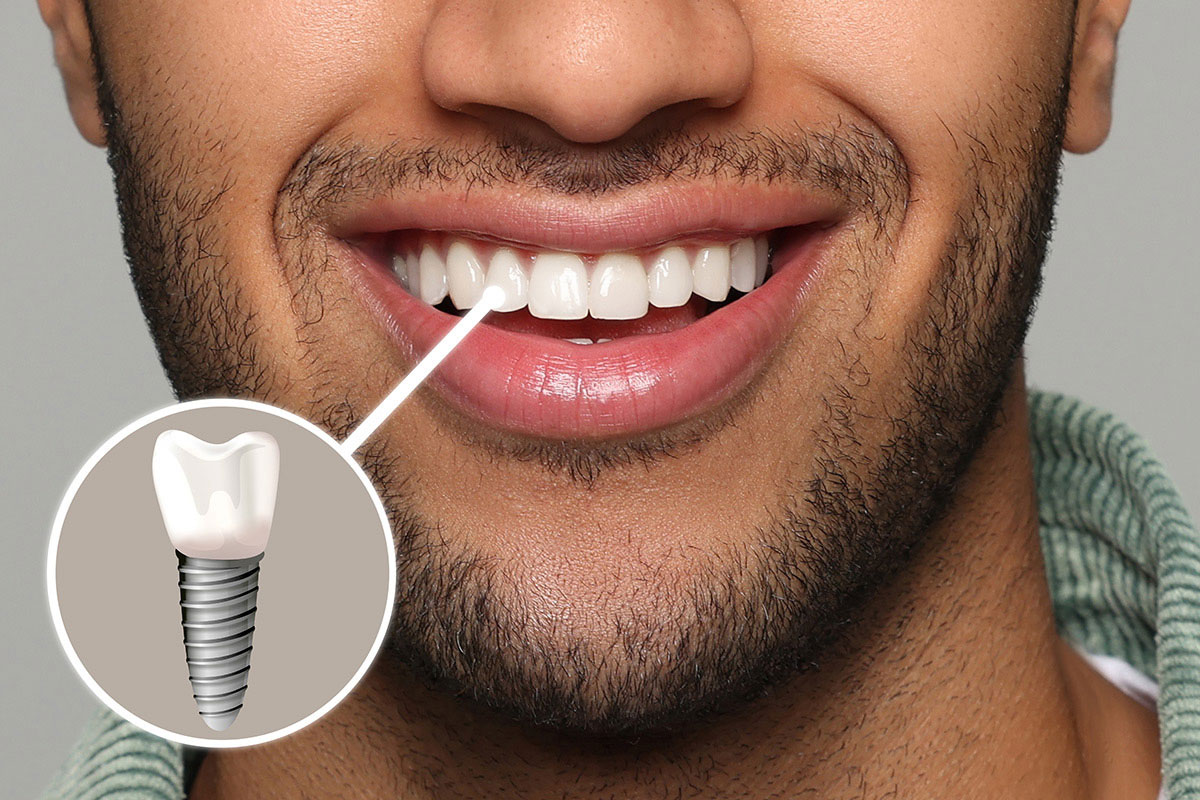
A dental implant is a small post placed into the jawbone to serve as a foundation for a replacement tooth. After the implant has healed and integrated with the surrounding bone, a connector and dental crown can be attached to complete the restoration.
Dental Implants can be used to replace a single missing tooth, several missing teeth, or support certain types of implant-supported dentures.
The final result is designed to function as part of the dental system. The visible crown is shaped and colored to complement the surrounding teeth.
Why Replacing A Missing Tooth Matters
A missing tooth leaves an open space. Depending on its location, that space can affect chewing and may allow neighboring teeth to shift over time.
The jawbone also responds to tooth loss. The bone surrounding a natural tooth receives stimulation from the tooth’s normal function. When the tooth is gone, the area can gradually change.
Dental Implants are designed to replace the root portion of the missing tooth, which is one reason they are different from options that simply replace the visible crown.
How Dental Implants Replace A Single Tooth
When one tooth is missing, a dental implant can provide an independent foundation for the replacement tooth.
This differs from a traditional bridge, which generally relies on neighboring teeth for support. With an implant, the adjacent teeth do not need to serve as the anchors for the replacement tooth.
The implant is placed into the jawbone and allowed to heal. Once the area has healed appropriately, the final restoration can be attached.
This process takes time, but the goal is to create a stable foundation that functions as part of the mouth.
What Happens Before Implant Placement?
Planning is one of the most important parts of Dental Implants. Before treatment, the dentist evaluates the gums, teeth, jawbone, bite, and overall oral health.
Dental imaging may be used to examine the bone and determine whether there is enough suitable structure to support the implant.
If there is insufficient bone, a bone grafting procedure may sometimes be recommended before implant placement. This gives the area time to develop a stronger foundation before the implant is inserted.
Other dental problems may also need treatment first. Active gum disease, untreated decay, or an unhealthy neighboring tooth can affect the overall treatment plan.
The Dental Implant Process
The implant process can involve several stages. First, the implant is placed into the jawbone. The area then needs time to heal and allow the implant to integrate with the bone.
After healing, the next stage involves connecting the implant to the replacement crown. The crown is designed to fit the space and complement the surrounding teeth.
The timeline varies from patient to patient. Factors such as bone health, healing, the need for additional procedures, and the location of the missing tooth can influence the schedule.
Dental Implants And Natural Appearance
A dental implant itself is not the part people see when they smile. The visible portion is the replacement crown.
The crown can be customized to match the surrounding teeth. Its shape, size, color, and position all contribute to the final appearance.
For a front tooth, careful cosmetic planning is especially important. The restoration should complement the surrounding teeth and fit naturally within the smile.
Dental Implants And Chewing Function
Replacing a missing tooth can make everyday chewing more balanced. A stable replacement allows the patient to use the treated area rather than relying entirely on other parts of the mouth.
Dental Implants are designed to provide stability because the implant is anchored within the jawbone. Once the restoration has been completed and the dentist confirms that it is functioning properly, patients can use it for normal daily activities.
It is still important to avoid treating an implant restoration like a tool. Biting extremely hard objects can damage natural teeth and dental restorations alike.
Dental Implants Versus Dental Bridges
Both implants and bridges can replace missing teeth, but the supporting structures are different.
A traditional bridge uses neighboring teeth as supports. An implant is designed to stand independently within the jawbone.
A bridge may be appropriate when neighboring teeth already require crowns or when another treatment consideration makes a bridge preferable. An implant may be appealing to patients who want an independent tooth replacement.
The right choice depends on the condition of the teeth and bone, overall oral health, treatment preferences, and long-term goals.
Dental Implants And Bone Grafting
Healthy bone is important for implant stability. Some patients lose bone volume after a tooth has been missing for an extended period. Bone can also be affected by infection, trauma, or other conditions.
When there is not enough bone for an implant in the planned position, bone grafting may be recommended.
The grafting procedure gives the body a foundation to rebuild bone in the area. Once healing is complete, the implant can be evaluated for placement.
Benefits of Dental Implants
- Replace missing teeth with a stable restoration
- Can replace a single missing tooth without relying on neighboring teeth for bridge support
- Restore chewing function
- Can provide a natural-looking tooth replacement
- Replace both the visible tooth and root foundation
- Can support certain implant-supported dentures
- Can help maintain a more complete dental arch
- Can be designed to blend with surrounding teeth
- Provide a long-term tooth replacement option for appropriate patients
- Can become part of a comprehensive plan for restoring oral function
Caring For Dental Implants
Dental Implants require daily care just like natural teeth. Brush twice a day and clean around the implant restoration according to your dental team’s instructions.
Regular dental visits are also important. Your dentist can monitor the implant, surrounding gums, neighboring teeth, and overall oral health.
Although the implant itself cannot develop a cavity, the surrounding gum and bone tissues still need protection from plaque and inflammation.
Who May Be A Candidate?
Patients who are missing one or more teeth and have adequate oral health may be candidates for Dental Implants. However, candidacy is determined through an individual evaluation.
Bone levels, gum health, medical history, smoking habits, oral hygiene, and other factors may influence the treatment plan.
If additional treatment is needed first, that does not necessarily mean implants are impossible. It may simply mean that the mouth needs to be prepared before implant placement.
Frequently Asked Questions About Dental Implants
Are Dental Implants Permanent?
Dental implants are designed as a long-term tooth replacement option. Their longevity depends on factors such as oral hygiene, bite forces, overall health, and professional maintenance.
Can Dental Implants Replace One Missing Tooth?
Yes. A single implant can support a replacement crown when the patient has suitable bone and oral health.
Do Dental Implants Require Bone Grafting?
Not everyone needs bone grafting. It may be recommended when there is not enough suitable bone to support an implant in the planned location.
How Do I Care For A Dental Implant?
Brush, clean between your teeth, follow professional instructions, and attend regular dental visits. Your dentist can recommend specific cleaning methods for your implant restoration.
A Stable Option For Replacing A Missing Tooth
Missing teeth can affect everyday life, but patients have more replacement choices than ever. Dental Implants provide a stable approach that replaces the missing tooth root and supports a customized replacement crown.
If you are considering Dental Implants in Coral Springs, Pine Ridge Dental on Wiles can evaluate your oral health, bone support, and replacement options. Visit 9132 Wiles Rd, Coral Springs, FL 33067, or call (954) 906-3337 to Schedule a Consultation and learn whether dental implants may be right for you.

Related Posts