Think about a sturdy footbridge that reconnects two paths so you can keep walking without…
Dental Bridges In Coral Springs: A Practical Solution For Replacing Missing Teeth
A missing tooth can create more than an empty space in a smile. Over time, nearby teeth may shift, chewing can become less balanced, and the surrounding area may become harder to keep clean. A Dental Bridge can fill that space with a fixed restoration designed to restore function and appearance.
Dental Bridges have been used for many years to replace missing teeth. They are designed to connect replacement teeth to supporting teeth, creating a restoration that remains in place rather than being removed for daily use. For patients in Coral Springs, a bridge may provide a practical option when replacing one or more missing teeth is part of a larger restorative treatment plan.
What Is A Dental Bridge?
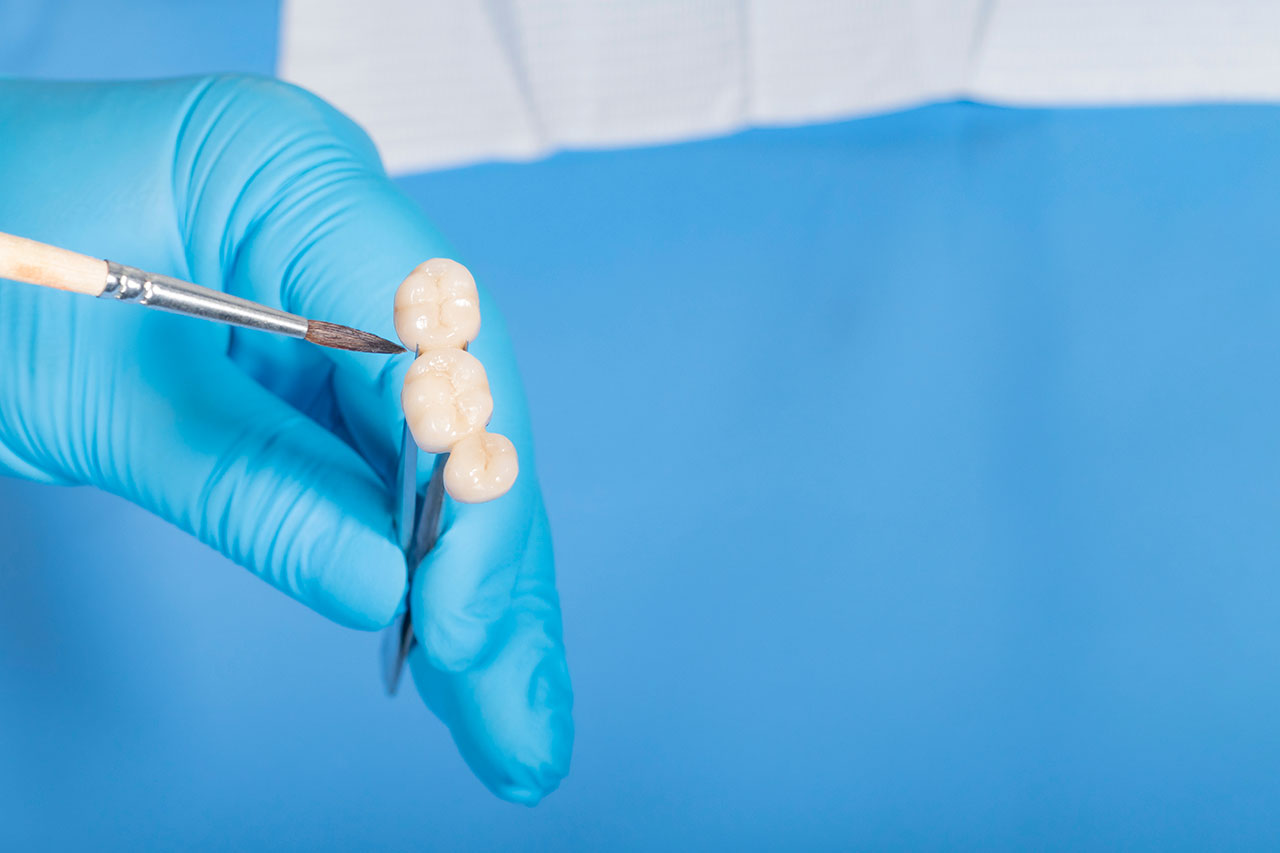
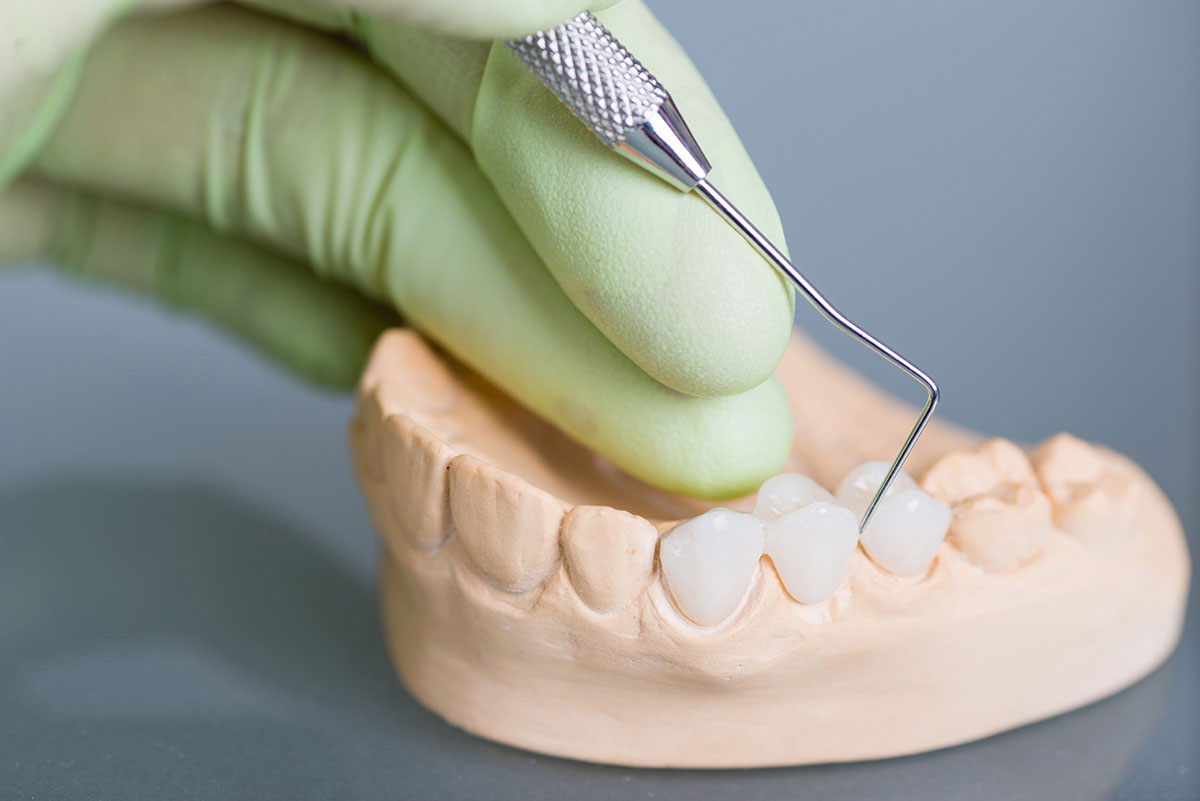
A dental bridge is a fixed restoration designed to replace one or more missing teeth. The replacement tooth, sometimes called a pontic, sits in the space left by the missing tooth. Depending on the type of bridge, the restoration is supported by neighboring teeth or other structures.
Dental Bridges can be made from different materials, including porcelain-based materials and combinations designed to provide strength and a natural appearance. The specific design depends on the location of the missing tooth, the condition of the surrounding teeth, and the patient’s treatment needs.
Why Replace A Missing Tooth?
Some people assume that a single missing tooth does not need to be replaced, especially if it is not visible when smiling. However, missing teeth can affect more than appearance.
A missing tooth can change how pressure is distributed when chewing. Nearby teeth may gradually move into the open space. The opposing tooth may also shift because it no longer contacts another tooth in the same way.
Replacing a missing tooth with Dental Bridges can help restore a more balanced arrangement and support everyday chewing function.
How Dental Bridges Work
A traditional bridge is supported by teeth located next to the space. These supporting teeth are prepared to receive crowns that are connected to the replacement tooth.
The bridge is then permanently secured in place. Unlike a removable partial denture, a fixed bridge stays in the mouth during normal eating and speaking.
The design of Dental Bridges varies depending on the location and number of missing teeth. Your dentist will evaluate the surrounding teeth and supporting structures before recommending a specific design.
Who May Be A Candidate For Dental Bridges?
Dental Bridges may be considered for patients who are missing one or more teeth and have suitable supporting structures. The teeth used to support a traditional bridge need to be healthy and strong enough to handle the additional responsibility.
Patients with significant decay, severe gum disease, or weakened supporting teeth may need treatment before a bridge can be considered.
A bridge may also not be the best option for every missing tooth. Dental implants can replace a missing tooth without relying on neighboring teeth for support, while partial dentures offer another removable approach.
The best treatment depends on your oral health, anatomy, goals, and long-term priorities.
Dental Bridges And Chewing Function
One of the main goals of replacing a missing tooth is restoring useful function. When a tooth is missing, you may naturally begin chewing on the opposite side of your mouth.
Over time, this can place more demand on the teeth on that side. A properly designed bridge can restore a replacement tooth to the open space and help distribute chewing forces more evenly.
Dental Bridges are designed to feel like part of the existing dental structure once you become accustomed to them. Most patients require an adjustment period as the tongue and cheeks become familiar with the restoration.
Dental Bridges And Appearance
When a missing tooth is visible, appearance can be a major consideration. A bridge can replace the visible portion of the tooth and help restore a complete-looking smile.
The replacement tooth can be designed to complement the shade, shape, and size of neighboring teeth. This creates a more balanced appearance rather than simply placing an artificial tooth into the space.
Even when the missing tooth is farther back in the mouth, appearance still matters because the restoration should fit naturally with the surrounding teeth.
What Happens During The Dental Bridge Process?
The process starts with an examination of the missing tooth area and the surrounding teeth. Your dentist will evaluate the supporting teeth, gums, bite, and available space.
If a traditional bridge is appropriate, the supporting teeth are prepared to receive crowns. Impressions or digital scans are then used to create the restoration.
A temporary restoration may be used while the permanent bridge is being made. At the final appointment, the bridge is evaluated for fit, appearance, and bite before it is permanently secured.
Careful planning is important because the bridge needs to function comfortably while also protecting the supporting teeth.
Dental Bridges Versus Dental Implants
Both Dental Bridges and dental implants can replace missing teeth, but they work differently.
A traditional bridge uses neighboring teeth for support. This can make treatment relatively direct in selected situations, particularly when the supporting teeth already need crowns.
A dental implant replaces the tooth root with an implant placed in the jawbone. The visible replacement tooth is then attached to the implant. Because the implant is independent, neighboring teeth do not need to be reshaped solely to support the replacement tooth.
The choice depends on bone health, gum health, the condition of surrounding teeth, treatment preferences, timeline, and other factors. A dental evaluation can help determine which approach makes sense.
Taking Care Of Dental Bridges
Even though a bridge is artificial, the supporting teeth and surrounding gums remain natural and require daily care.
Brush twice a day and clean carefully around the bridge. Special flossing tools or other cleaning methods may be recommended to help reach underneath the replacement tooth.
Routine dental visits are also important. Your dentist can check the bridge, supporting teeth, gums, and bite to make sure everything remains healthy.
How Long Can Dental Bridges Last?
The lifespan of Dental Bridges varies based on oral hygiene, chewing forces, the condition of supporting teeth, the type of bridge, and everyday habits.
A bridge can last for many years when properly maintained, but it may eventually need repair, replacement, or adjustment. Good oral hygiene and regular dental visits can help extend its useful life.
Benefits of Dental Bridges
- Replace one or more missing teeth
- Restore chewing function
- Help fill an unwanted space in the smile
- Can support a more balanced bite
- Remain fixed in place during normal daily activities
- Can be designed to blend with surrounding teeth
- May help prevent nearby teeth from shifting into an open space
- Can restore a more complete appearance to the smile
- Provide a tooth replacement option when appropriate supporting teeth are available
- Can be incorporated into a broader restorative treatment plan
What If The Supporting Teeth Need Treatment?
Sometimes the teeth that would support a bridge have their own dental concerns. If a supporting tooth has decay or gum problems, those issues may need to be addressed before the bridge is placed.
This is one reason a comprehensive examination is important. The goal is not simply to close the visible gap. The supporting foundation must also be healthy enough to provide long-term stability.
Frequently Asked Questions About Dental Bridges
Are Dental Bridges Removable?
Traditional fixed Dental Bridges are designed to remain in place during normal daily activities. They are different from removable partial dentures.
Can A Dental Bridge Replace More Than One Tooth?
Yes. Depending on the situation, a bridge can replace more than one adjacent missing tooth. The supporting structures must be evaluated to determine whether that design is appropriate.
How Do I Clean Under A Dental Bridge?
Cleaning underneath the replacement tooth is important. Your dentist or hygienist can recommend flossing methods or special cleaning tools based on your bridge design.
Restoring The Space Left By A Missing Tooth
A missing tooth does not have to remain an open space forever. Dental Bridges can provide a fixed replacement that restores chewing function and creates a more complete appearance. The key is choosing a treatment that fits the condition of your surrounding teeth and your long-term oral health goals.
If you are considering Dental Bridges in Coral Springs, Pine Ridge Dental on Wiles can evaluate your smile and explain your tooth replacement options. Visit 9132 Wiles Rd, Coral Springs, FL 33065, or call (954) 906-3337 to Book an Appointment and discuss whether a dental bridge may be right for you.

Related Posts