Have you ever fixed a favorite book with a sturdy cover so the pages stay…

Crowns Vs. Onlays: Protecting Weakened Teeth Without Over-Treating
The Dilemma Of A Damaged Tooth
A big old filling cracked. A corner of your molar broke off. Now you’re wondering: do you really need a full crown, or is there a more conservative option? Enter the onlay—sometimes called a “partial crown.” Understanding when each is appropriate helps you protect your tooth while preserving as much natural structure as possible.
What Is A Dental Crown?
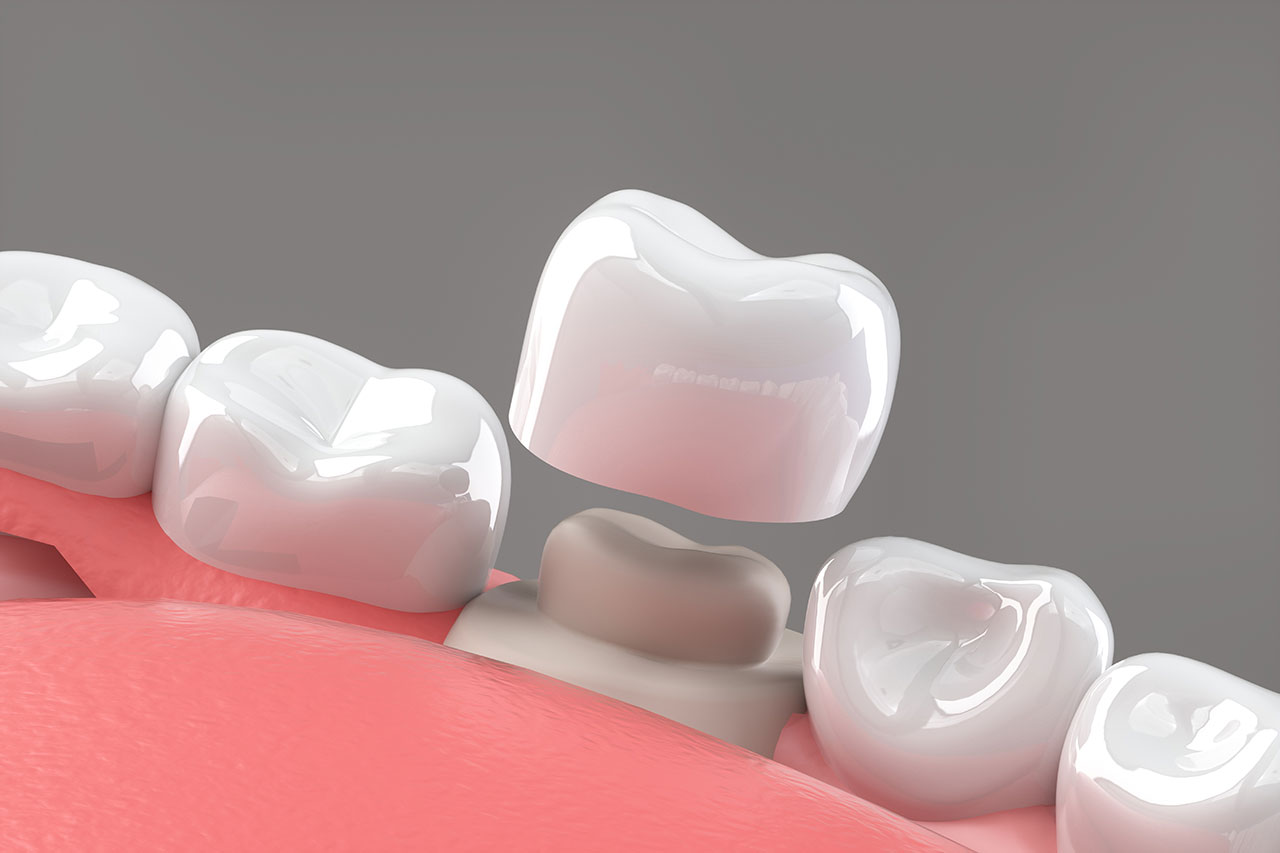
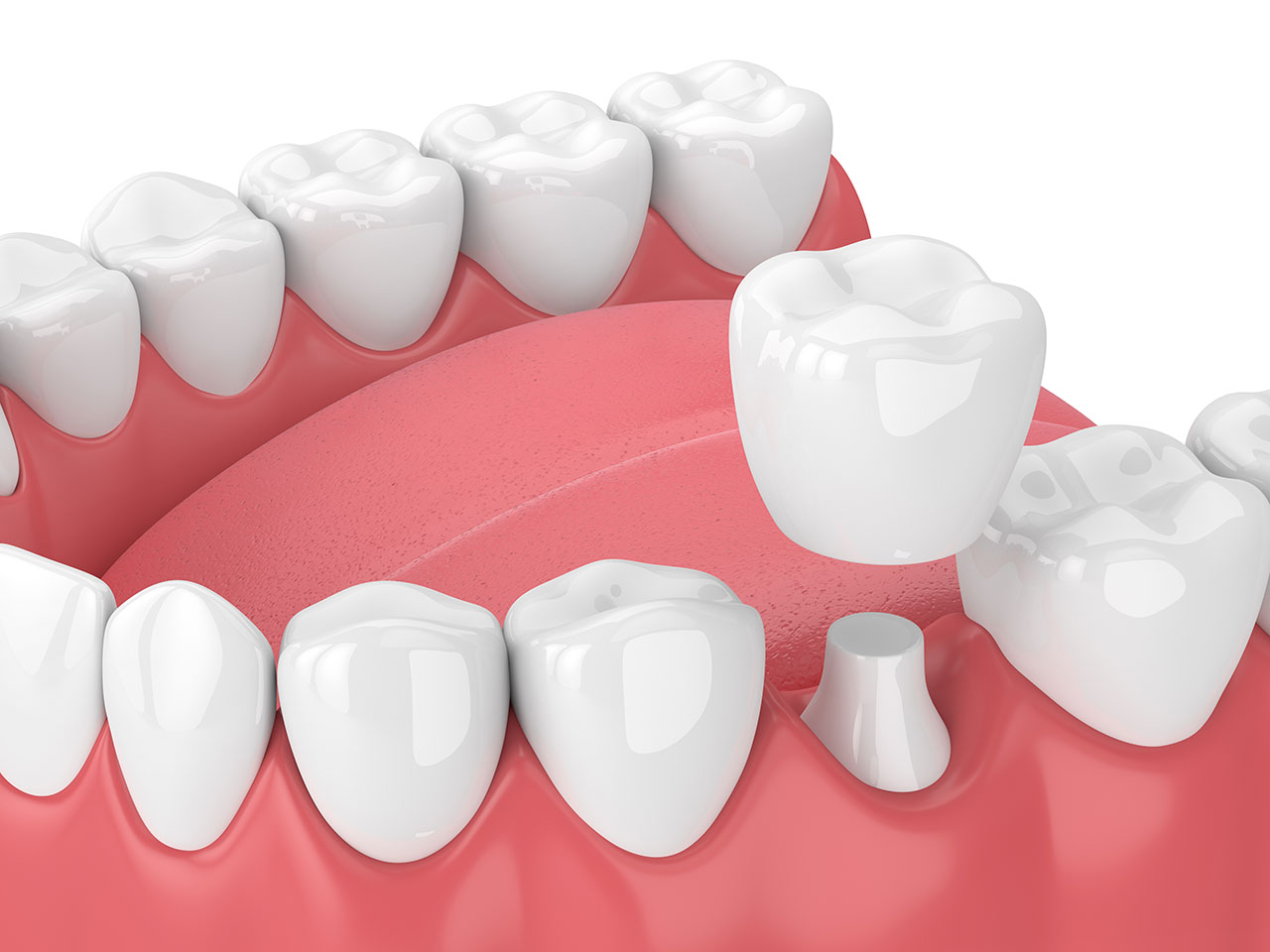
A crown covers the entire tooth above the gumline. It restores strength, shape, and appearance when a tooth is heavily damaged or has had a root canal. Crowns are made from materials like porcelain, zirconia, or porcelain fused to metal, and they’re designed to blend in with your smile while withstanding chewing forces.
What Is An Onlay?
An onlay restores only the damaged portion—often one or more chewing cusps—without encasing the whole tooth. Because it preserves healthy enamel and dentin, it’s a conservative choice when the rest of the tooth is sound. Onlays can be crafted from durable porcelain or composite and bonded seamlessly for a natural look.
When A Crown Is The Better Choice
- The tooth is cracked in multiple directions
- There’s extensive decay under an old filling
- After root canal therapy, when extra coverage prevents fractures
- The remaining walls are too thin to hold an onlay securely
When An Onlay Shines
- One or two cusps broke but the core is strong
- You want to conserve tooth structure
- There’s moderate damage that exceeds a simple filling, yet doesn’t require full coverage
Comfort, Steps, And Timeline
Both crowns and onlays usually take two visits. First, we remove decay or old material, shape the area, and take a digital scan or impression. Then you’ll wear a temporary restoration while your custom piece is fabricated. At the second visit, we bond it into place, fine-tune the bite, and polish the margins for comfort.
Strength, Longevity, And Maintenance
High-quality materials and modern bonding make both options reliable. With daily care and routine checkups, crowns and onlays often last many years. As with any restoration, avoid chewing ice or non-food items, and consider a night guard if you clench to reduce stress on the ceramic.
Cost Considerations
Onlays may be slightly less expensive than crowns because they use less material and preserve tooth structure; however, actual fees depend on size, material, and insurance benefits. Either way, investing in the right coverage now can help you avoid fractures that lead to more complex treatment later.
How We Help You Decide
At our Coral Springs practice, we evaluate cracks, remaining wall thickness, bite forces, and your long-term goals. Sometimes we even show you images on-screen so you can see exactly what we see. Together, we’ll choose the most conservative option that still provides lasting protection.
The Bottom Line
Crowns and onlays both have an important place in restorative dentistry. The “best” choice is the one that secures your tooth today while safeguarding your future smile.
Ready For Tooth-Saving Advice In Coral Springs?
If you’ve been told you need a crown, a second look may reveal that an onlay could work—or vice versa. Pine Ridge Dental on Wiles will guide you clearly and conservatively. Call (954) 906-3337 to schedule a consultation and restore confidence in your bite.

Related Posts